Linking battery composition, microstructure, and performance
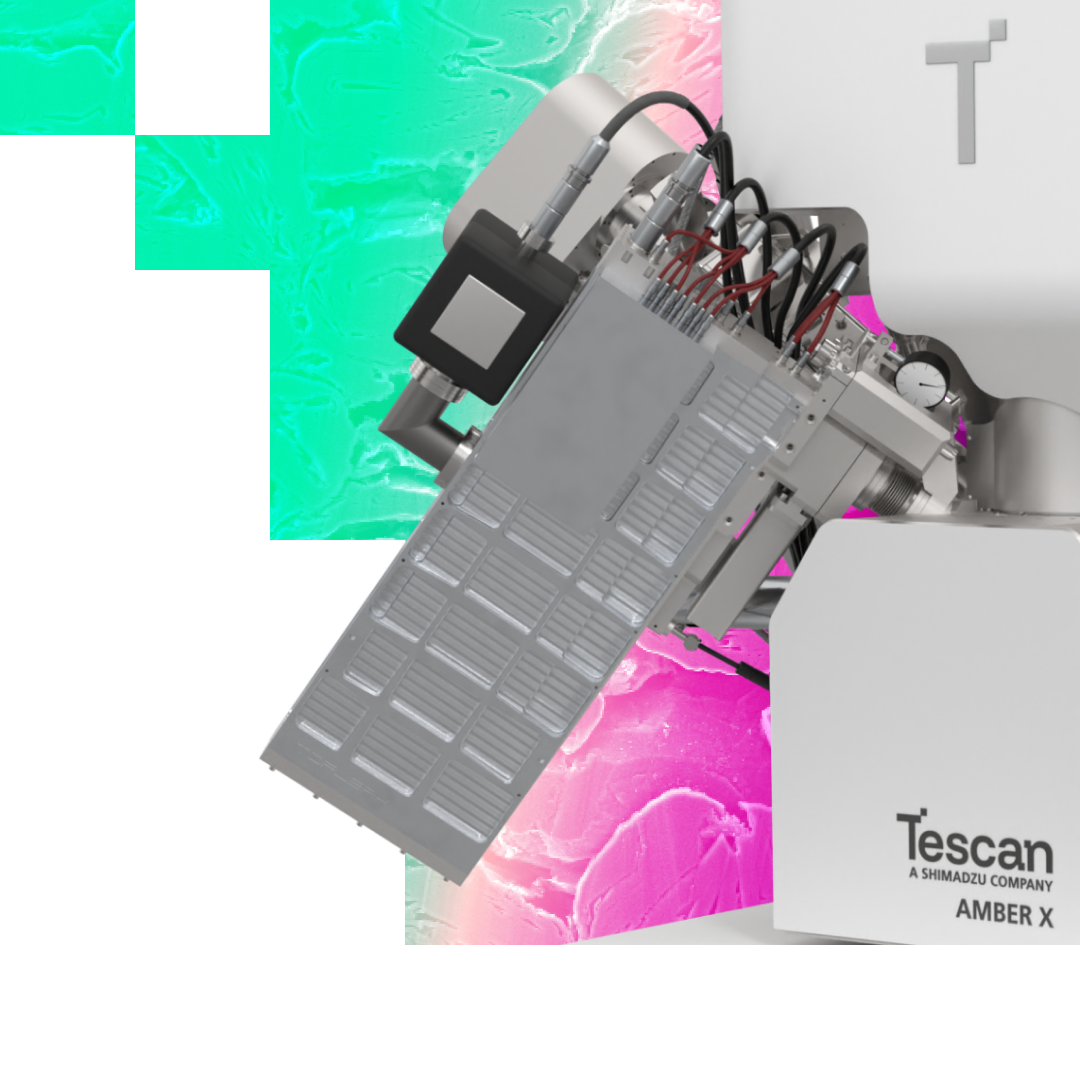
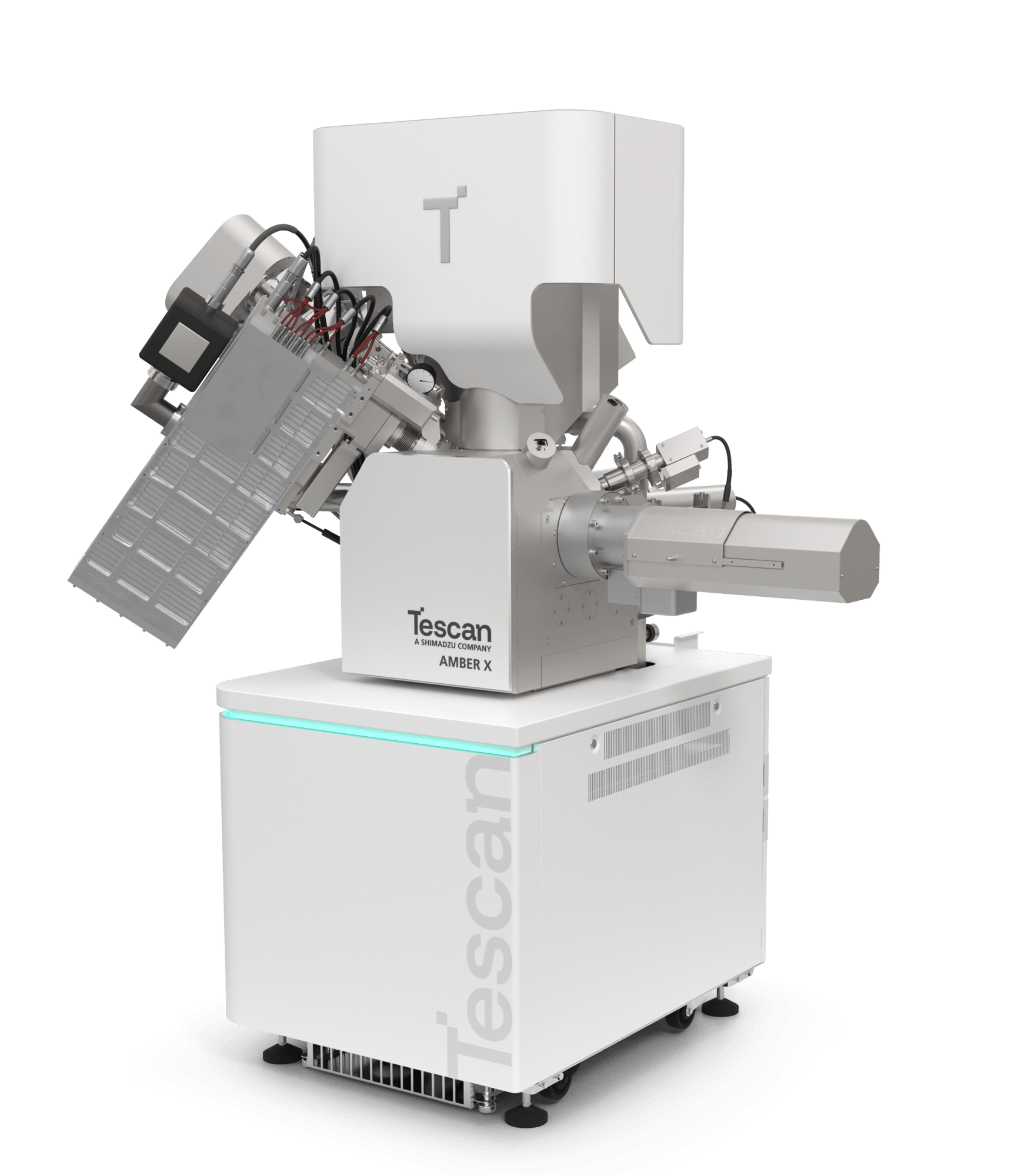
Advancing lithium-ion battery performance, lifespan, and safety relies on comprehensive structural and compositional information across multiple length scales, from electrode-scale architecture to subparticle-level features. To meet this challenge, Tescan’s secondary ion mass spectrometry (SIMS) solution integrates an orthogonal Time-of-Flight SIMS (ToF-SIMS) analyzer directly into a FIB-SEM platform. By combining high-spatial-resolution, high-sensitivity lithium mapping with multimodal characterization workflows, the solution accelerates advanced battery research, quality assurance, and failure analysis across conventional and next-generation materials.
Surface and subsurface analysis from electrode to particle scale
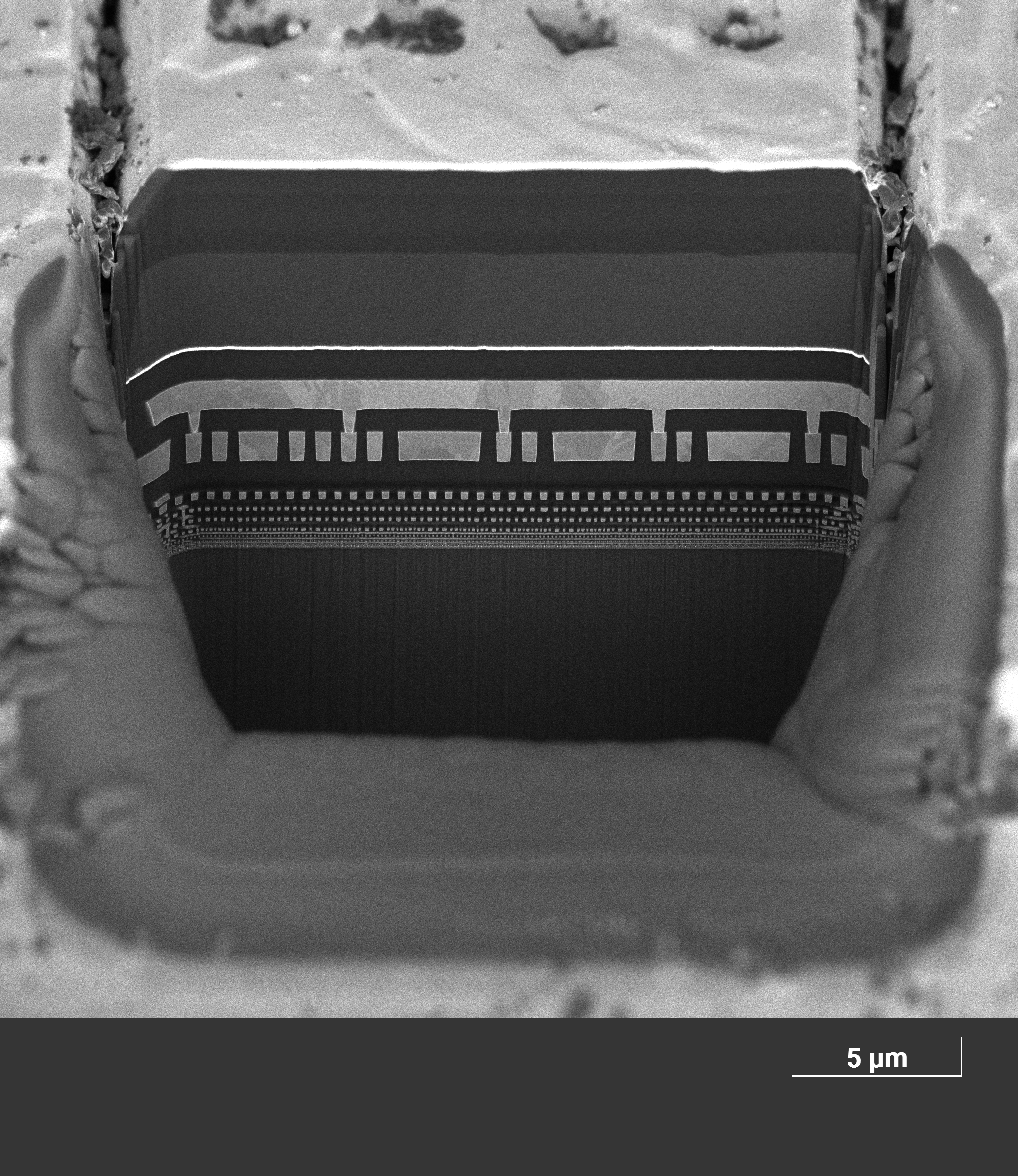
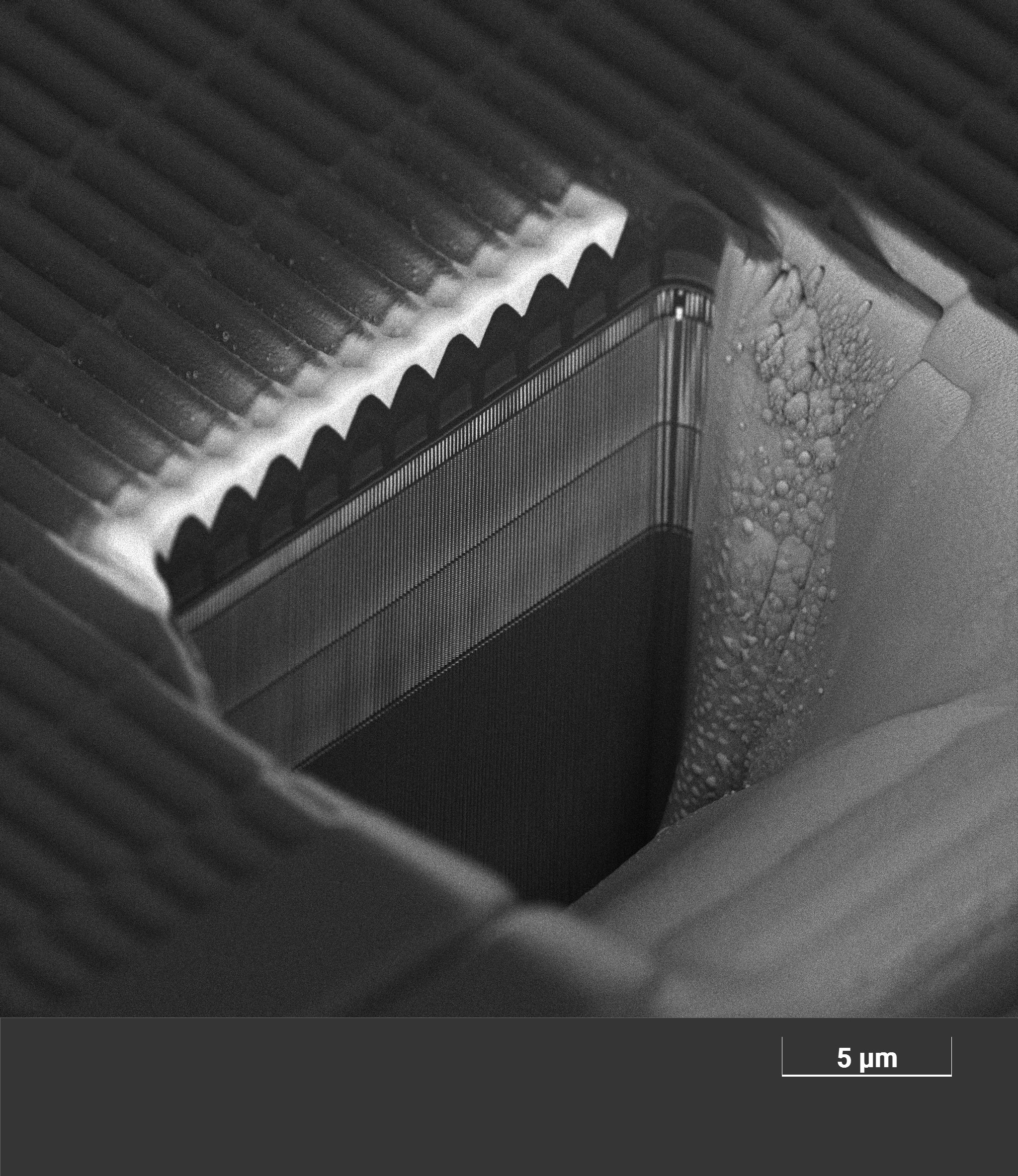
For lithium-ion battery research, revealing structures beyond the surface is essential. Integrating high-throughput Xe Plasma FIB technology with Tescan AMBER X™ 2 enables multimodal, large-area cross-sectional analysis and large-volume 3D tomography, providing efficient access to electrode-scale structures while retaining the resolution needed to resolve individual particles, pores, interfaces, and other micro- and nanostructural features.
Comprehensive insights into battery materials and interfaces
Comprehensive insights into electrode microstructure and chemistry, lithium distribution, interfacial reactions, contaminants, and degradation mechanisms require a correlative characterization approach combining complementary analytical methods. Beyond ToF-SIMS, integrated EDS, EBSD, Raman spectroscopy, and scanning probe microscopy (SPM) extend FIB-SEM characterization with complementary structural, chemical, crystallographic, and physical information across battery materials.