What does it take to run a core facility that works for its users?
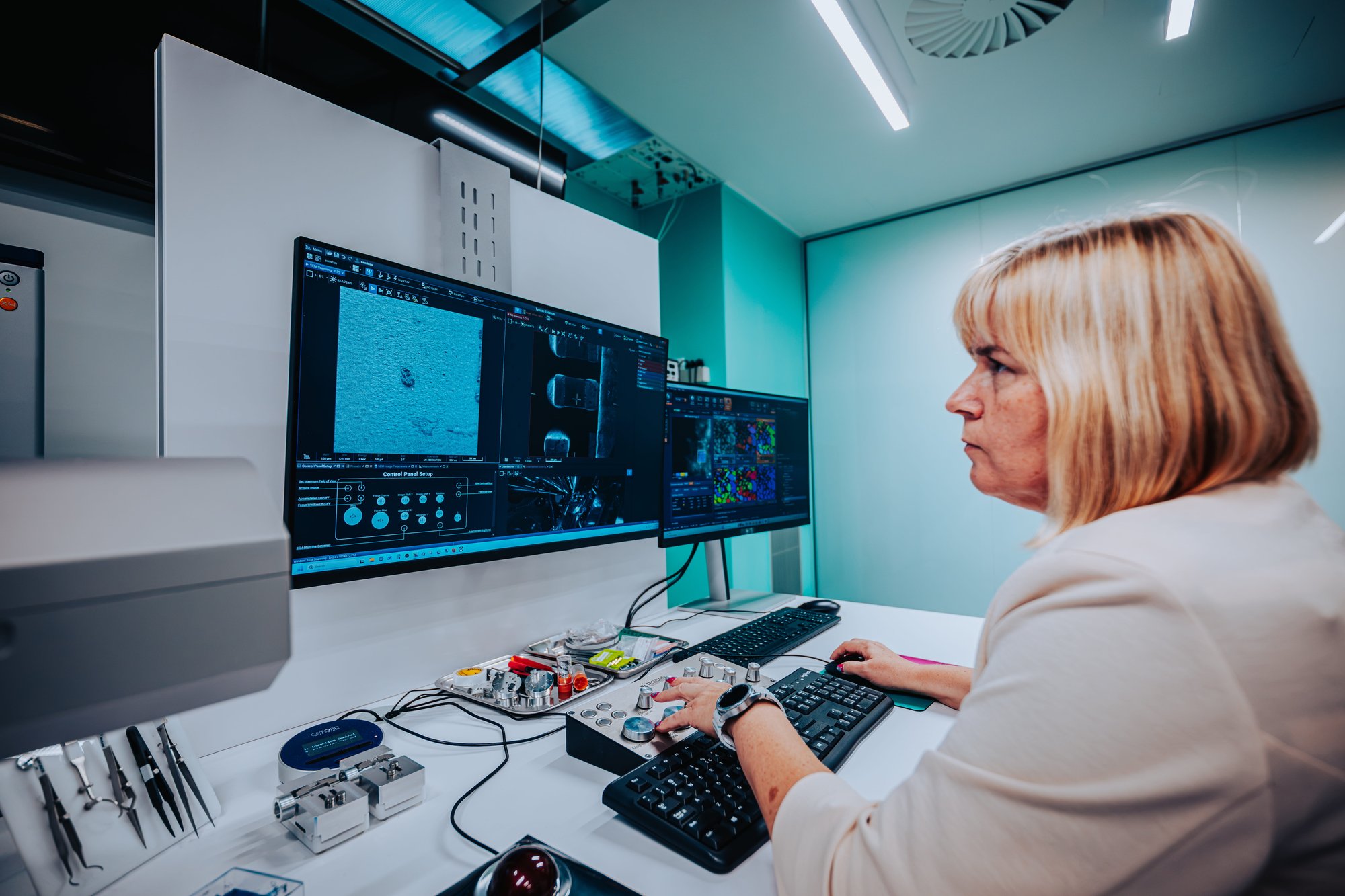
A modern core facility is much more than a collection of advanced instruments. It needs to serve researchers with very different samples, experience levels, scientific questions, and expectations, while making complex technology accessible and keeping the facility ready for what research will require next.
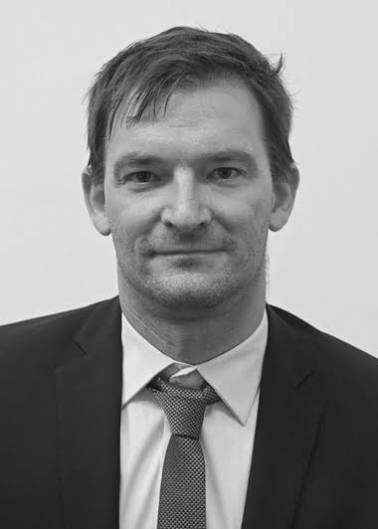
In this webinar, Michal Urbánek, Head of CEITEC Nano Research Infrastructure within Brno University of Technology, will take us behind the scenes of this open-access facility and share how it works in practice.
CEITEC Nano provides open access to state-of-the-art facilities for nanofabrication, nanocharacterization, structural analysis, and X-ray tomography, enabling the complete fabrication and comprehensive characterization of nanostructures and nanodevices in a clean environment.
Rather than focusing only on instrumentation, the discussion will look at the practical decisions behind running the facility: how users access advanced technologies, how they are trained and supported, how diverse research requirements are addressed, and how the team decides which capabilities to add next.
And there is hardly a more fitting place for this conversation than Brno. The city is one of the world's major electron microscopy hubs, with approximately one third of the world's electron microscopes produced there and a long-standing ecosystem connecting instrument manufacturers, universities and research institutes.
From research need to the right technology
One example will be the facility's recent addition of the Tescan AMBER X 2 plasma FIB-SEM, equipped with a Tescan MISTRAL plasma FIB column and high-resolution ToF-SIMS.
But the interesting part of the story is not simply what instrument they have. It is why they chose it.
That makes this webinar an opportunity to hear how a core facility approaches the questions many research infrastructures eventually face:
-
How do you serve both experienced researchers and new users?
-
When does self-service make sense, and when is a measurement-as-a-service model more appropriate?
-
How do you balance instrument utilization, user training and expert support?
-
How do real research problems influence decisions about new instrumentation?
-
How do you expand capabilities without simply duplicating what is already available?
-
And how do you build a facility that continues to respond to changing materials research?
At CEITEC Nano, most access operates through a self-service model following training, while service-based measurements are also available, particularly when users need a one-off analysis rather than extensive instrument training.
What attendees will learn?
-
Running an open-access core facility serving academic, research and commercial users
-
Managing different users and experience levels, from training to independent instrument access
-
Matching instrumentation to real research needs rather than building capability around technology alone
-
Deciding when and why to expand a facility's analytical capabilities
-
Integrating FIB-SEM into broader materials characterization workflows
-
What CEITEC Nano has learned from operating advanced microscopy infrastructure in a highly active electron microscopy ecosystem
Who should attend?
-
Materials scientists using shared microscopy and characterization facilities
-
Core facility managers and laboratory managers
-
Electron microscopy and FIB-SEM users
-
Researchers responsible for selecting or expanding characterization infrastructure
-
Scientists working across materials research, nanotechnology, batteries, metals, polymers and other advanced materials
-
Anyone interested in how a large multi-user research facility operates behind the scenes
Register for this hands-on webinar
Choose the session that works best for your region and join us live.