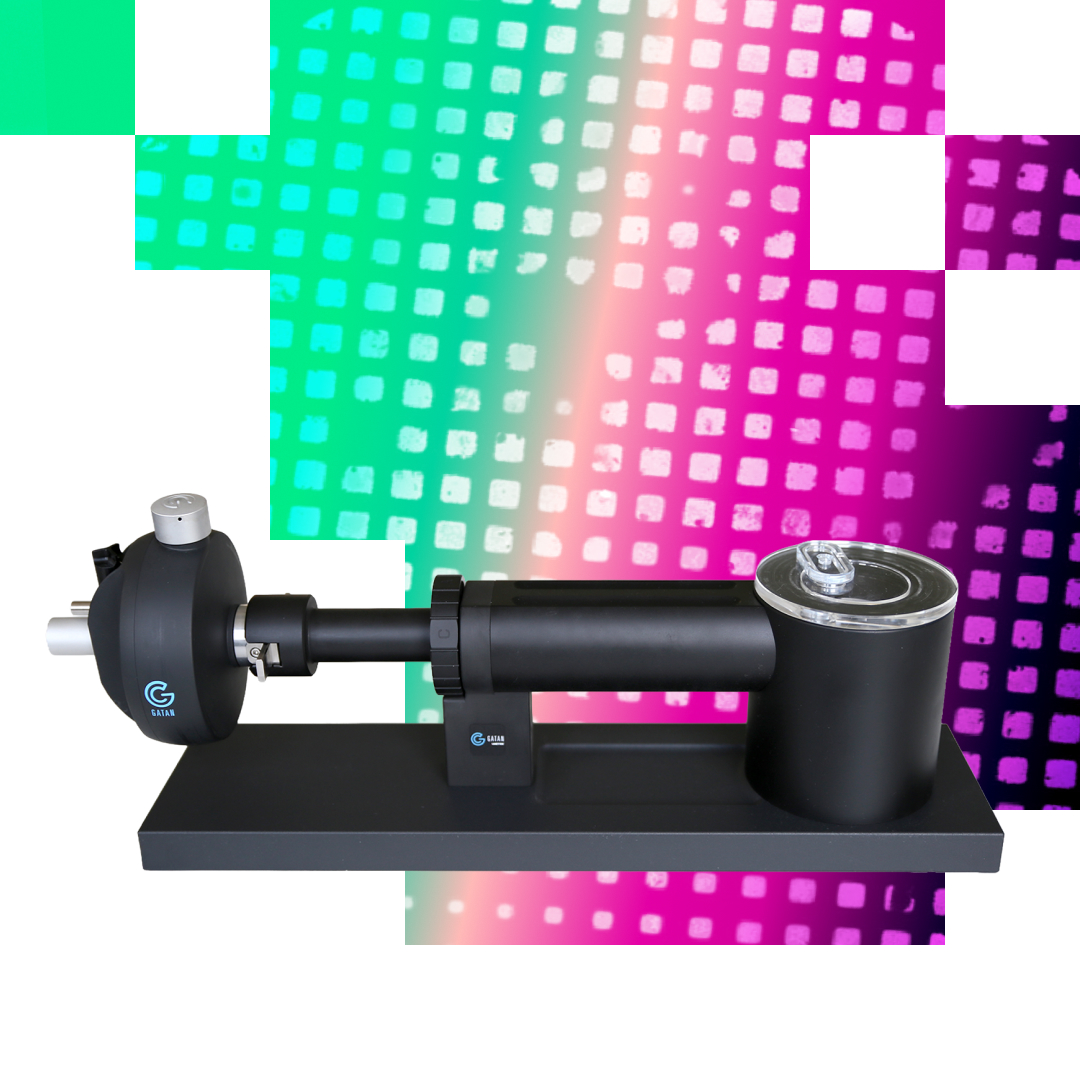
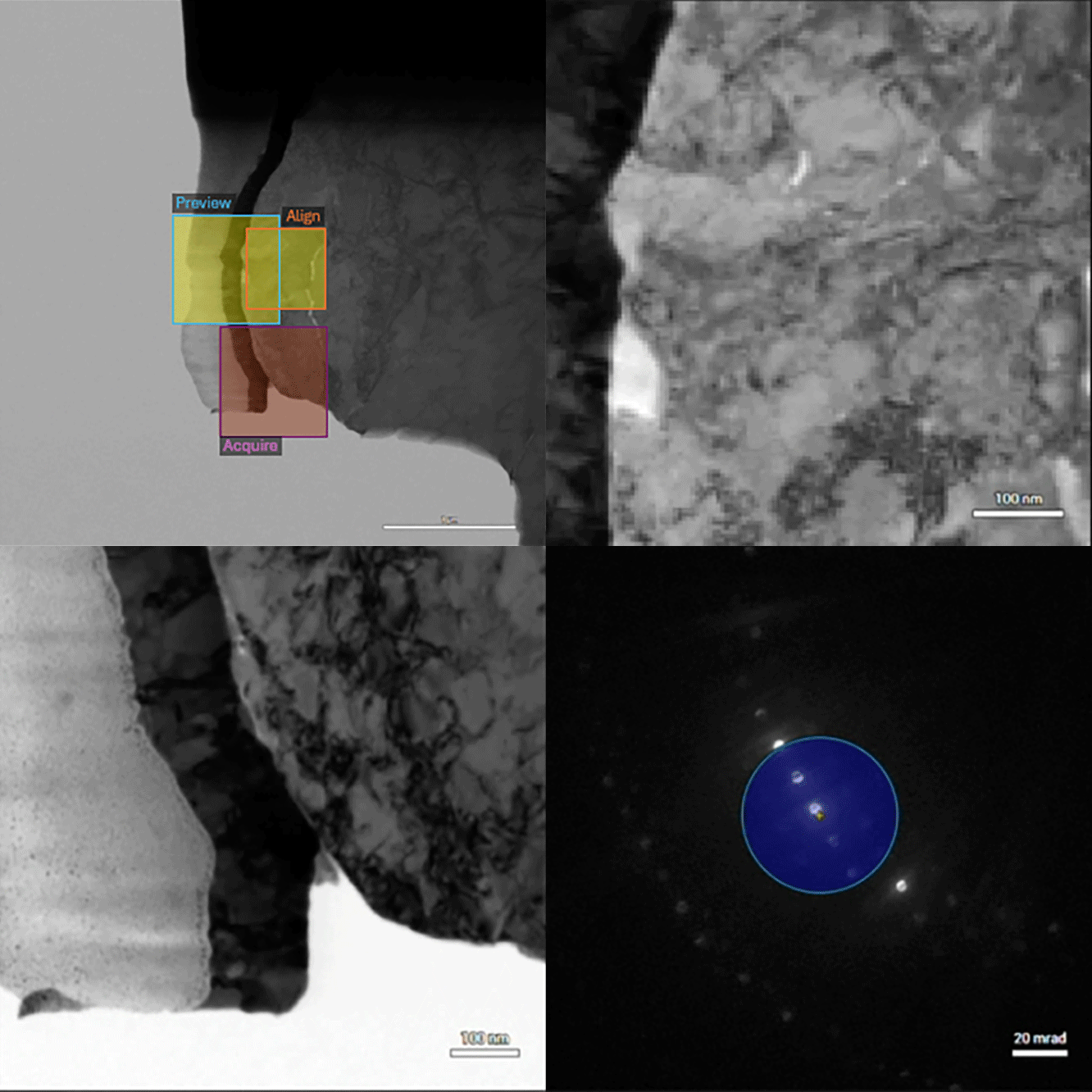
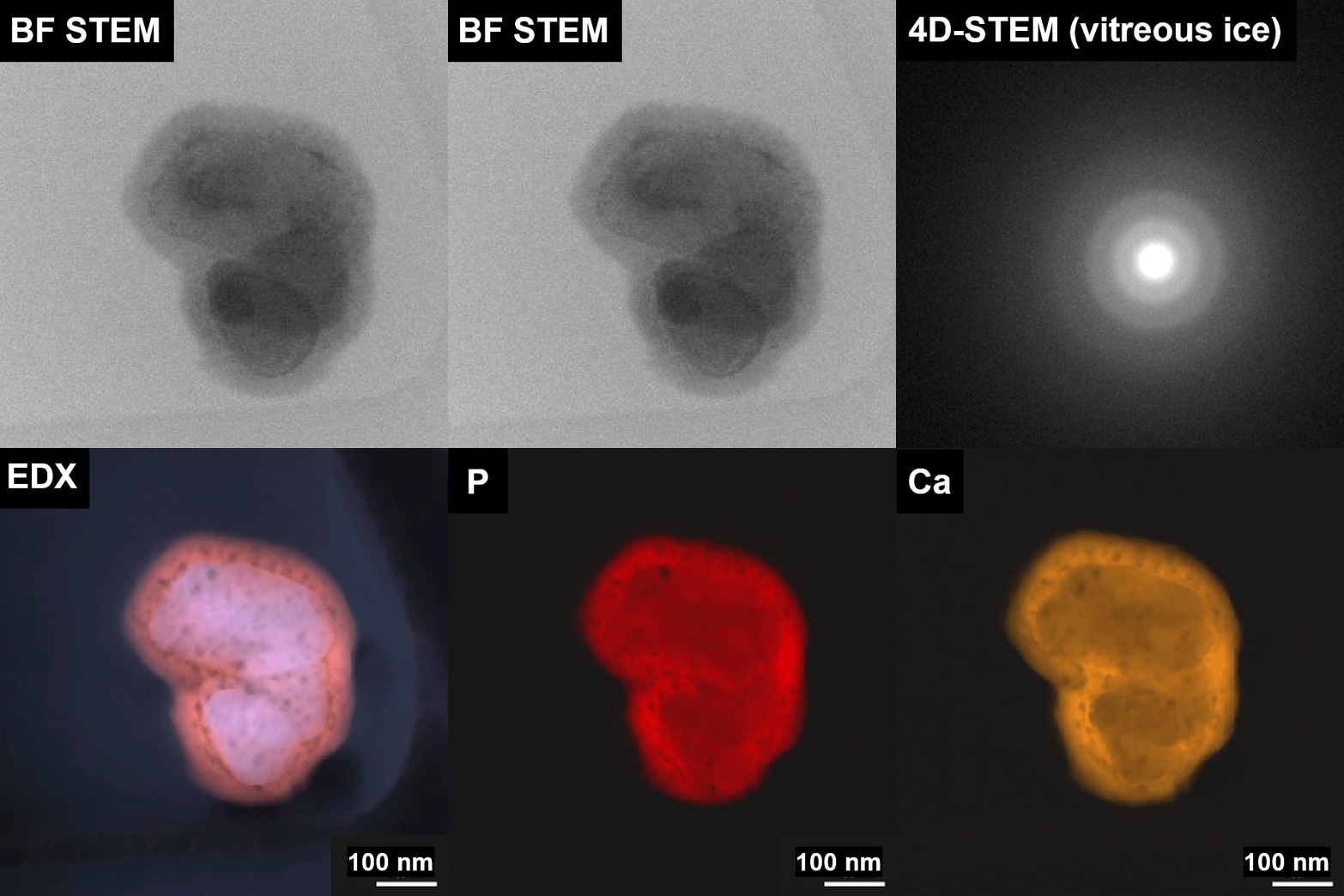
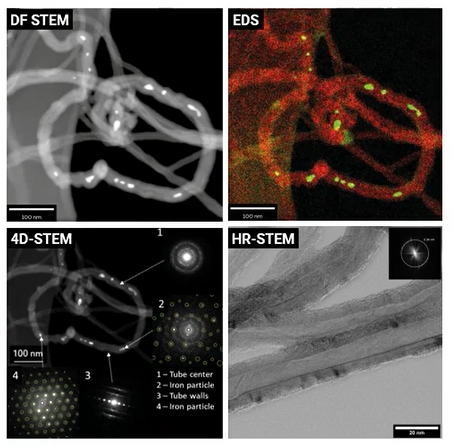
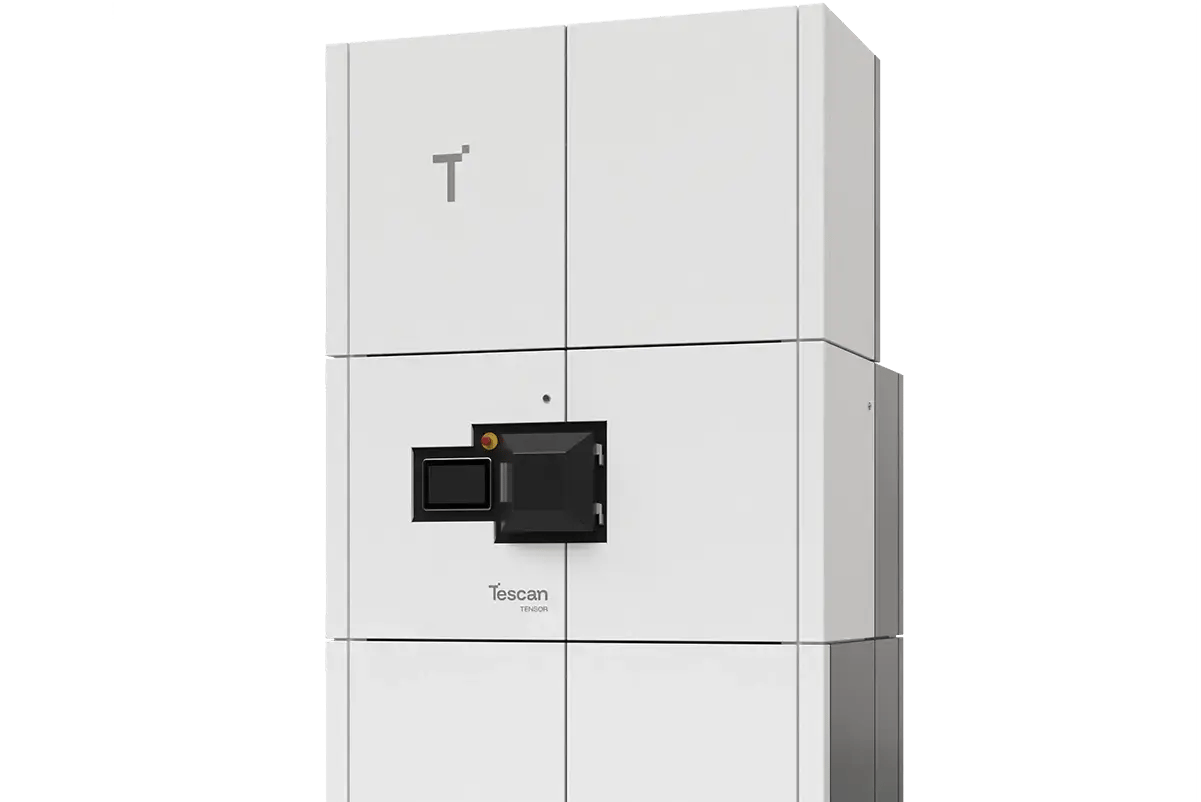
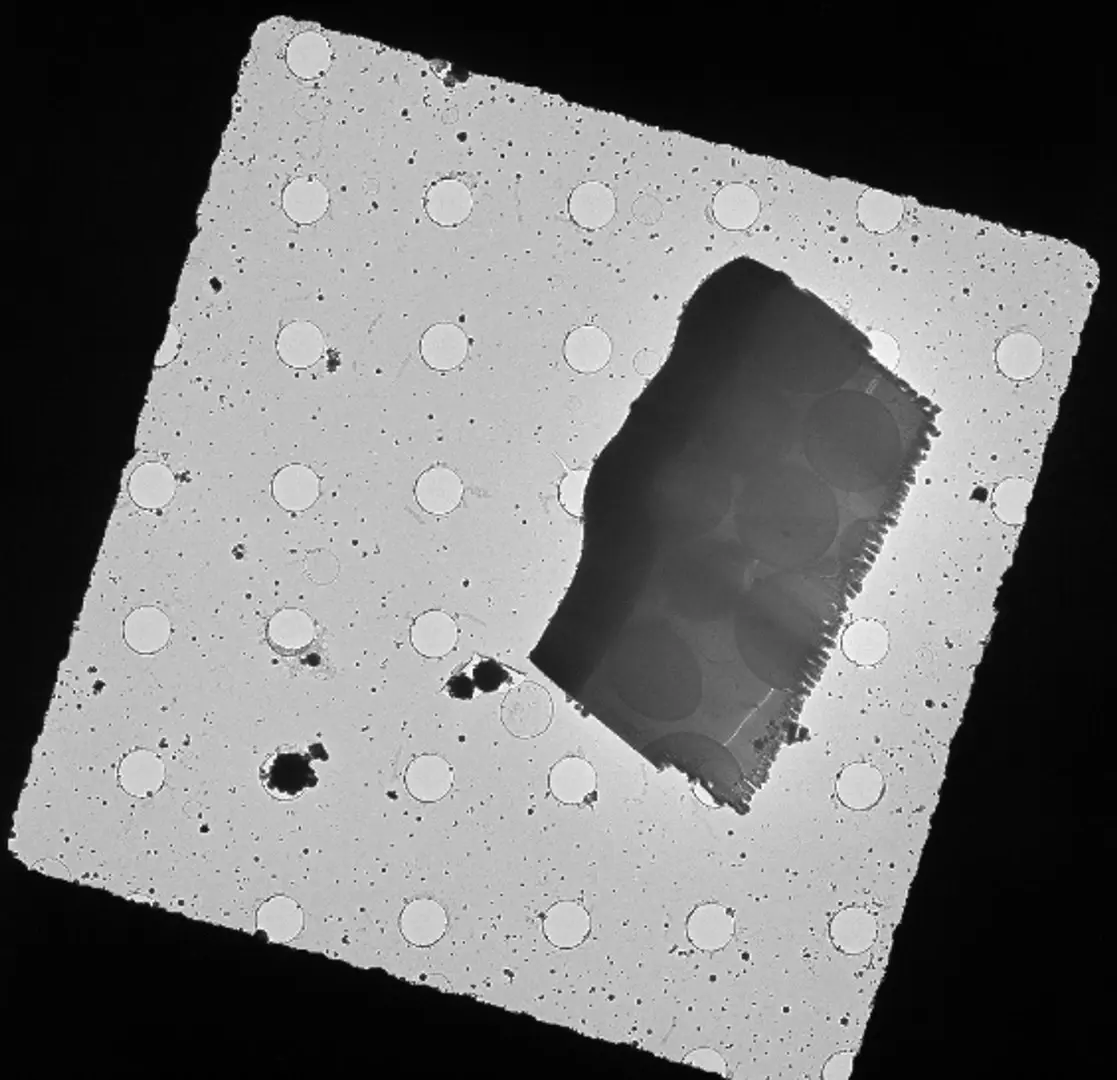
The Tescan TENSOR™ cryo-EM solution extends the unique and accessible analytical capabilities of TENSOR™ to cryo-STEM, cryo-EDS, cryo-3D ED, and cryo-4D STEM analysis of beam-sensitive materials by combining a cryo-transfer holder with low-dose procedures in Tescan Explore™ software.
Reduced Beam Damage for Advanced Materials Characterization
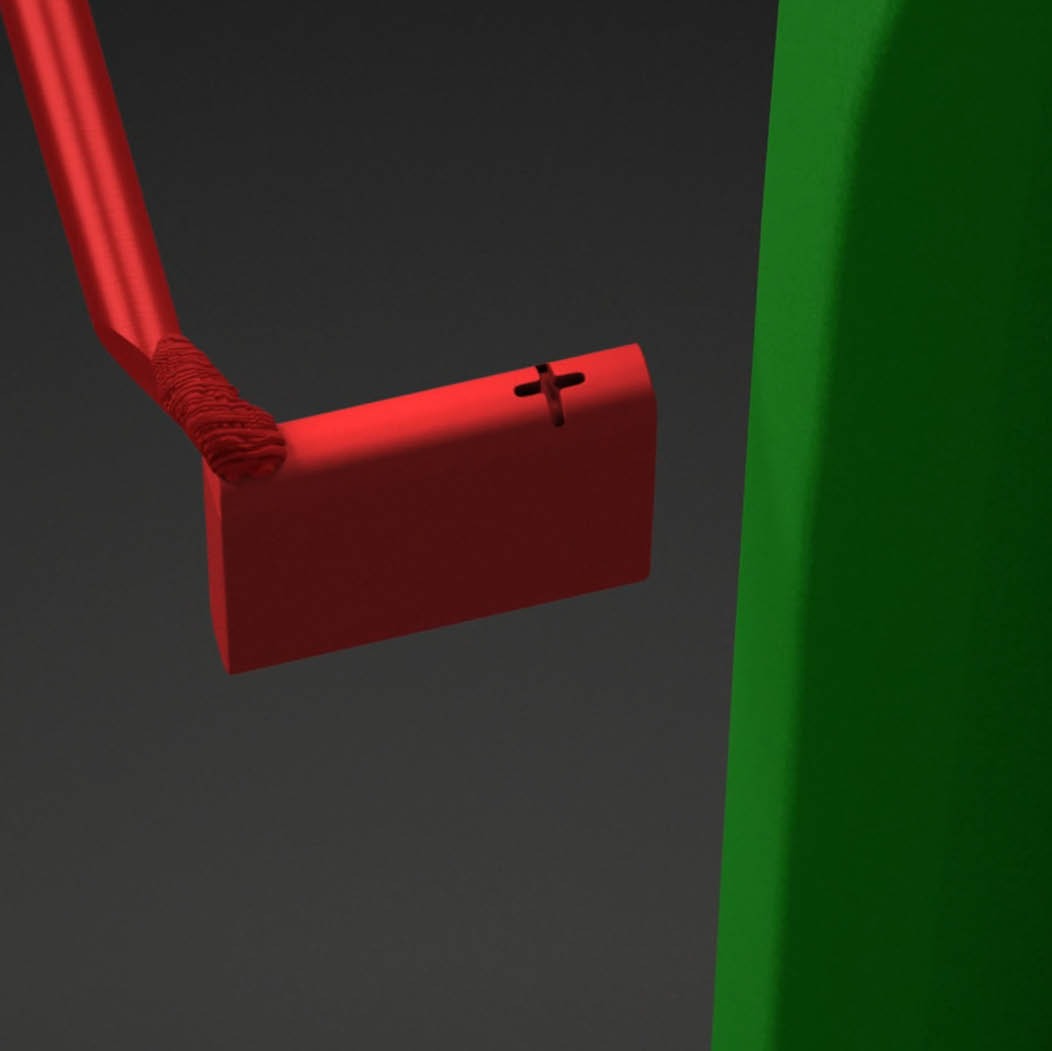
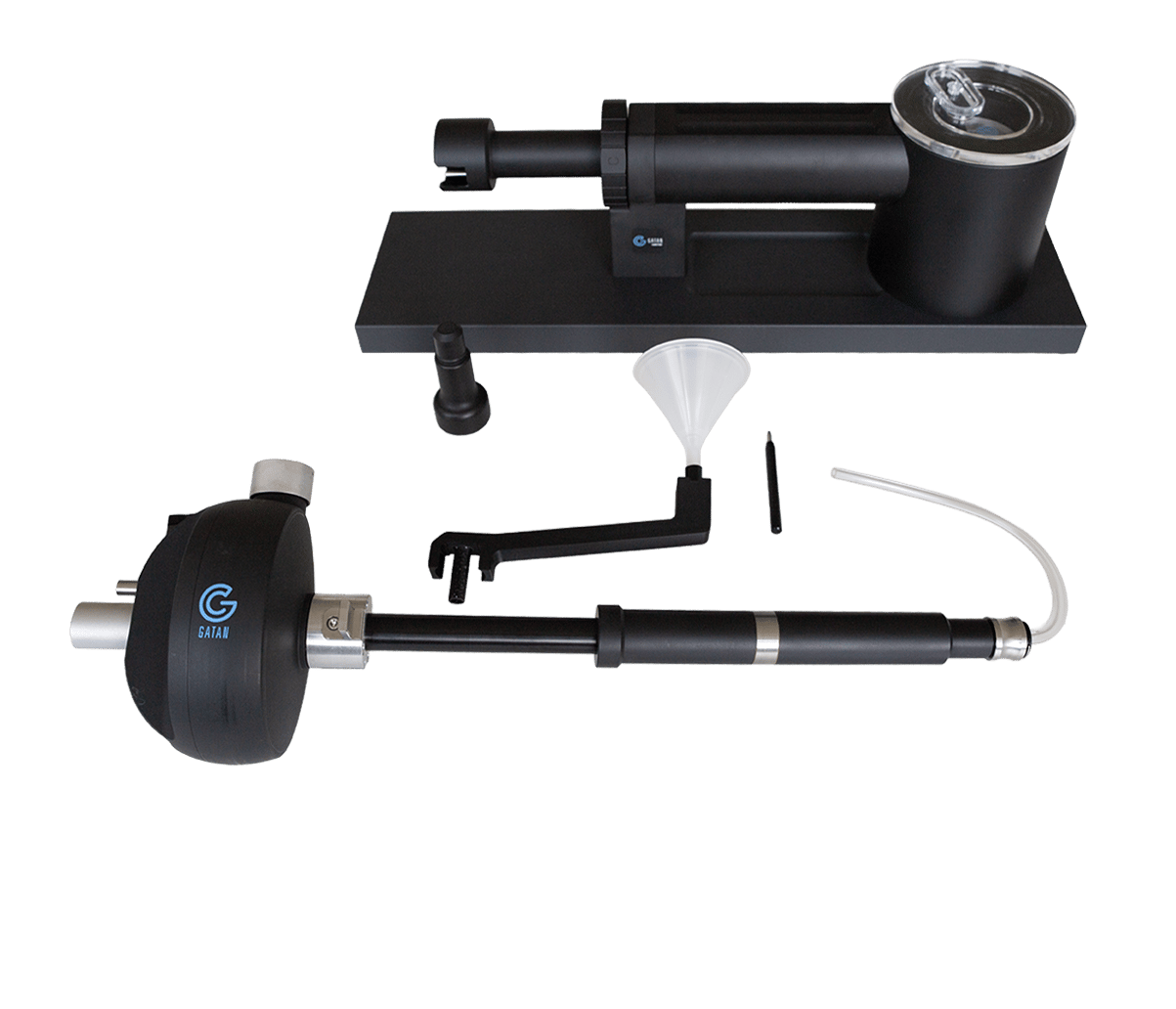
The single-tilt Gatan Elsa™ cryo-transfer holder, fully adapted for compatibility with Tescan TENSOR™, is designed for stable, high-resolution cryo imaging at liquid nitrogen temperature, with a hold time of more than 8 hours.
The cryo-transfer holder is part of the TENSOR™ cryo-EM solution, which combines cryogenic sample preservation with dedicated low-dose acquisition procedures implemented in Tescan Explore™ software and its measurement workflows. Cryogenic conditions help reduce beam-induced sample damage, while software-guided low-dose procedures further limit unnecessary beam exposure before data acquisition.
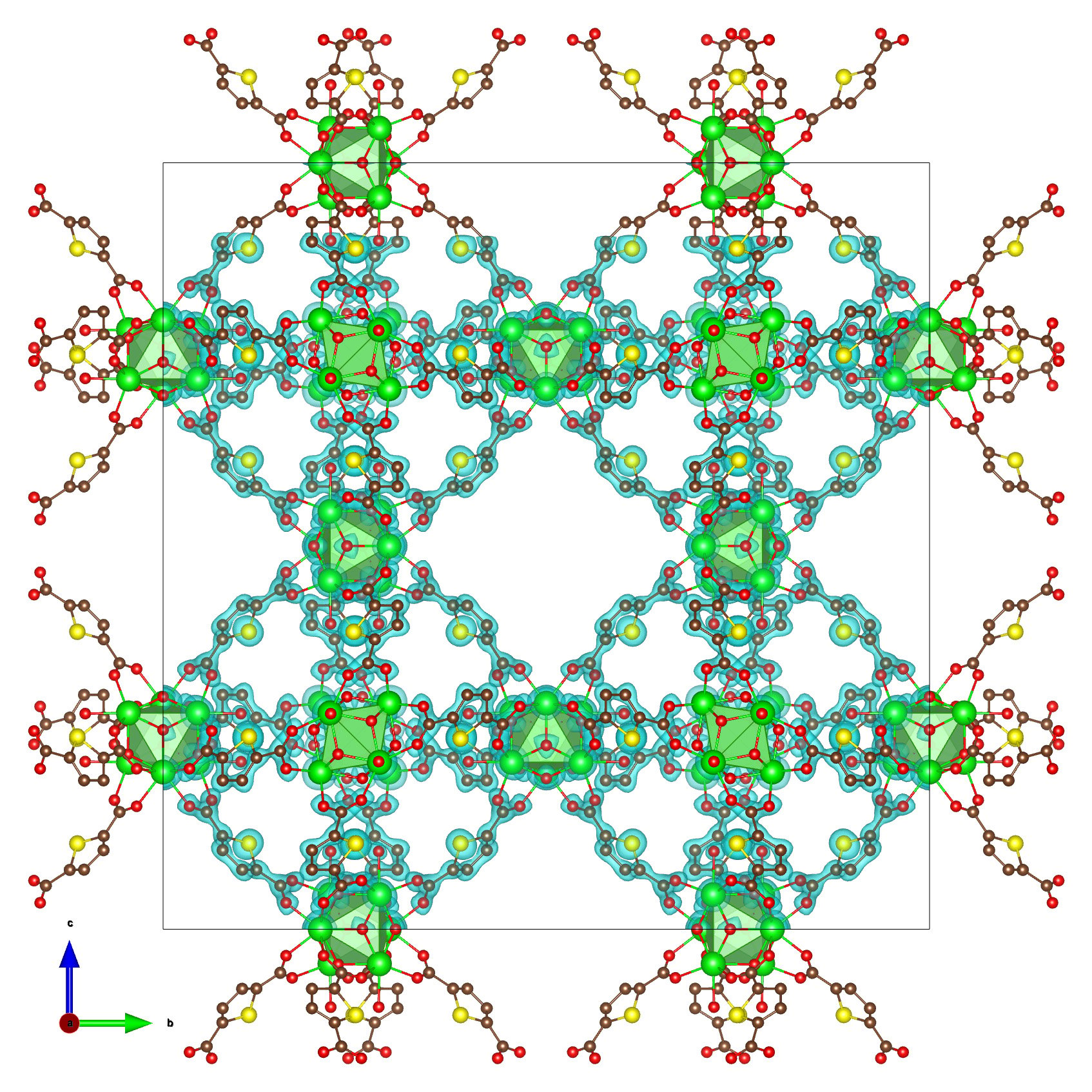
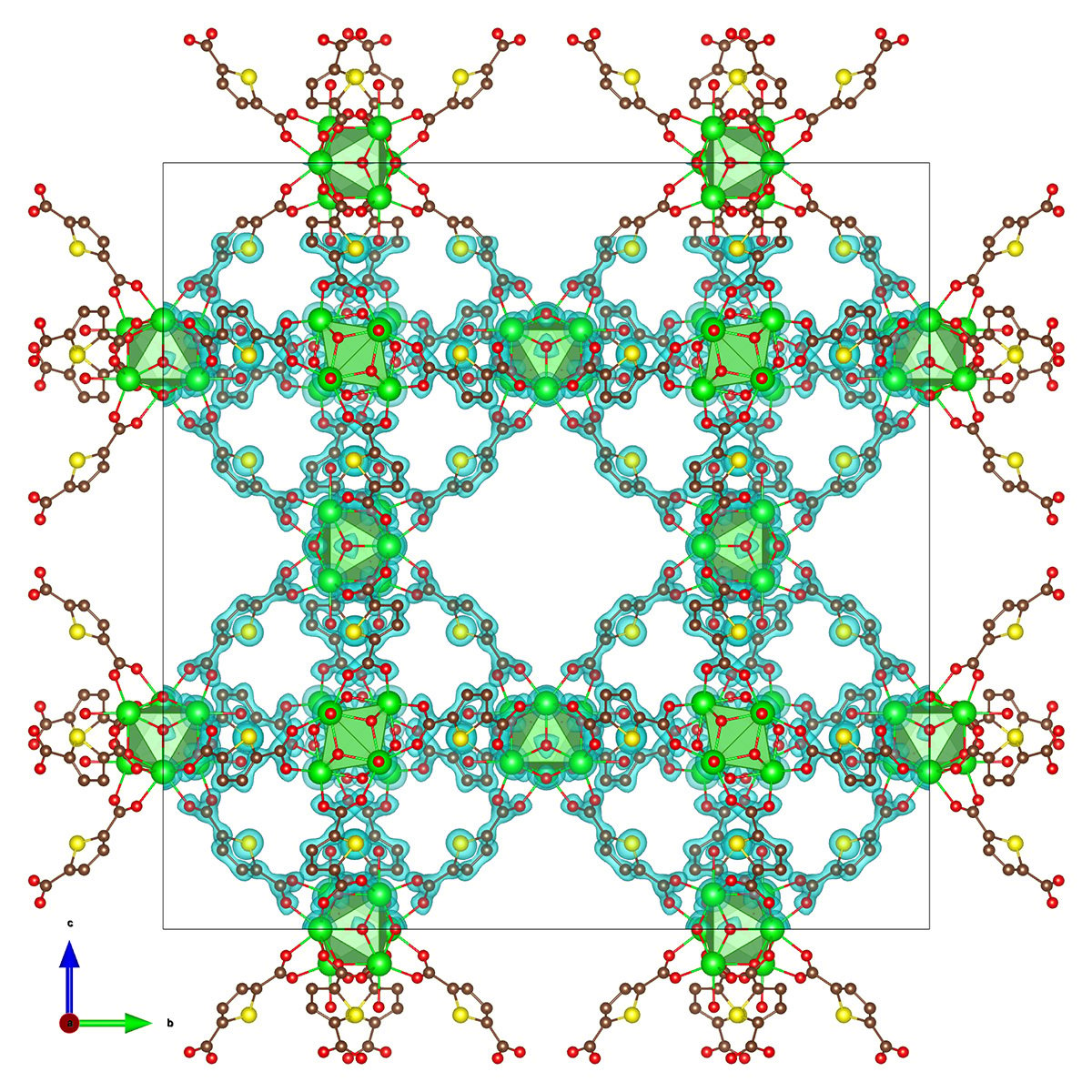
The Tescan TENSOR™ cryo-EM solution enables advanced characterization of beam-sensitive materials, including polymers, metal-organic frameworks (MOFs), covalent organic frameworks (COFs), energy functional materials, organic crystals, liposomes, and protein complexes, through analytical STEM and beam-precession-enhanced 4D-STEM.
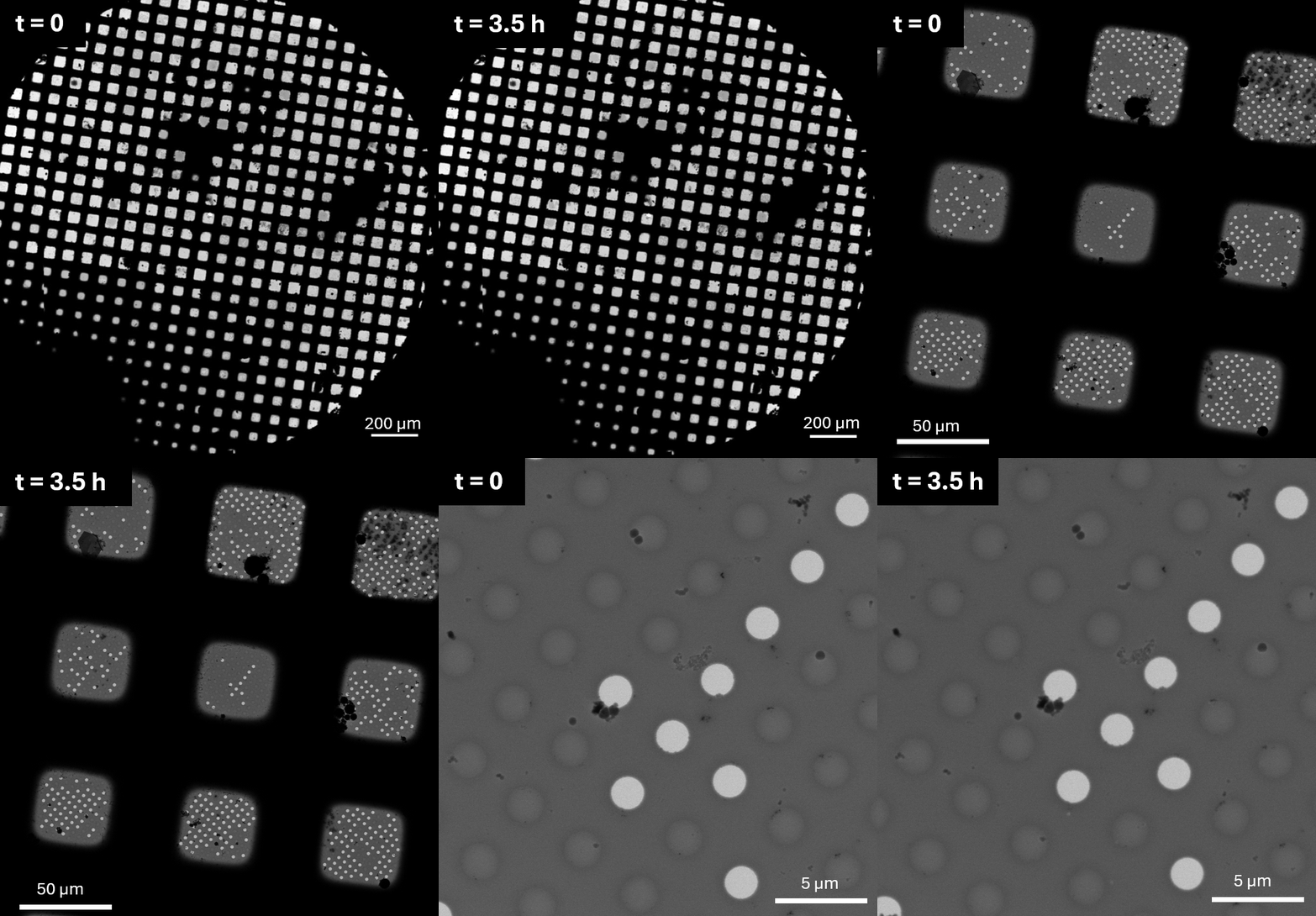
Long-Duration Cryo Analysis with Minimal Ice Contamination
TENSOR™ also minimizes sample contamination and ice growth during cryo-EM measurements through near-UHV column conditions. Achieved without liquid nitrogen cooling of the column, the near-UHV conditions support long-duration cryo experiments and enable cryo-EDS analysis.
In addition,TENSOR™ features a unique sample-loading mechanism that prevents liquid nitrogen spillover from the cryo-transfer holder dewar during insertion into the microscope, reducing safety-related risks and increasing the success rate of cryogenic sample transfer.
The low-dose Tescan TENSOR™ cryo-EM solution supports routine cryo-analysis across all TENSOR™ modalities, including cryo-STEM imaging, cryo-EDS mapping, cryo-4D STEM, phase-orientation mapping and strain analysis, as well as cryo-3D ED with beam precession for crystal structure determination (cryo-PEDT), making advanced analytical cryo-STEM workflows accessible to users of all experience levels.