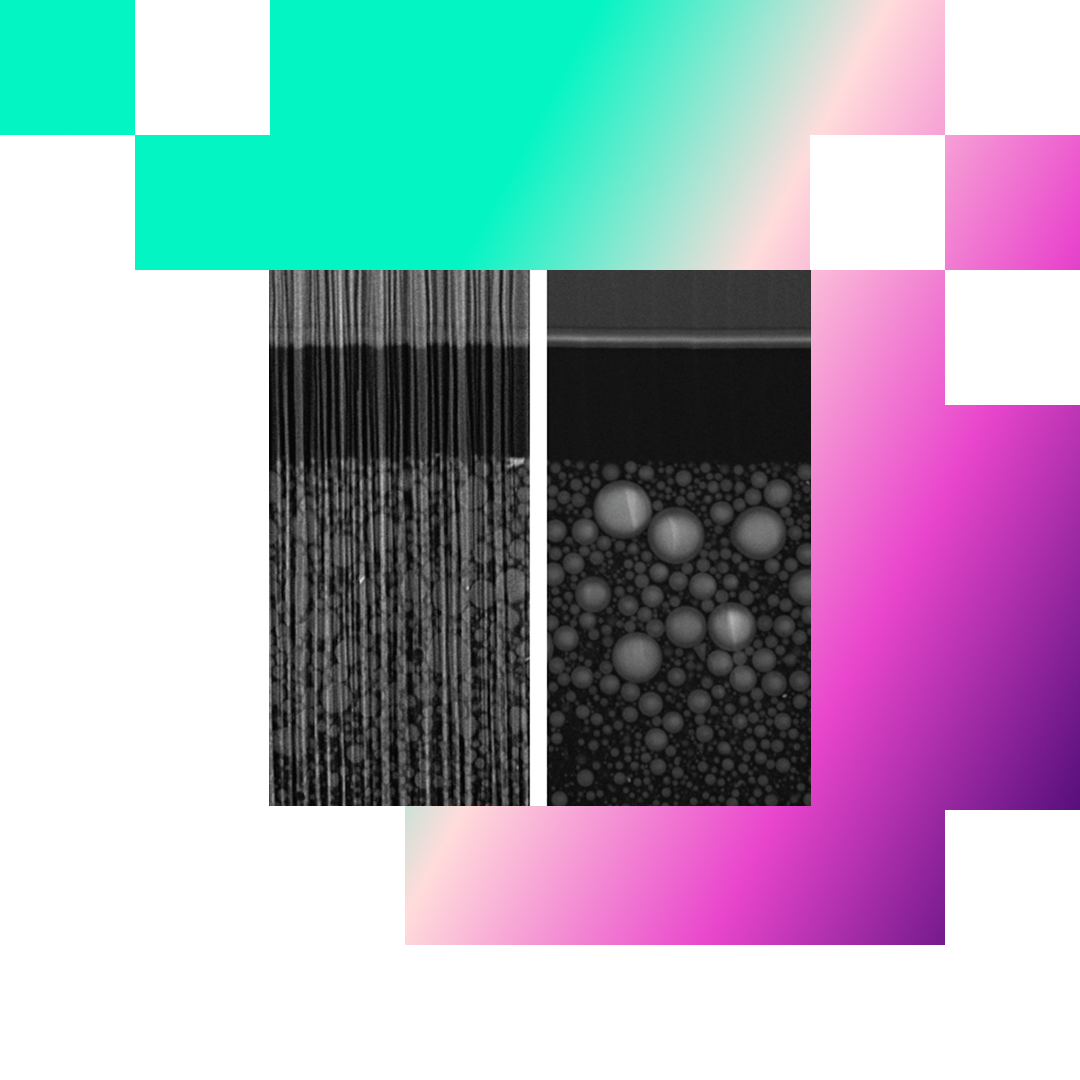
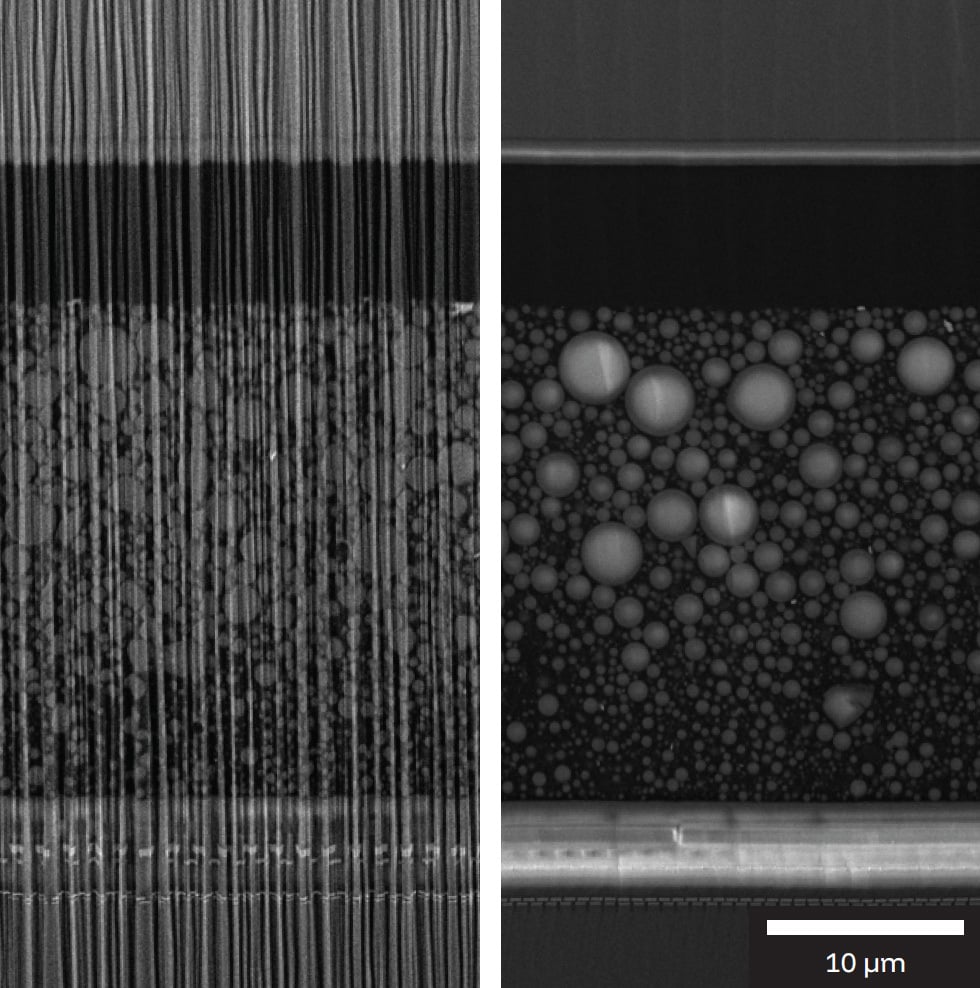
The High beam currents offer fast milling, but in multiphase or multimaterial samples, they create severe curtaining and surface scratches; reducing the FIB beam current removes the artifacts but slows cross-sectioning and 3D tomography by 5–10×.
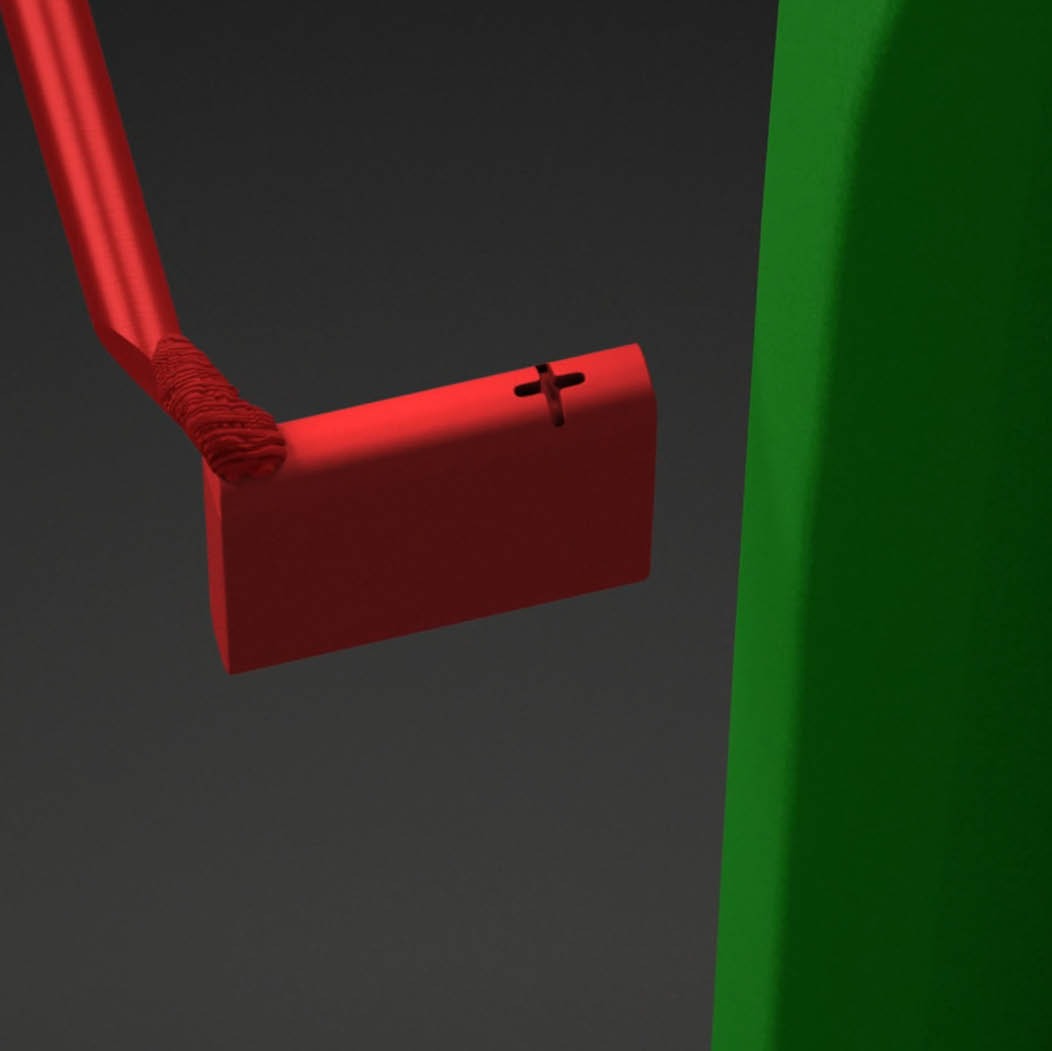
Tescan Rocking Stage solves this by enabling artifact-free FIB cross-sectioning and polishing at high beam currents, preserving speed while improving surface quality for failure analysis and advanced material characterization. By tilting the cross-section plane during milling, the Rocking Stage offsets curtaining caused by different sputtering rates, surface topography, and sample inhomogeneity.
At the same time, continuous SEM imaging provides live monitoring and precise end-pointing throughout the milling process. The design preserves full FIB-SEM versatility and is compatible with loadlocks, Beam Deceleration Mode (BDM), and the RSTEM detector, accommodating a variety of samples, including flat samples such as foils and rubber parts, as well as tall resin-embedded blocks.