WEBINAR | Up to 40% Faster Automated TEM Lamella Preparation with new Ga⁺ FIB Column

Multimodal 3D FIB-SEM with ToF-SIMS Reveals Lithium-Ion Battery Electrode Degradation

Correlative nanoscale analysis uncovers lithium distribution and chemical pathways that drive cathode performance loss.

hero
hero
Unlocked content

Why Lithium Distribution and Interface Chemistry Are Key to Understanding Cathode Degradation

Lithium-ion battery degradation often starts at the nanoscale, within electrode structures where traditional imaging falls short. This application note showcases how the integration of Tescan AMBER X 2 FIB-SEM and ToF-SIMS enables precise 3D structural and chemical mapping in a cycled electrode.


By combining structural and chemical insights in a single workflow, researchers gain unprecedented visibility into battery degradation mechanisms, paving the way for longer-lasting, safer batteries. 

Why Study Lithium Degradation

with Tescan?

01
Root of the Problem

Why Lithium Distribution and Chemical Mapping Are Essential for Understanding Cathode Degradation

Understanding battery degradation requires more than surface-level imaging; internal processes occur throughout the entire volume of the battery. Key failure mechanisms, like lithium depletion, phase changes, and chemical instability, occur at critical interfaces and within electrode volumes.

Traditional SEM and EDS techniques lack the sensitivity to detect lithium or identify subtle chemical changes, making them insufficient for analyzing LFP cathodes post-cycling.

02
Materials and Methods

A Correlative FIB-SEM and ToF-SIMS 3D Workflow for Nanoscale Cathode Characterization

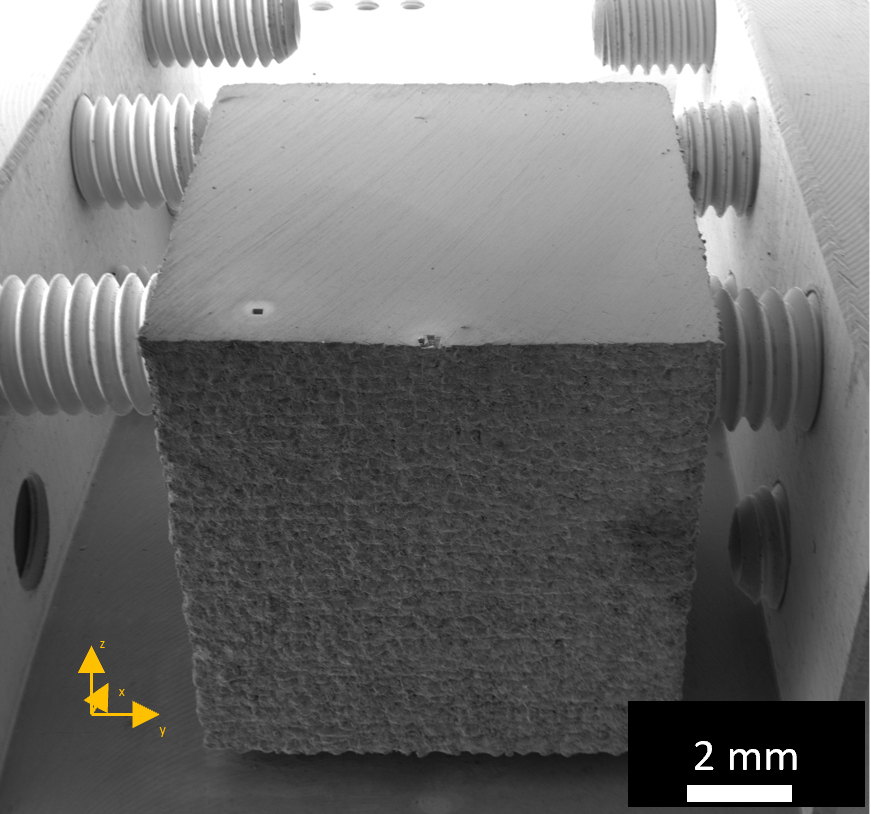
A cycled lithium iron phosphate (LFP) cathode was extracted from a commercial lithium-ion battery. Multimodal analysis was performed on a Tescan AMBER 2 FIB-SEM system, integrated with a TOFWERK orthogonal ToF-SIMS analyzer.

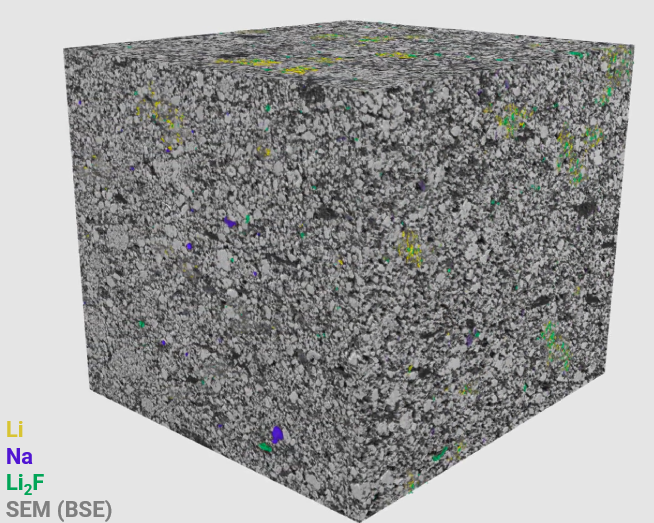
Automated serial sectioning and 3D data acquisition were controlled via the Tescan FIB-SEM Tomography module. Each layer was analyzed using BSE imaging for structure, ToF-SIMS for lithium and molecular species mapping, and EDS for elemental validation. The full dataset was reconstructed into a 3D model using Tescan 3D Viewer software. 

03
Results and Discussion

3D Insights into Lithium Depletion, Porosity, and Degradation Pathways in LFP Cathodes

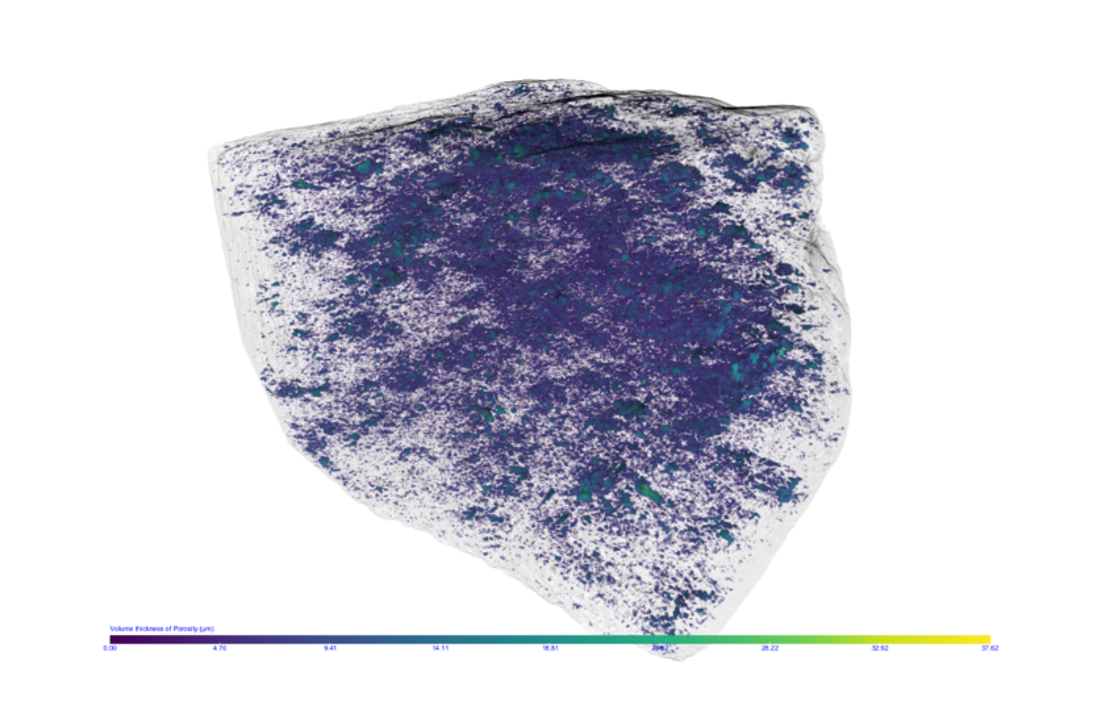
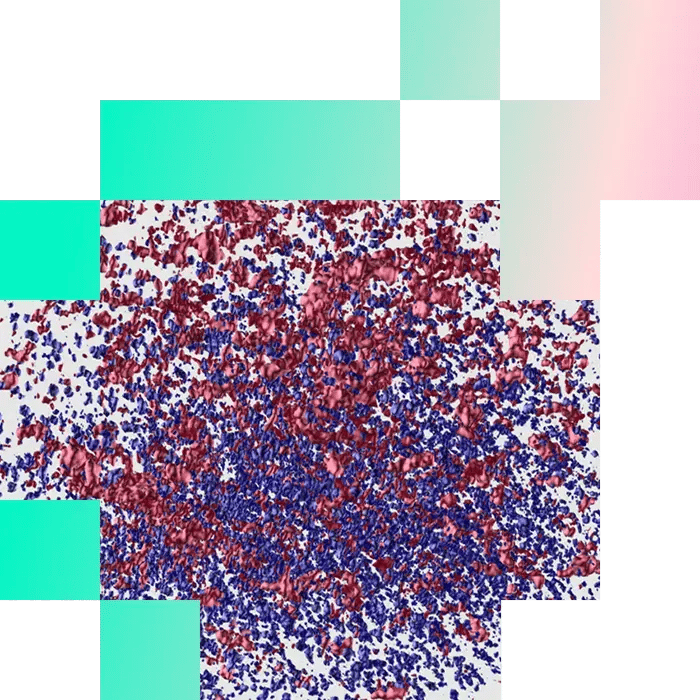
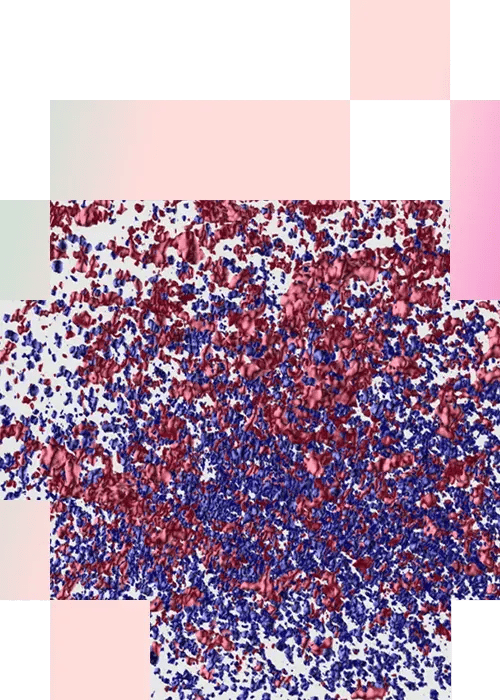
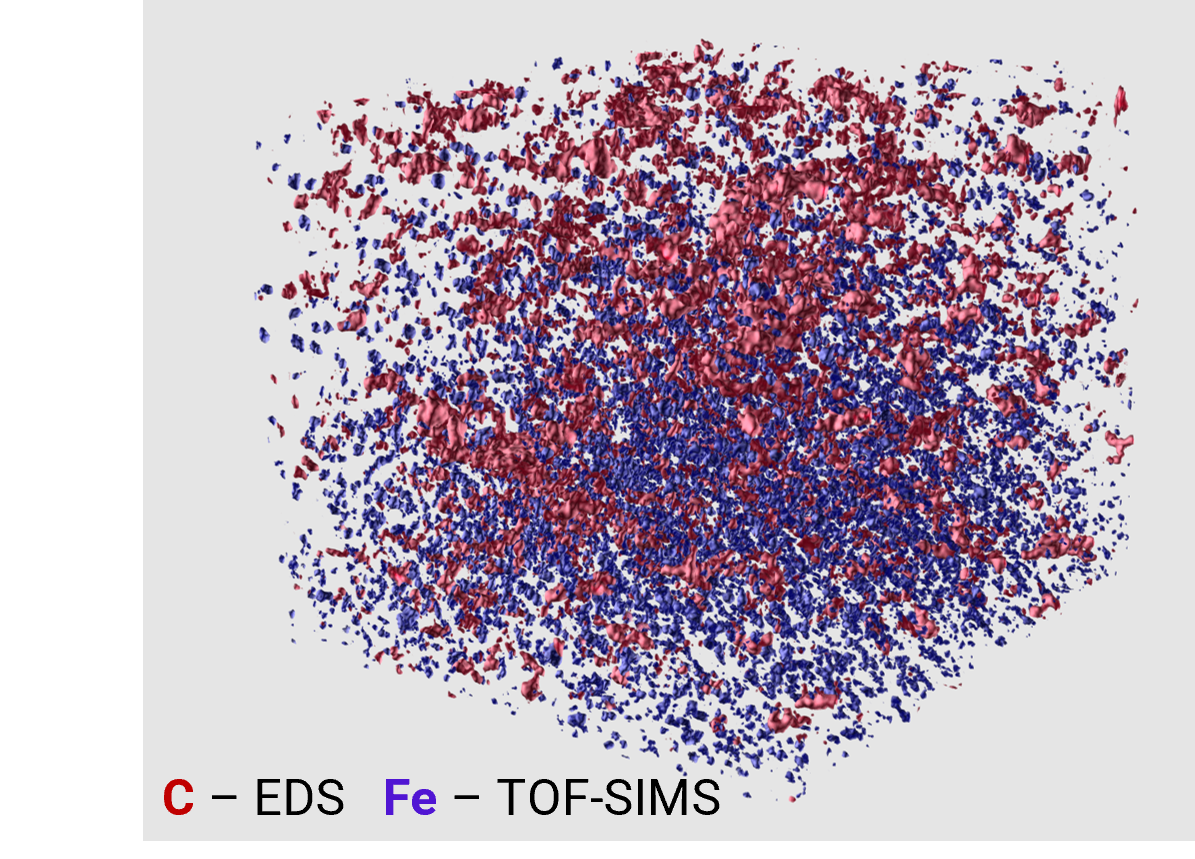
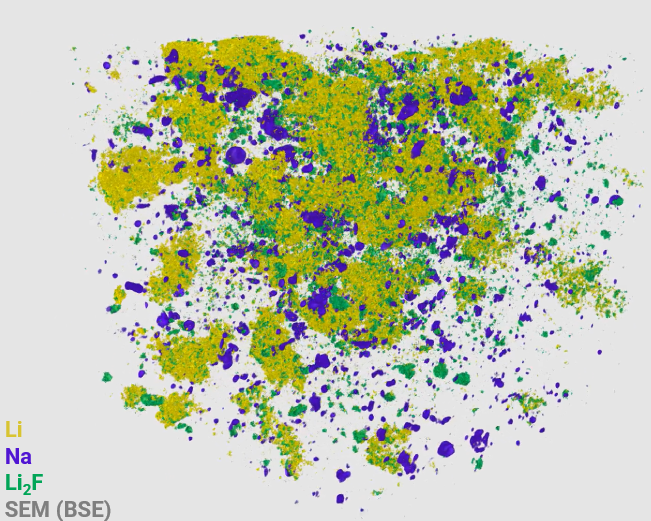
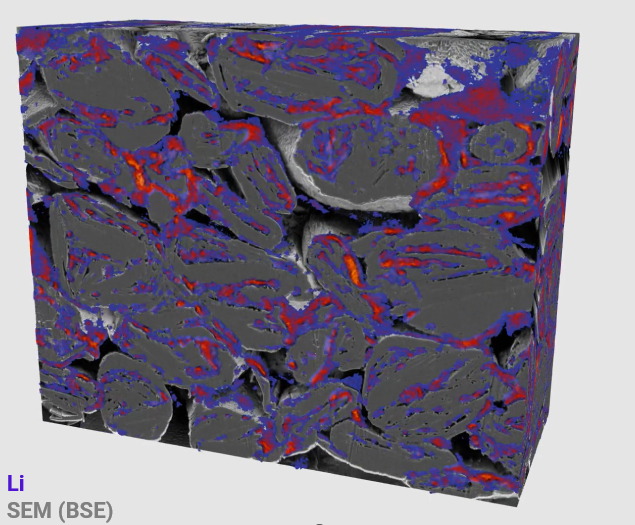
ToF-SIMS integration enabled clear visualization of lithium-ion distribution in three dimensions, revealing inhomogeneities and depletion zones aligned with morphological features. The chemical maps highlighted degradation signatures including FePO₄ and phosphate-containing fragments.

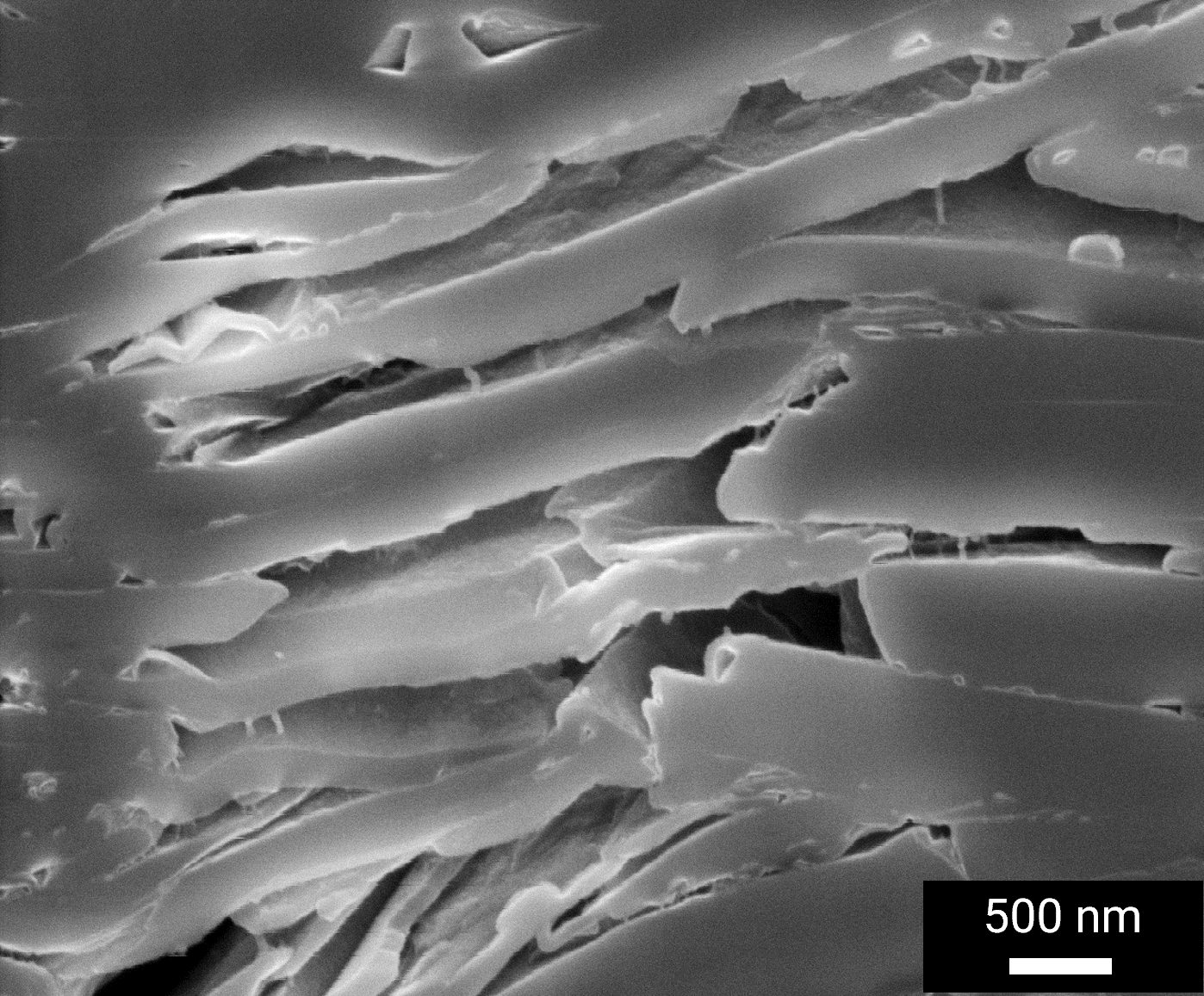
The data also revealed chemical reaction products from electrolyte decomposition within the sample’s volume and at the electrode surface, indicating interfacial instability. Combined with BSE and EDS imaging, the workflow provided detailed structure-property correlations – such as porosity aligning with lithium loss – offering deep insights into cathode failure.

GET IN Touch

Contact us

Get the most out of Tescan

This is more than information; it's an advantage. We've compiled our technical whitepapers, detailed product flyers, and on-demand webinars to provide you with the knowledge that makes a real difference. Sign up now to access the insights you need to make an impact.

Tescan Instruments & Technology

Used in This Workflow

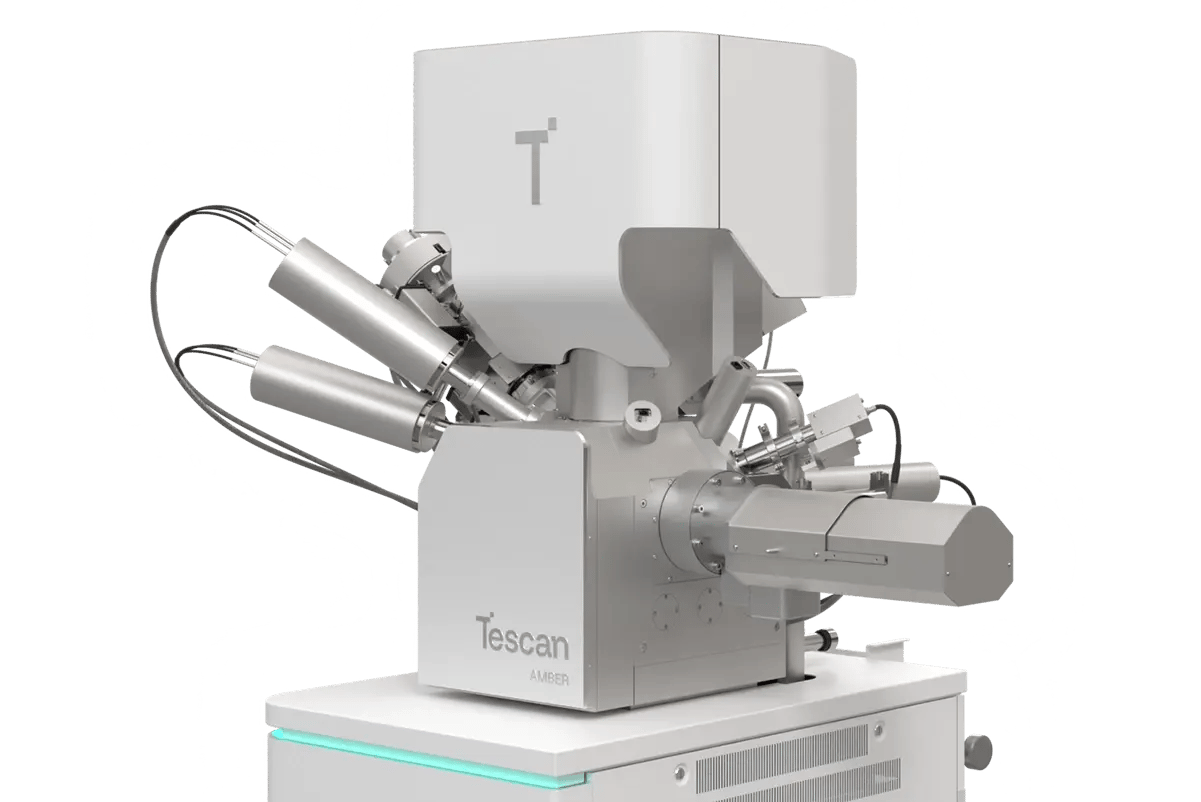
Tescan AMBER 2

A multi-functional Ga FIB-SEM workstation offering high-precision milling, ultra-high-resolution imaging, and advanced automation for materials research and TEM sample prep.

  • Gallium FIB for high-precision nanofabrication and TEM lamella preparation

  • Field-free UHR SEM column delivers ultra-high-resolution imaging and nanoanalysis

  • Multi-site automation and 3D FIB-SEM multimodal tomography, including integrated ToF-SIMS, for comprehensive analysis 
AMBER 2

GET IN Touch

Contact us

map

Where can you find us:

Tescan Brno
Libušina třída 21
623 00 Brno
Czech Republic

info@Tescan.com