WEBINAR | Up to 40% Faster Automated TEM Lamella Preparation with new Ga⁺ FIB Column

Atomic Structure Determination of Nanocrystals Using Precession Electron Diffraction Tomography (PEDT)

Solve crystal structures including hydrogens at sub-Angstrom resolution with precession-assisted 3D-ED workflow on Tescan TENSOR.

hero
hero
Unlocked content
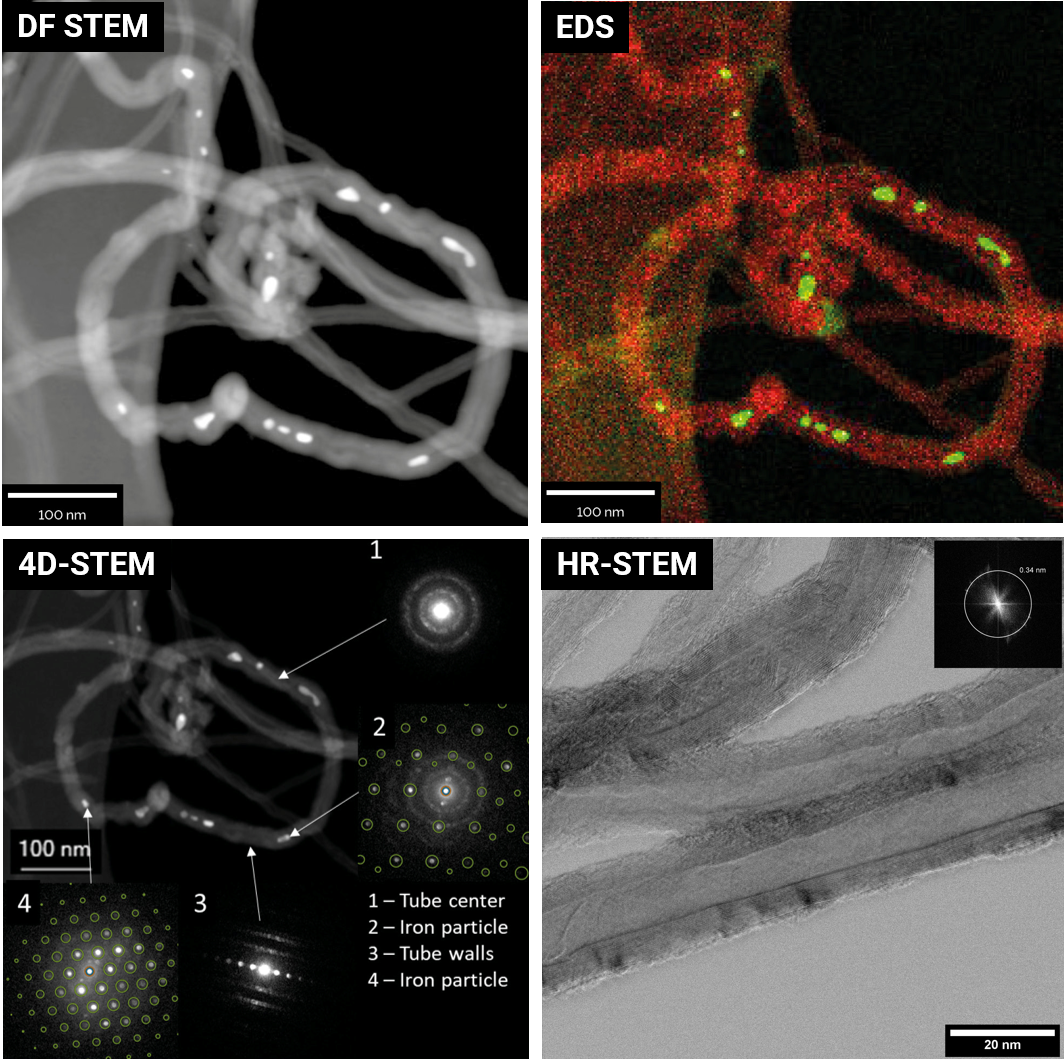
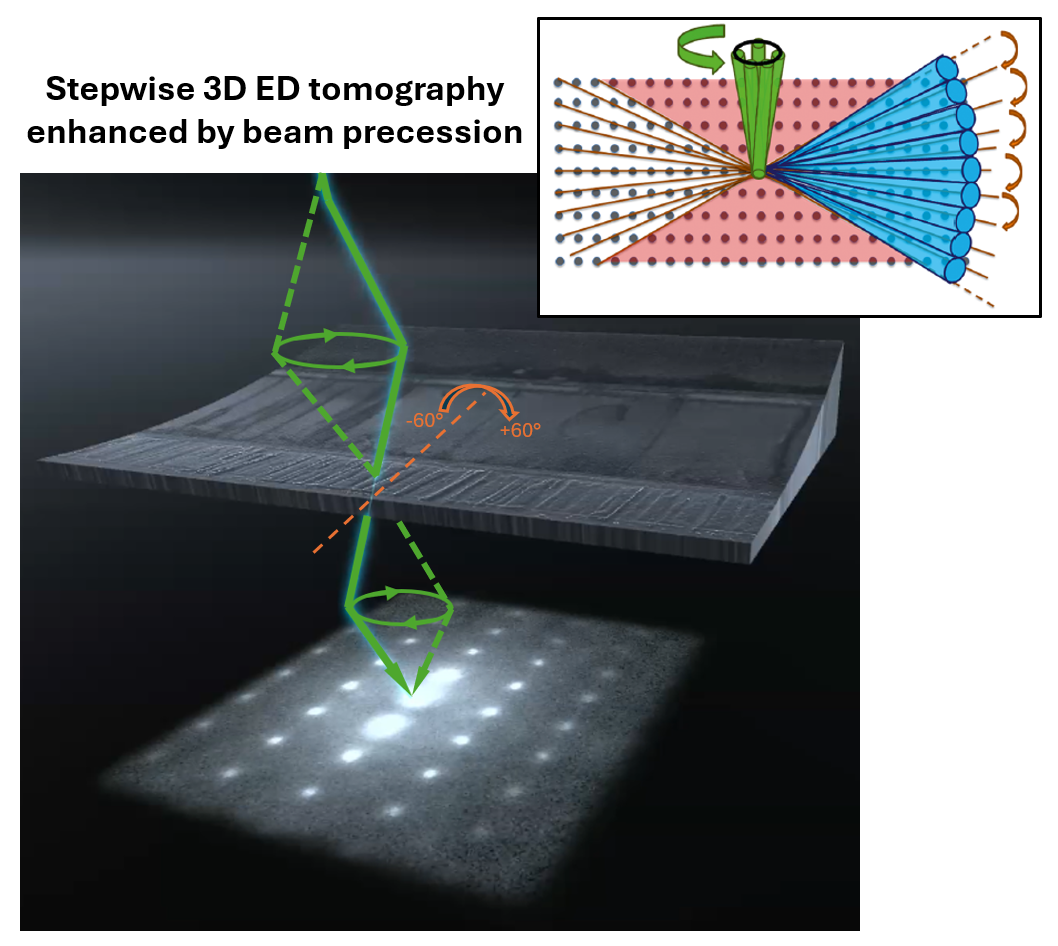
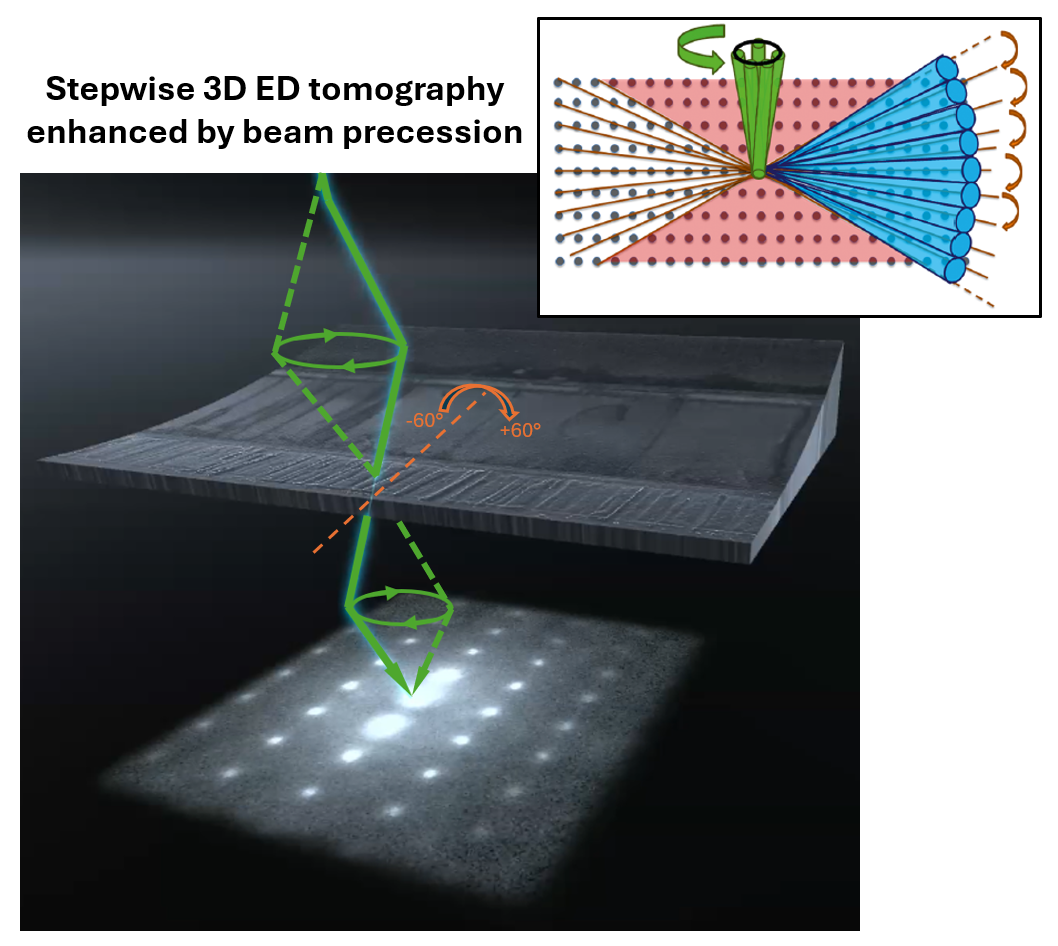
Precession electron diffraction tomography (PEDT) with Tescan TENSOR enables accurate 3D structural analysis of sub-micron crystals. By combining stepwise 3D ED data collection with beam precession and optional 4D-STEM mapping at each tilt step (5D STEM), it delivers high-quality diffraction data suitable for both kinematical and dynamical refinement — even for challenging beam-sensitive samples.

Using Precession Electron Diffraction Tomography (PEDT)

for Atomic Structure Determination

01
Root of the Problem

Why Nanocrystal Structure Determination Remains Challenging

Nanocrystalline materials are commonly used in geology, pharmaceuticals, and materials science. However, solving their atomic structures remains challenging. While traditional X-ray diffraction (XRD) techniques require crystals few microns in size, especially when embedded in complex matrices, TEM-based electron diffraction techniques (micro-ED) are affected by strong dynamical scattering. This distorts diffraction intensities and limits the accuracy of structural refinement — particularly in beam-sensitive samples. A successful approach must reduce the dynamical scattering effects, maximize data quality, and track the sample reliably during tilt series acquisition — all with minimal electron dose.

02
Materials and Methods

PEDT Workflow with Tescan TENSOR

A natrolite sample was prepared by dispersing fine powder in isopropanol and drop-casting onto a holey carbon grid. After plasma cleaning, a single ~2 µm crystal was selected for analysis.

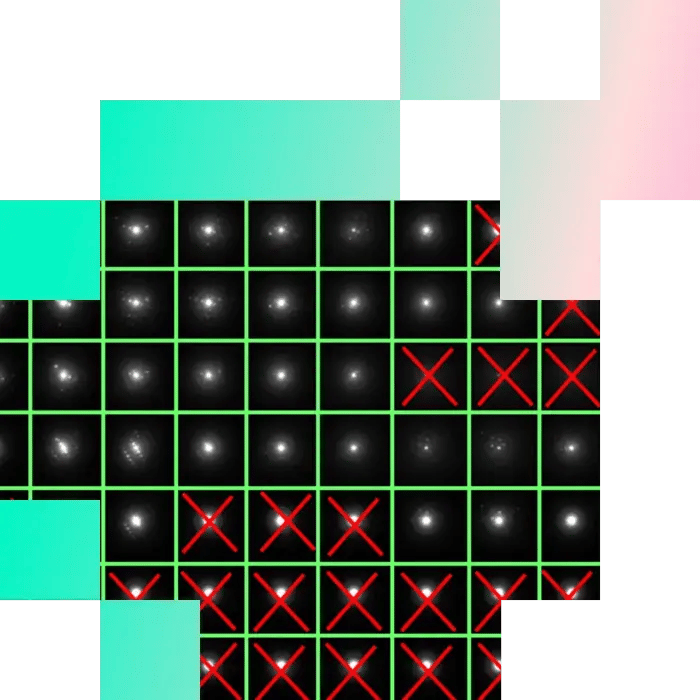
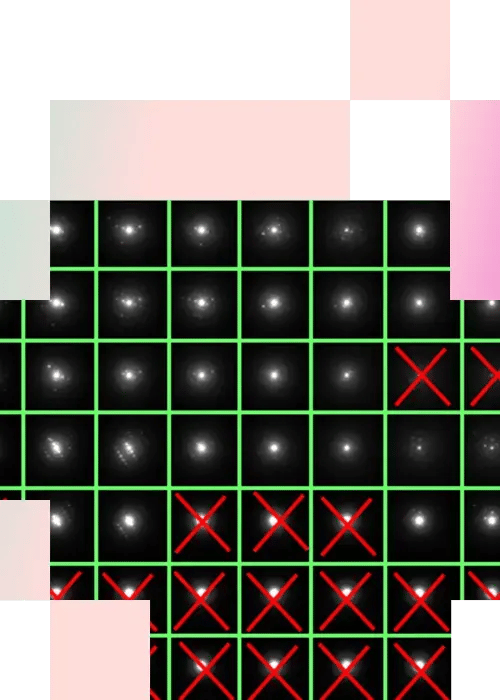
Using Tescan TENSOR, electron diffraction tilt series were acquired through stepwise 4D-STEM mapping combined with electron beam precession at a semi-angle of 0.5°. The sample was tilted in 1° increments, and at each position a 19 × 16 tile map was recorded.

Only high-quality diffraction tiles were selected and averaged. Tescan’s XYZ reference tracker ensured beam centering and minimized exposure. The hybrid-pixel detector captured patterns at fast readout speed with low background and high contrast.

This approach avoided contamination, minimized background from the support film, and distributed the electron dose evenly across the sample — preserving sensitive regions while collecting sufficient data for analysis.

03
Results and Discussion

High-Quality Diffraction for Confident Structural Refinement

The acquired dataset was processed using PETS2 software. Lattice parameters and crystal symmetry were determined, followed by structure solution and refinement.

The final data showed:

  • High resolution better than 0.63 Å
  • 73% completeness across the tilt range
  • Observed R-factor below 8%

These results enabled confident localization of all non-hydrogen atoms. Difference maps also revealed hydrogen atom positions, which are typically inaccessible via XRD.

This study demonstrates that PEDT with Tescan TENSOR is highly effective for atomic structure determination and analysis of nanocrystals, even when crystals are small, beam-sensitive, or part of complex mixtures.

GET IN Touch

Contact us

Get the most out of Tescan

This is more than information; it's an advantage. We've compiled our technical whitepapers, detailed product flyers, and on-demand webinars to provide you with the knowledge that makes a real difference. Sign up now to access the insights you need to make an impact.

Tescan Instruments & Technology

Used in This Workflow

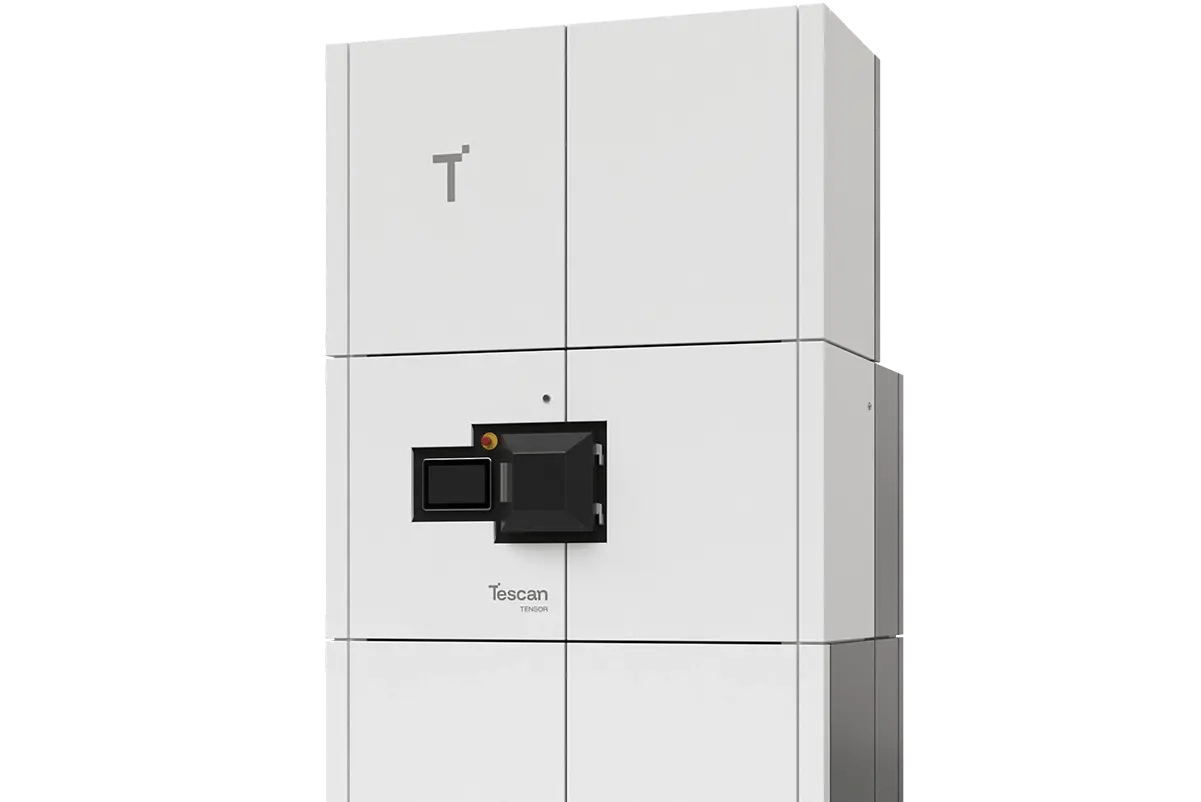
Tescan TENSOR with integrated DECTRIS QUADRO

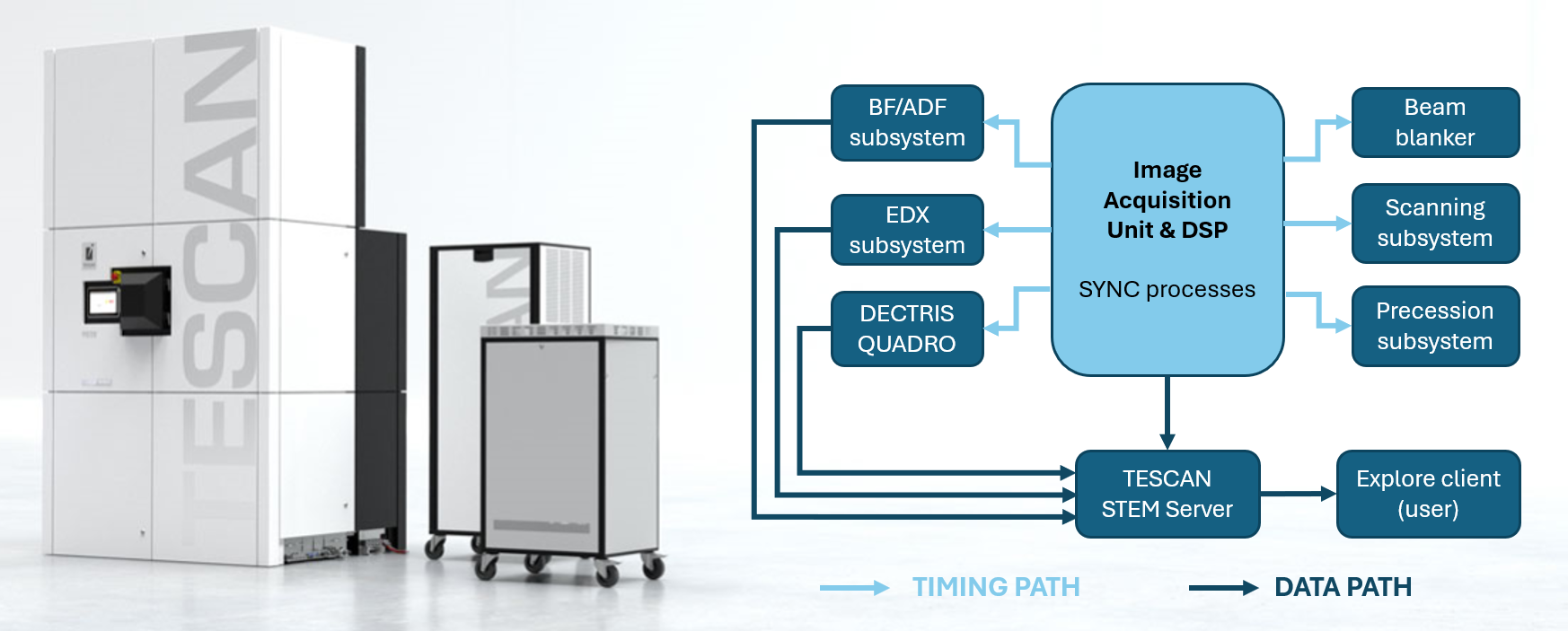
Tescan TENSOR is a dedicated analytical STEM platform optimized for 4D-STEM and 3D ED workflows enhanced by beam precession. It features full integration of the DECTRIS QUADRO hybrid-pixel detector to deliver rapid, high-precision diffraction data for materials research.

  • Fully integrated beam precession running at 72,000 Hz.

  • DECTRIS QUADRO detector with high dynamic range, single-electron sensitivity, and fast readout speed (up to 4,500 fps)

  • Beam precession for improved data quality due to reduced dynamical effects

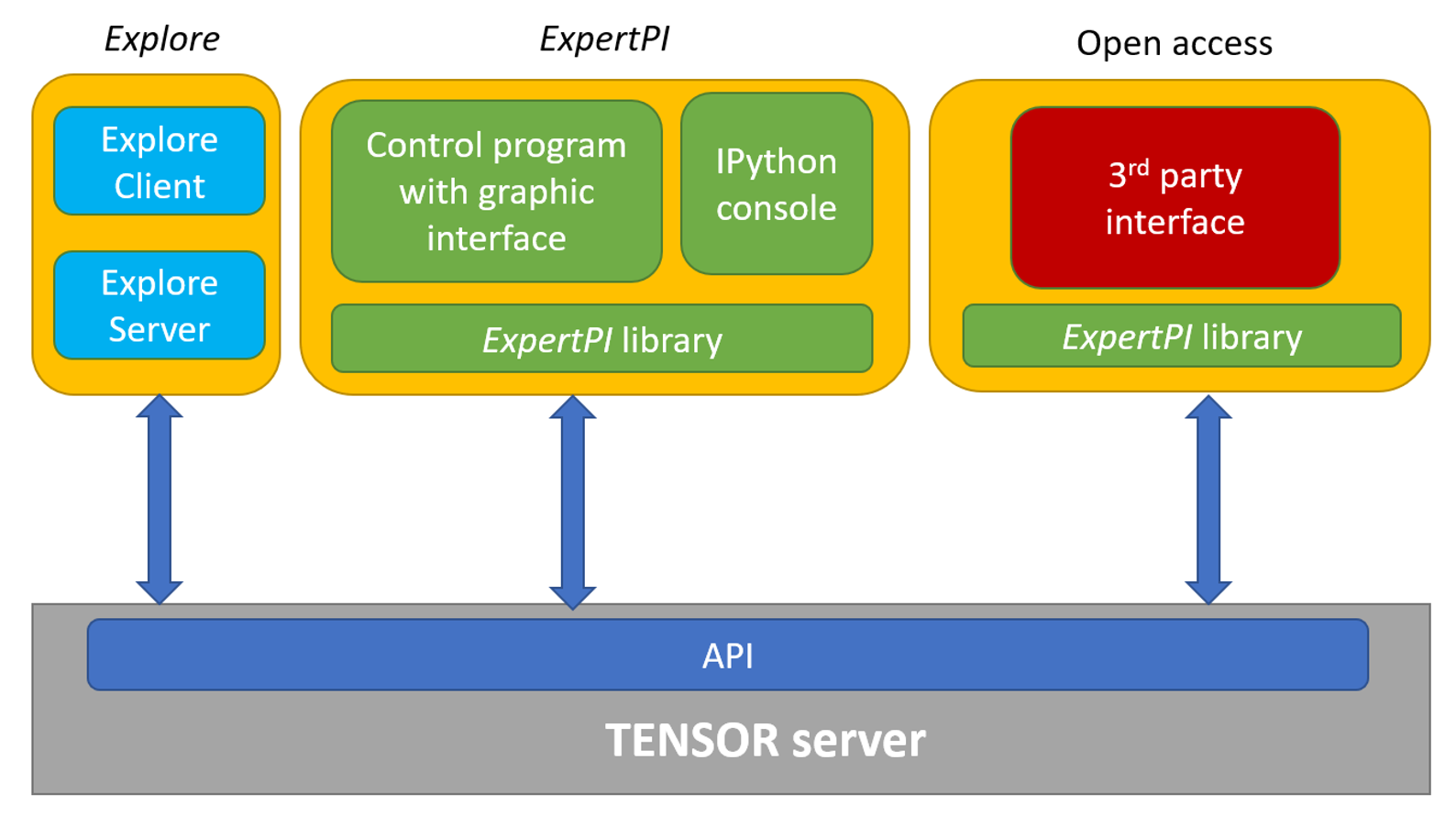
  • Streamlined and automated data acquisition with Explore™ user interface and 3D ED data processing with connected PETS software
TENSOR_1

GET IN Touch

Contact us

map

Where can you find us:

Tescan Brno
Libušina třída 21
623 00 Brno
Czech Republic

info@Tescan.com