WEBINAR | Up to 40% Faster Automated TEM Lamella Preparation with new Ga⁺ FIB Column

Enable High-Precision 4D-STEM Measurements with Beam Precession

Use Tescan TENSOR™ with real-time precession and a hybrid-pixel detector to deliver precise, reproducible 4D-STEM diffraction data in complex nanoscale devices.

hero
hero
Unlocked content

Overcome 4D-STEM Challenges with Tescan TENSOR™

Conventional 4D-STEM workflows are hindered by dynamical scattering, sample misalignment, and long acquisition times. This limits throughput and reduces accuracy and precision of strain and phase-orientation studies.

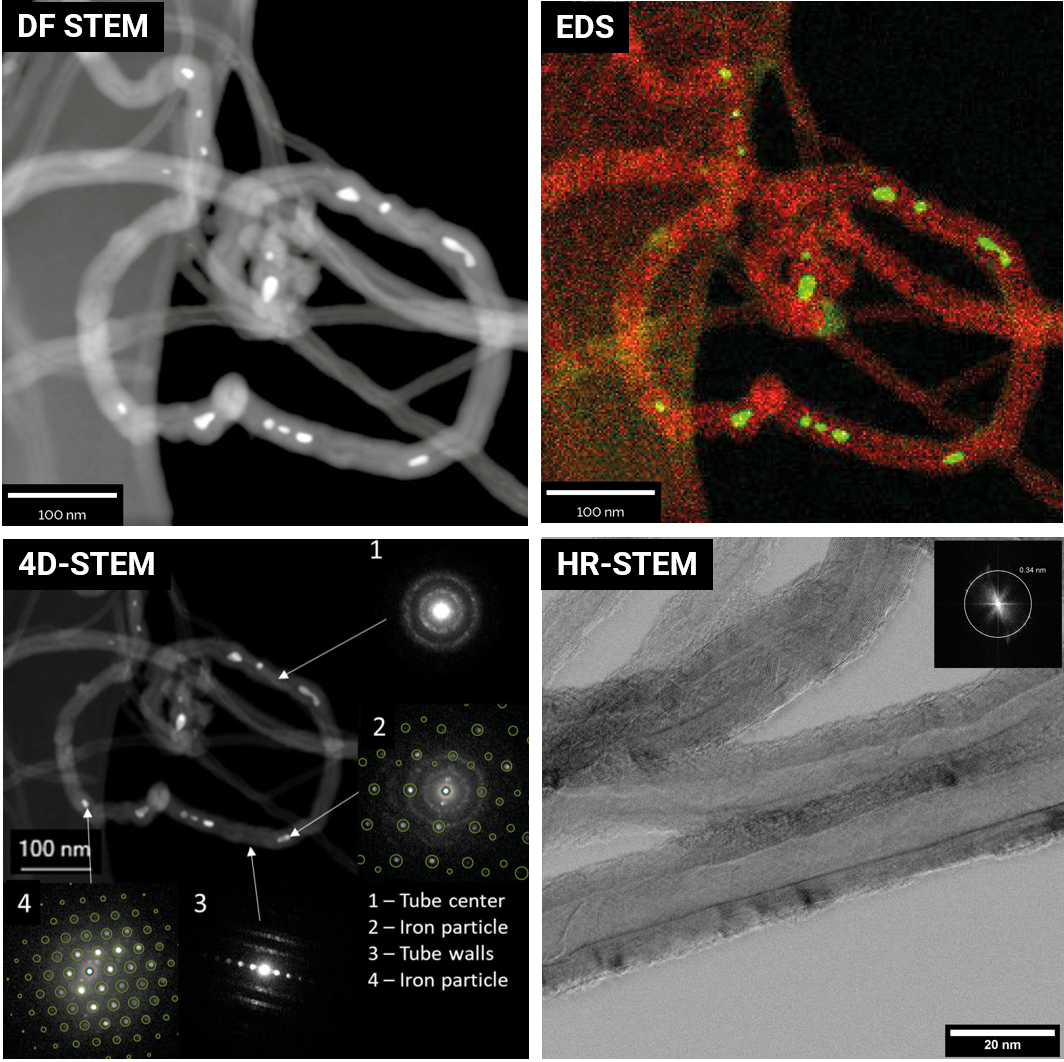
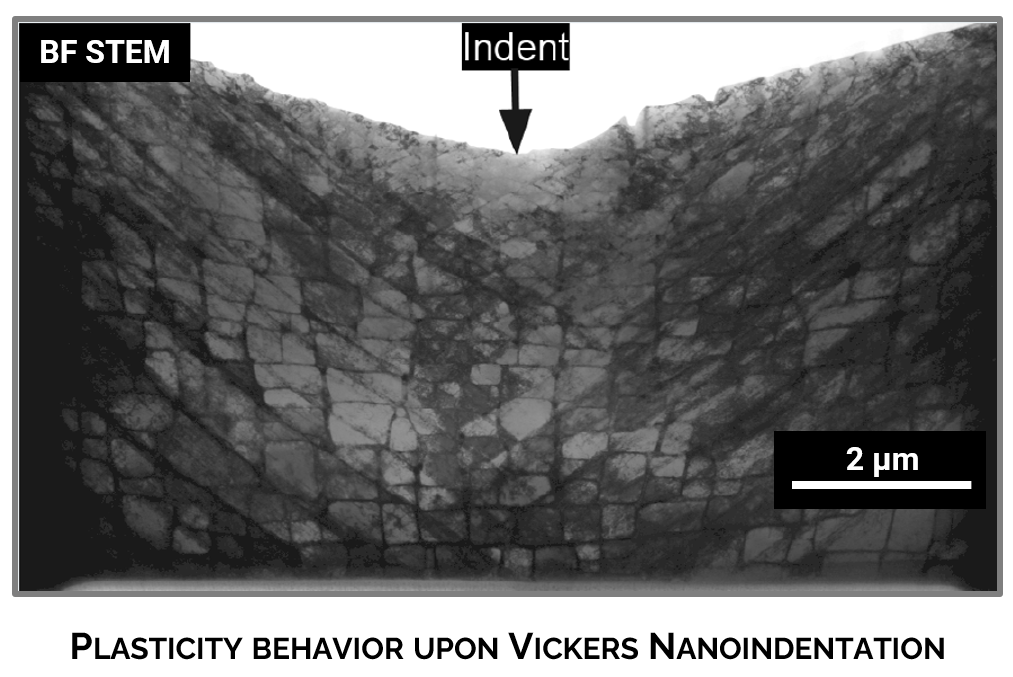
Tescan TENSOR™ was designed specifically for fast and interactive sample characterization by both conventional analytical STEM and precession-assisted electron diffraction. By combining beam precession and direct electron detection of electron diffraction data with hybrid-pixel detector technology, it delivers robust crystallographic mapping across modern materials, thin polycrystalline films, nanoparticles, and semiconductor devices.

How Tescan TENSOR improves the accuracy and precision of 4D-STEM measurements

such as Phase-Orientation Mapping and Strain Analysis

01
Root of the Problem

Why Conventional STEM Workflows Fall Short for Modern Materials

Advanced and functional materials require more than conventional STEM imaging and EDS mapping. Understanding atomic structure, crystallinity, and phase is essential for development and production, yet traditional TEM/STEM systems face critical limitations when equipped for 4D-STEM.

Instability and misalignments in EM optics reduce reproducibility of measurements. Dynamical scattering compromises accuracy and precision in diffraction analysis. Slow beam precession limits acquisition speed and throughput, resulting in batch data collection protocols and time-consuming post-processing procedures.

These bottlenecks make diffraction mapping workflows inefficient and difficult to scale — despite their value for revealing material structural and functional properties over large areas at nanometer resolution.

Tescan TENSOR™ was designed to overcome these challenges with a system built specifically for advanced analytical STEM with fully integrated and synchronized beam precession.

02
Materials and Methods

How Precession-Enhanced 4D-STEM Was Performed Using Tescan TENSOR™

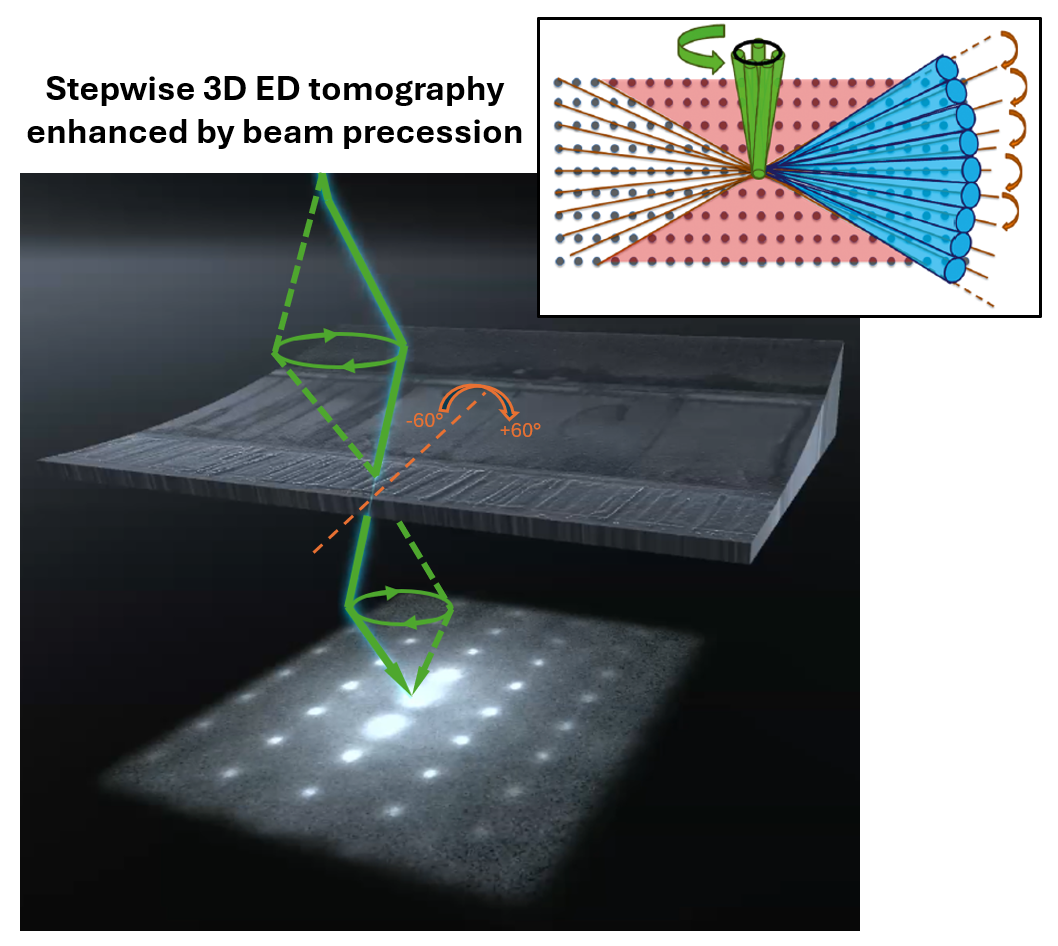
The Tescan TENSOR™ system was purpose-built as a dedicated analytical STEM platform, with optics, scanning, and detectors optimized for fast diffraction analysis. A proprietary in-built system for beam precession was integrated into the TENSOR system to improve diffraction uniformity and reduce dynamical effects in electron diffraction datasets.

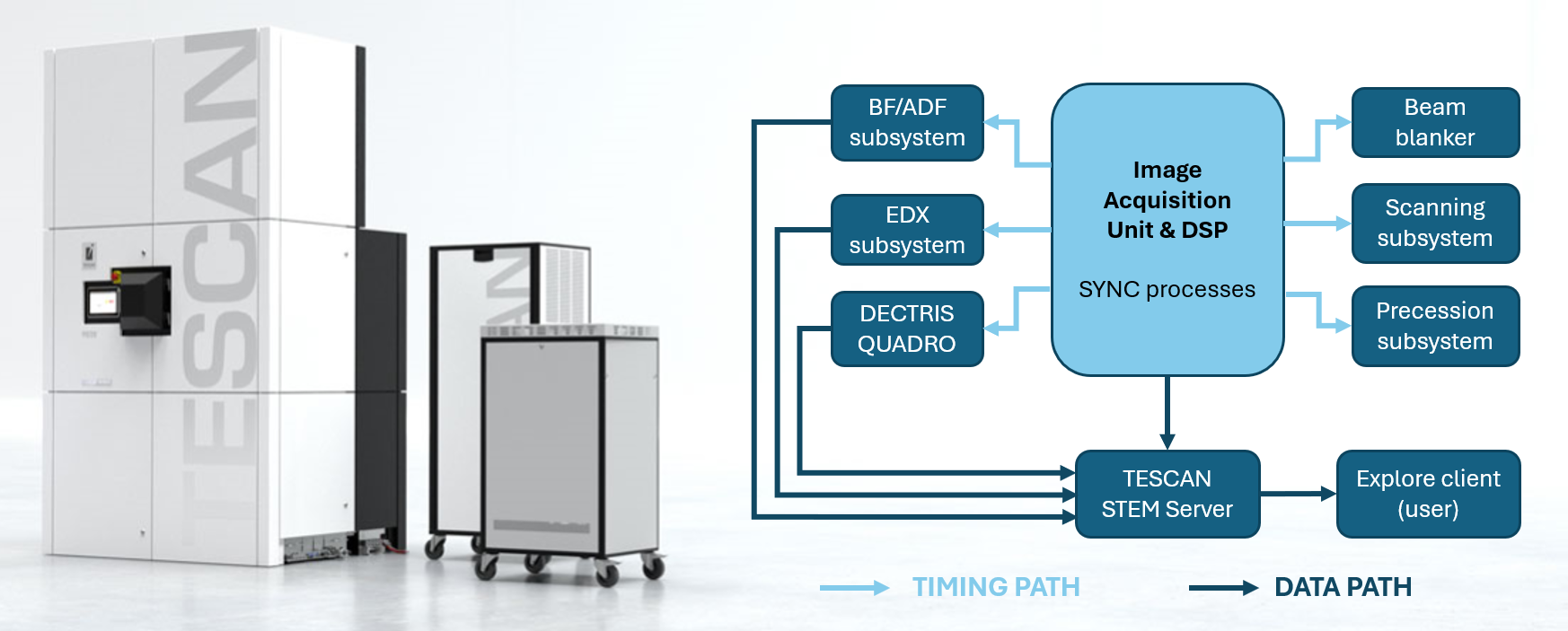
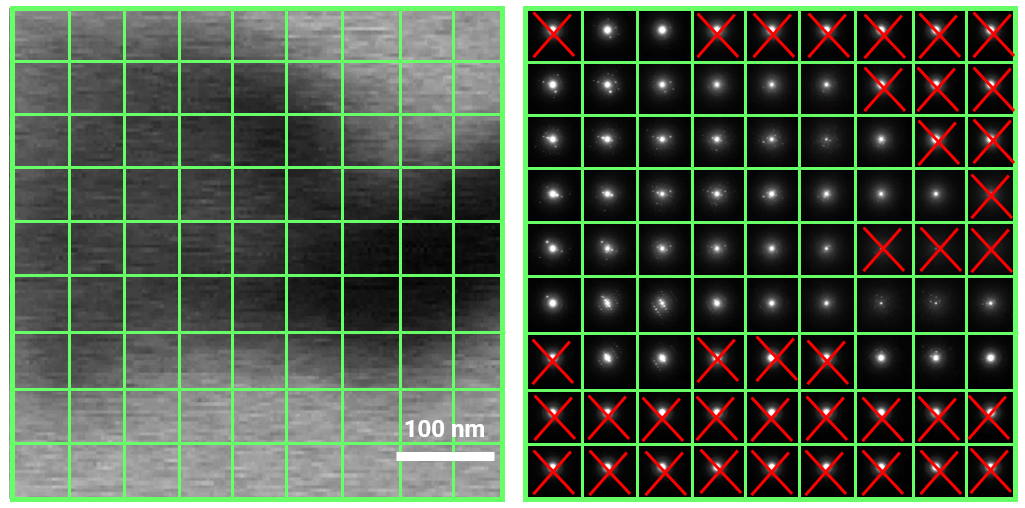
Diffraction patterns were recorded using the DECTRIS QUADRO hybrid-pixel detector, providing single-electron sensitivity and noise-free readout. Complete synchronization of beam scanning, blanking, precession, and detector readout ensured naturally correlative multimodal datasets.

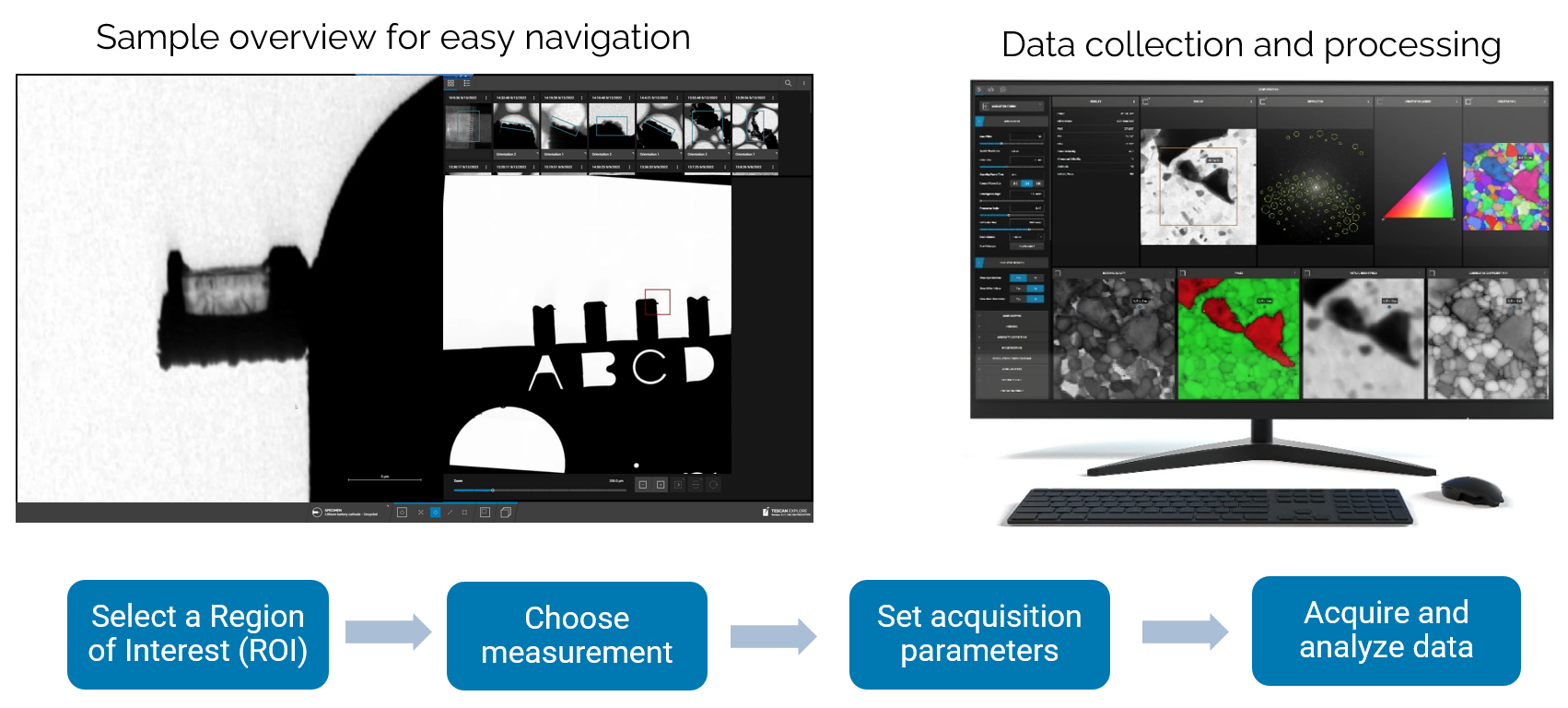
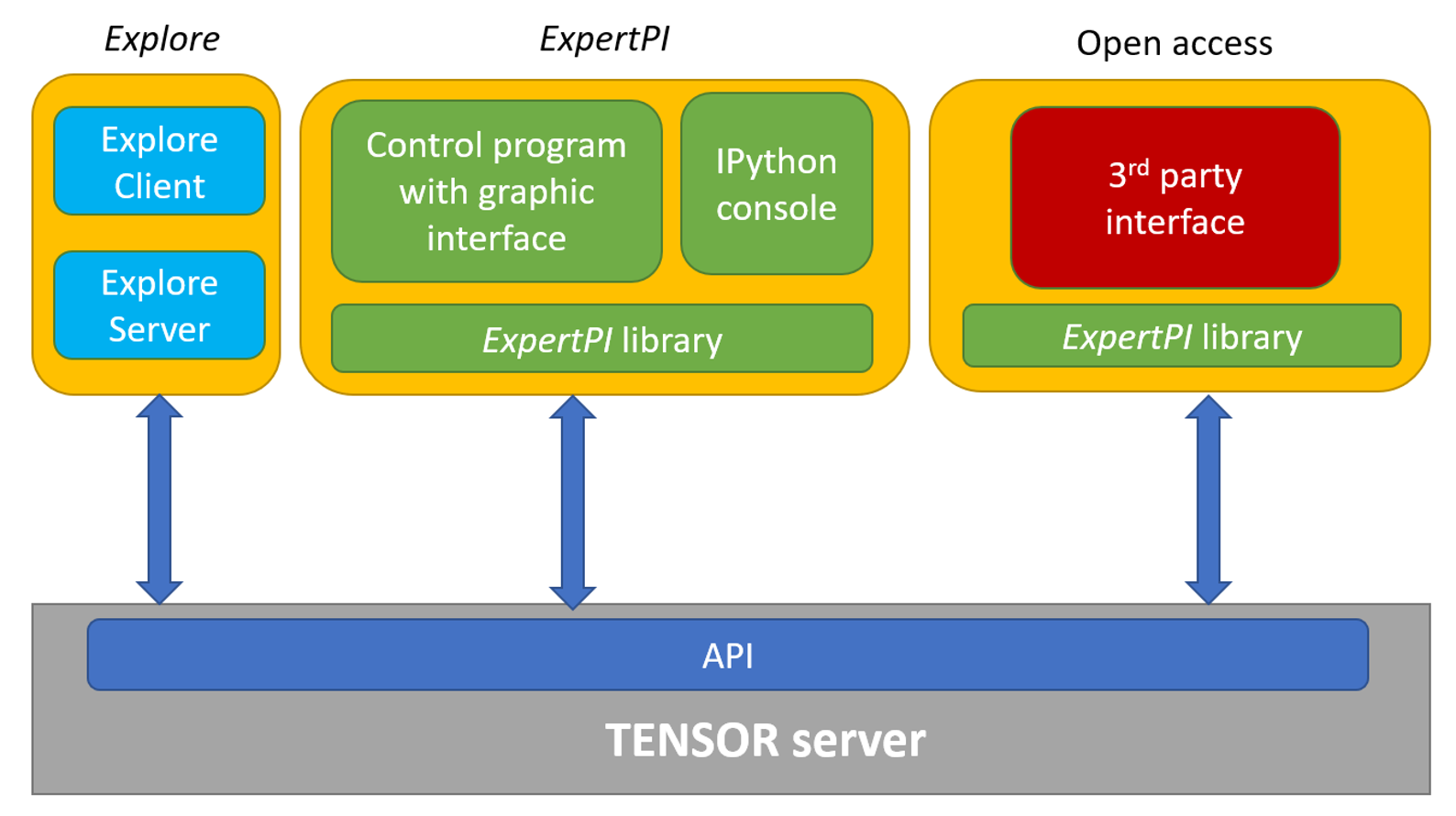
Explore™ software provided integrated control of acquisition, pattern recognition, and mapping, eliminating the need for external data export and post-processing. This workflow enabled robust, high-precision 4D-STEM measurements suitable for strain, orientation, and phase analysis in advanced materials.

03
Results and Discussion

High-Precision 4D-STEM Strain and Orientation Mapping with Tescan TENSOR™

Tescan TENSOR™ demonstrated reliable precession-assisted 4D-STEM workflows for advanced materials. Automated optics alignment assured superior data quality while beam precession minimized dynamical scattering effects producing diffraction patterns with uniform intensity and improved accuracy for crystallographic analysis.

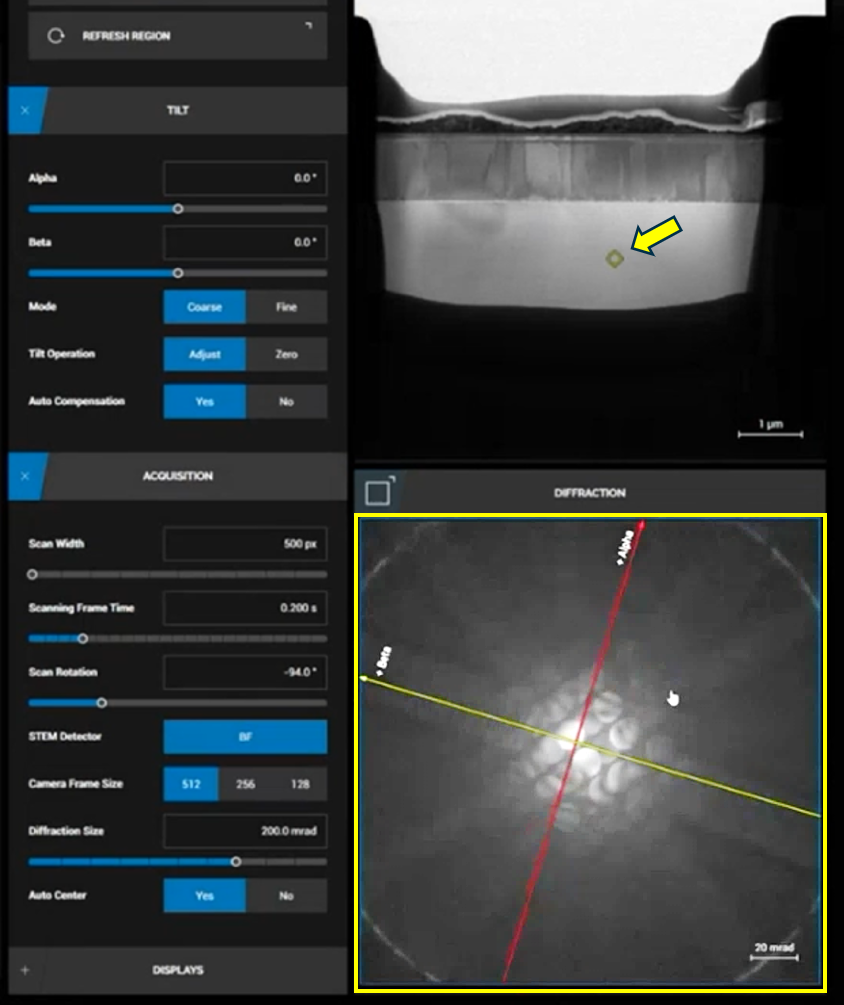
Using the DECTRIS QUADRO detector, datasets were acquired with single-electron sensitivity and no readout noise. Results showed enhanced reproducibility across users, with default acquisition parameters optimized for each measurement. Real-time processing allowed immediate feedback, enabling users to adjust regions of interest or acquisition settings on the fly.

Comparisons with traditional systems confirmed significant efficiency gains: strain maps that typically require an hour could be completed within 15 minutes on TENSOR. This efficiency, combined with consistent data quality, establishes TENSOR as a dependable platform for high-throughput strain, orientation, and phase mapping in modern materials research. 

GET IN Touch

Contact us

Get the most out of Tescan

This is more than information; it's an advantage. We've compiled our technical whitepapers, detailed product flyers, and on-demand webinars to provide you with the knowledge that makes a real difference. Sign up now to access the insights you need to make an impact.

Tescan Instruments & Technology

Used in This Workflow

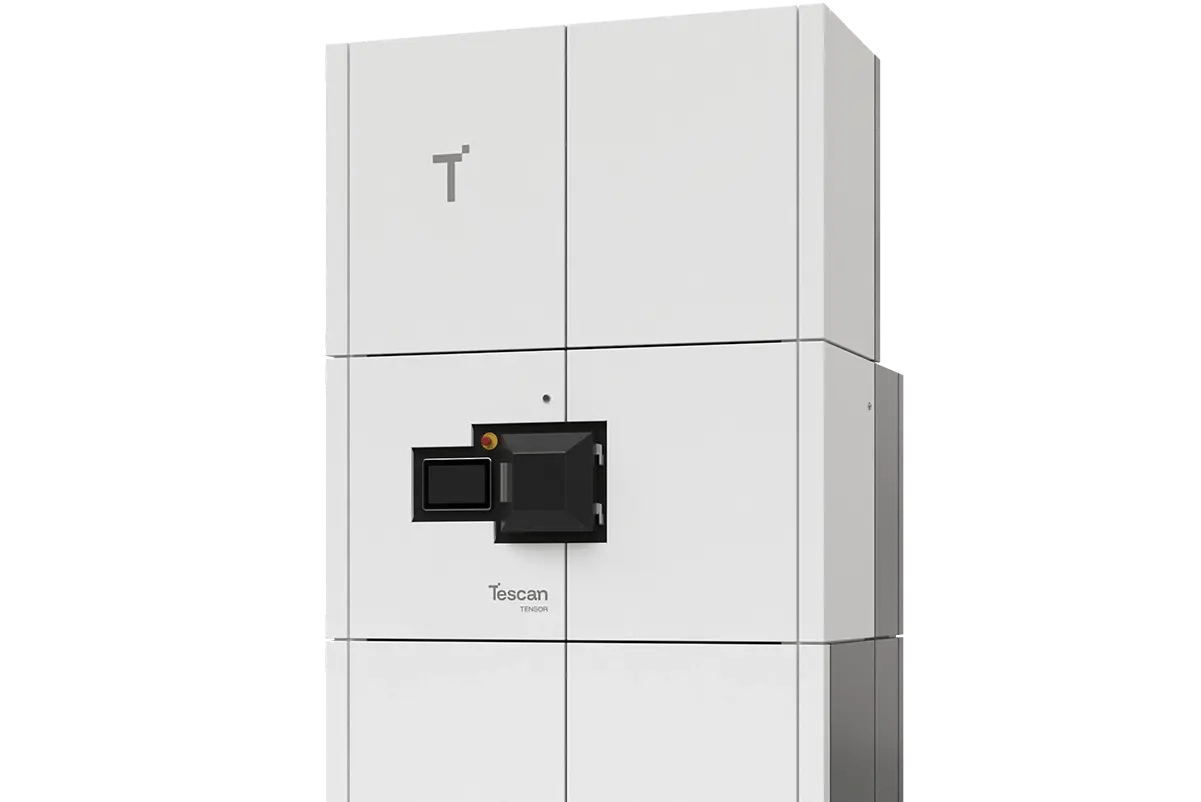
Tescan TENSOR with Integrated DECTRIS QUADRO

Tescan TENSOR™ is a dedicated analytical STEM platform designed for precession-assisted 4D-STEM workflows in advanced materials research.

It integrates fast beam precession with the DECTRIS QUADRO hybrid-pixel direct detector to deliver high-quality diffraction data with improved accuracy and precision.

You can perform robust crystallographic mapping, strain analysis, and phase-orientation studies with confidence, using synchronized optics, detectors, and software that ensure reproducible results in real time.

  • Fully synchronized STEM architecture: aligns beam scanning, precession, and detector readout for reliable datasets
  • DECTRIS QUADRO detector: combines single-electron sensitivity with a wide dynamic range
  • Beam precession module: improves diffraction symmetry and reduces dynamical scattering effects
  • Explore™ software: integrates acquisition, mapping, and real time data analysis without external post-processing
TENSOR_1

GET IN Touch

Contact us

map

Where can you find us:

Tescan Brno
Libušina třída 21
623 00 Brno
Czech Republic

info@Tescan.com