WEBINAR | Up to 40% Faster Automated TEM Lamella Preparation with new Ga⁺ FIB Column

Structural and Chemical Analysis of Encapsulated Nanoparticles in Carbon Nanotubes

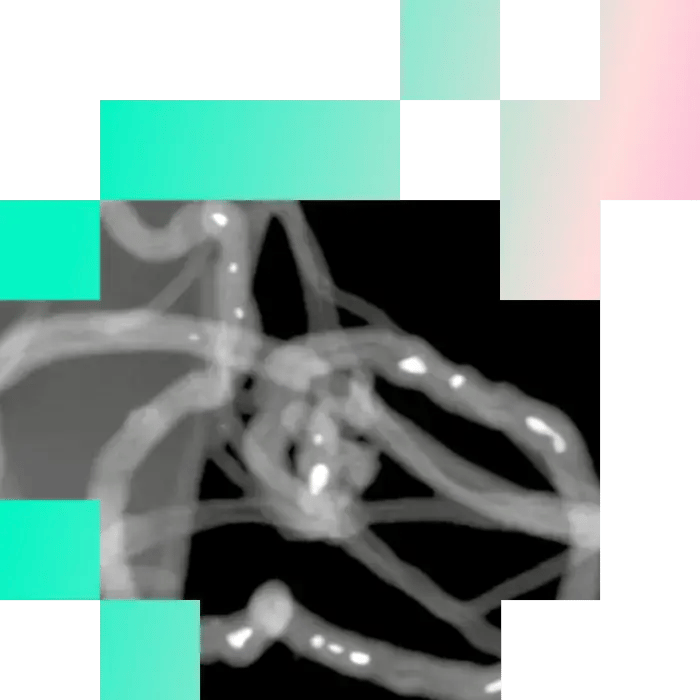
Multimodal 4D-STEM and EDX characterization of metal particles at the nanoscale.

hero
hero
Unlocked content

Investigating Structure–Function Relationships in Encapsulated Nanomaterials

Nanoparticles embedded inside carbon nanotubes offer promising pathways in battery design, catalysis, and targeted delivery systems. Yet, understanding how these confined environments influence particle structure and chemistry remain a technical challenge.

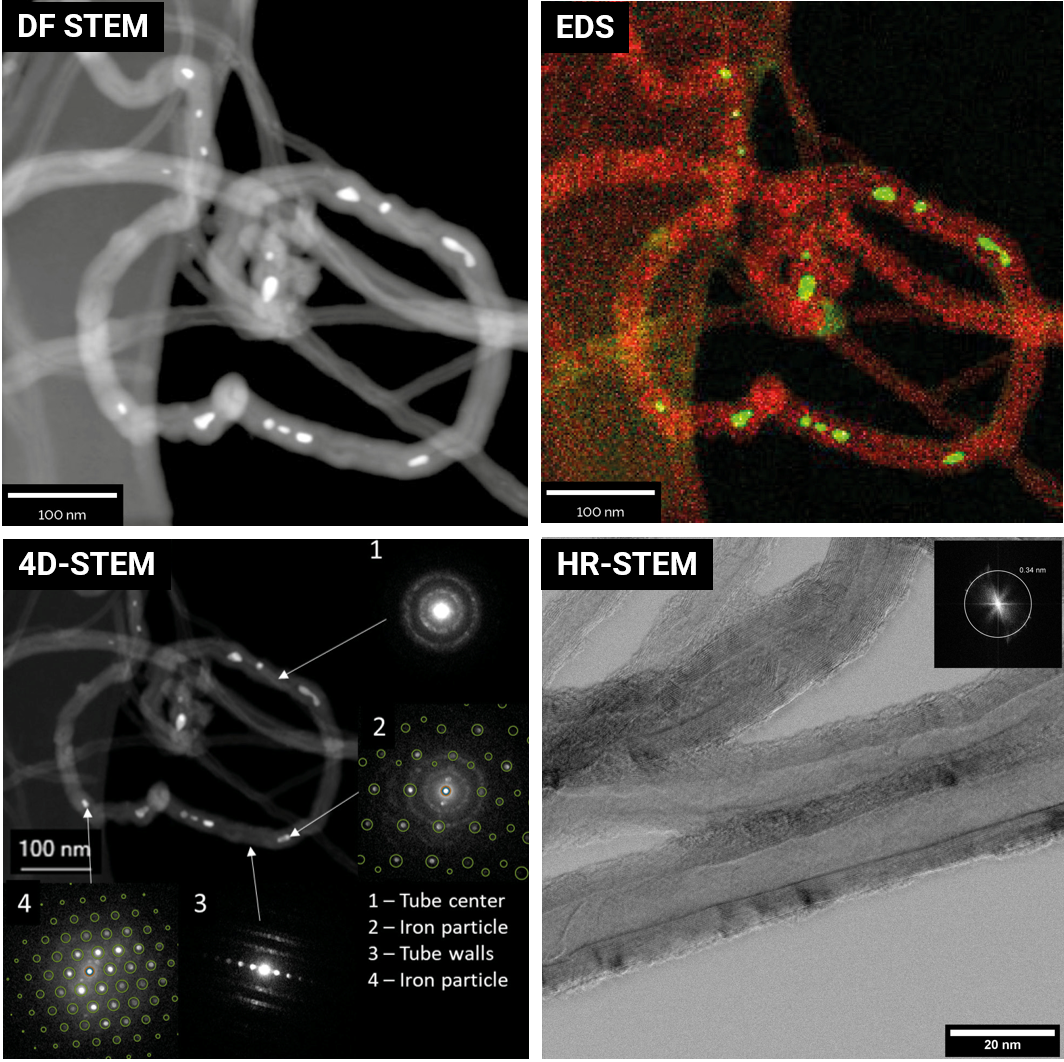
Using Tescan TENSOR’s multimodal capabilities, this study demonstrates how to perform full analytical STEM characterization of materials using the conventional STEM imaging and EDX mapping complemented with advanced 4D-STEM structural analysis. The results obtained from individual metal nanoparticles that were encapsulated within multi-walled carbon nanotubes provide a detailed view of particle composition, crystal orientation, and spatial alignment, resolved at the nanometer scale and acquired within a single integrated workflow from a large region of interest.

Why Characterize Encapsulated Nanoparticles

with 4D-STEM?

01
Root of the Problem

Mapping Structure and Chemistry in Confined Spaces

The structure of metal nanoparticles can be influenced by the confinement and curvature of their environment, especially within narrow carbon nanotubes. However, the low atomic number of carbon, the small size of the inclusions, and their full encapsulation all present difficulties for standard electron microscopy techniques.

To study the spatial relationship between a host nanotube and its encapsulated particles, a multimodal approach combining compositional mapping with orientation-sensitive diffraction is necessary.

02
Materials and Methods

Correlated EDX and Diffraction Mapping

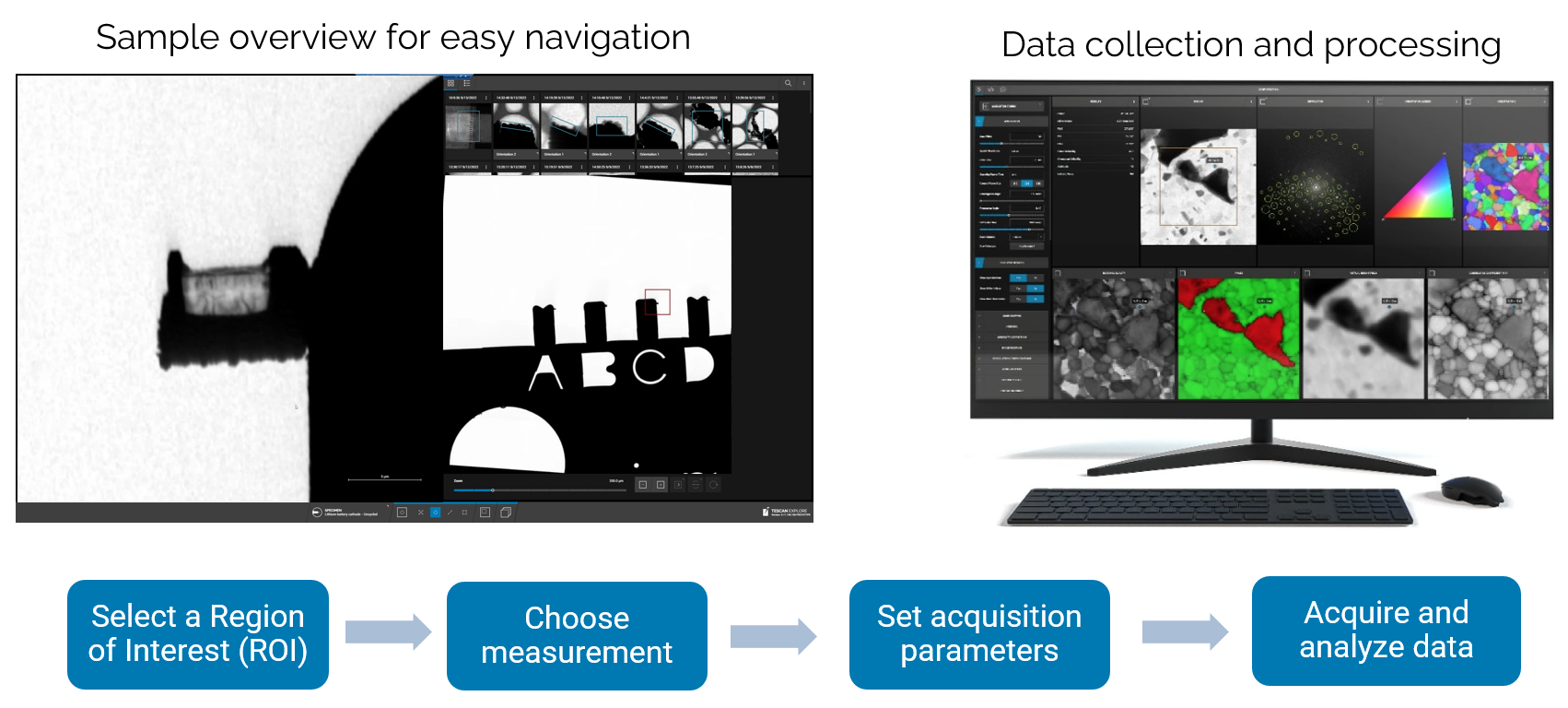
Carbon nanotubes containing iron nanoparticles were analyzed using a multimodal workflow on the Tescan TENSOR platform. STEM imaging was used for morphology visualization, EDX mapping for elemental composition, and 4D-STEM for orientation analysis. The setup enabled each technique to target the same region under optimized conditions. STEM imaging used a 6.5 mrad convergence angle and 100 pA probe current, while EDX mapping was performed with a higher probe current (10 nA) and ~1 nm probe diameter over a 600 s acquisition.

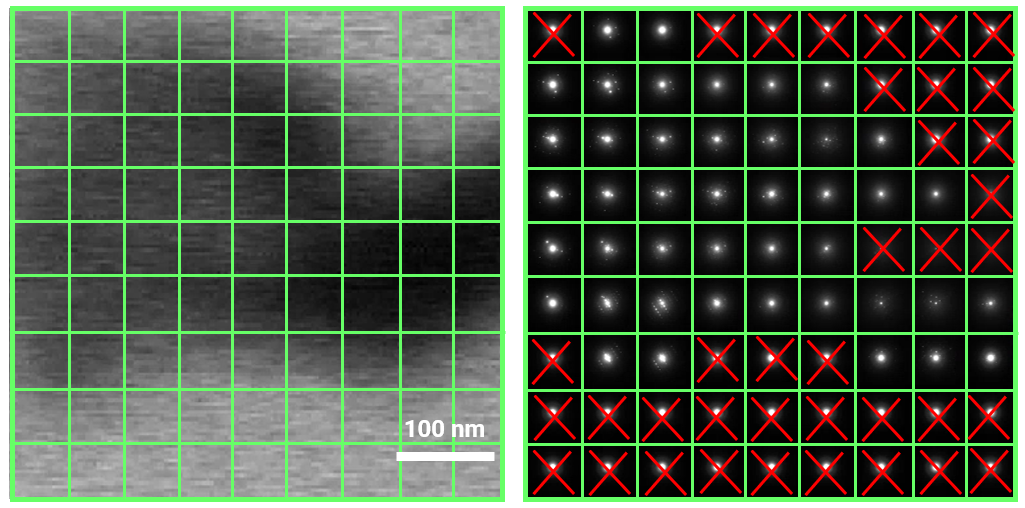
For crystallographic analysis, 4D-STEM orientation mapping was conducted using a 2 mrad convergence angle, 250 pA probe current, 2.5 nm pixel size, and 2 ms dwell time. Iron templates were derived from kinematic CIF models. Phase contrast imaging, using a 10 mrad convergence angle and 65 pA current, allowed wall layer spacing to be measured via FFTs. All techniques were spatially correlated using the same acquisition platform.

03
Results and Discussion

Distinct Particle Behavior Revealed

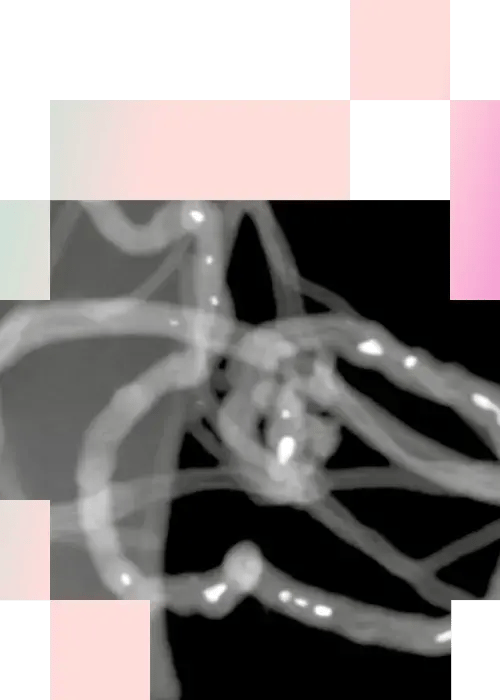
EDX mapping confirmed the particles were made of iron, with no elemental diffusion into the carbon matrix. STEM imaging showed that the nanoparticles were fully enclosed within the nanotube walls, without external aggregation or attachment. Phase contrast imaging revealed consistent graphitic interlayer spacing around 0.34 nm, while wall thickness varied from 5 to over 15 layers across different nanotubes.

4D-STEM orientation analysis revealed both aligned and misaligned particles relative to the carbon shell, indicating that confinement can – but doesn’t always – guide crystal growth. Nanobeam diffraction enabled region-specific orientation analysis, allowing researchers to decouple particle structure from the surrounding host. Together, the integrated dataset provided a detailed view of particle identity, placement, and orientation within the carbon host environment.

GET IN Touch

Contact us

Get the most out of Tescan

This is more than information; it's an advantage. We've compiled our technical whitepapers, detailed product flyers, and on-demand webinars to provide you with the knowledge that makes a real difference. Sign up now to access the insights you need to make an impact.

Tescan Instruments & Technology

Used in This Workflow

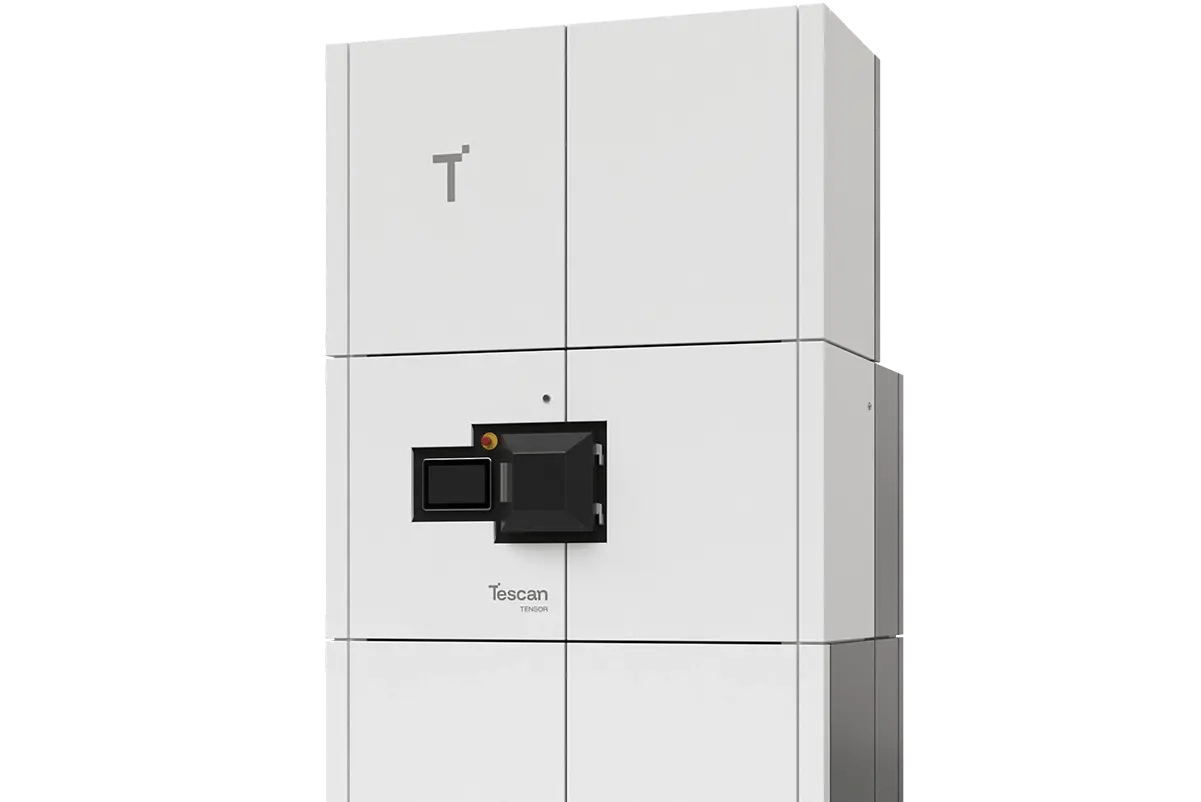
Tescan TENSOR

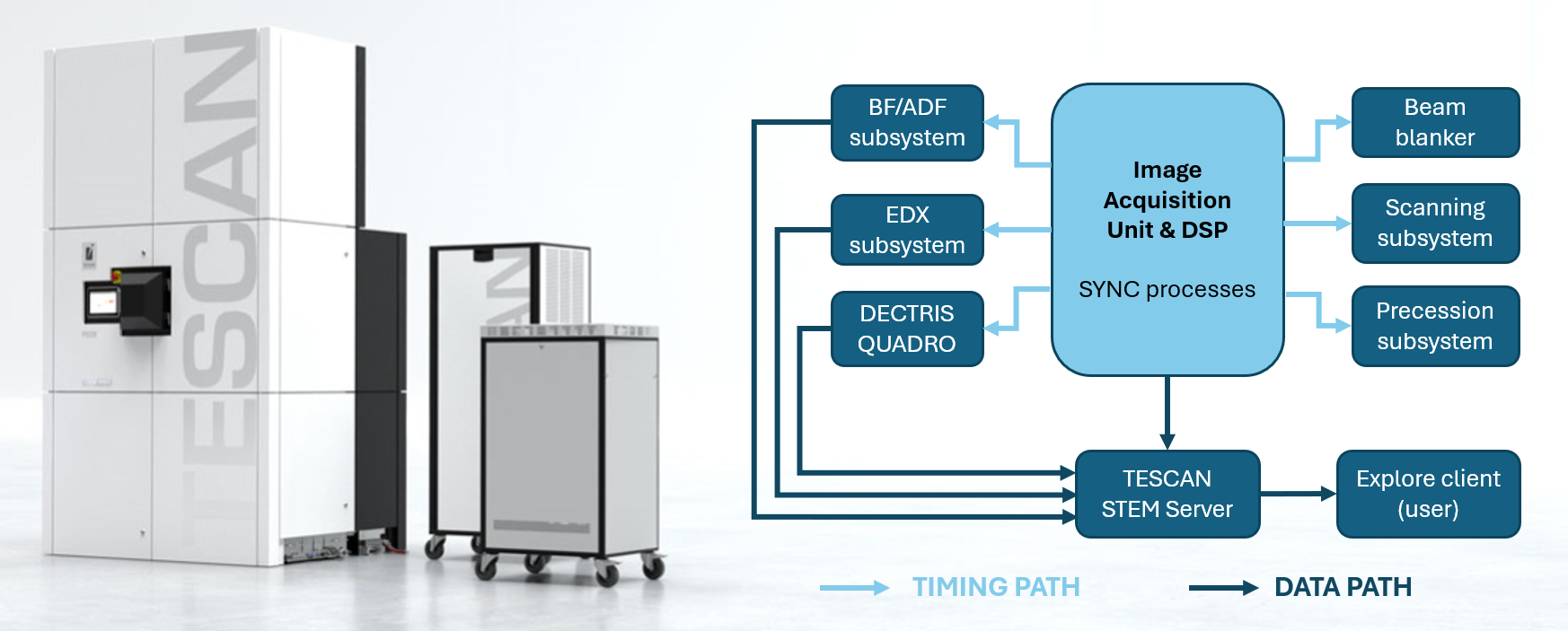
A fully integrated analytical scanning transmission electron microscope that captures imaging, diffraction, and elemental data simultaneously for multimodal nanoscale characterization.


  • 4D-STEM for crystallographic orientation and phase mapping

  • Large solid-angle EDX detection and 100kV electron acceleration for efficient nanoscale chemical analysis

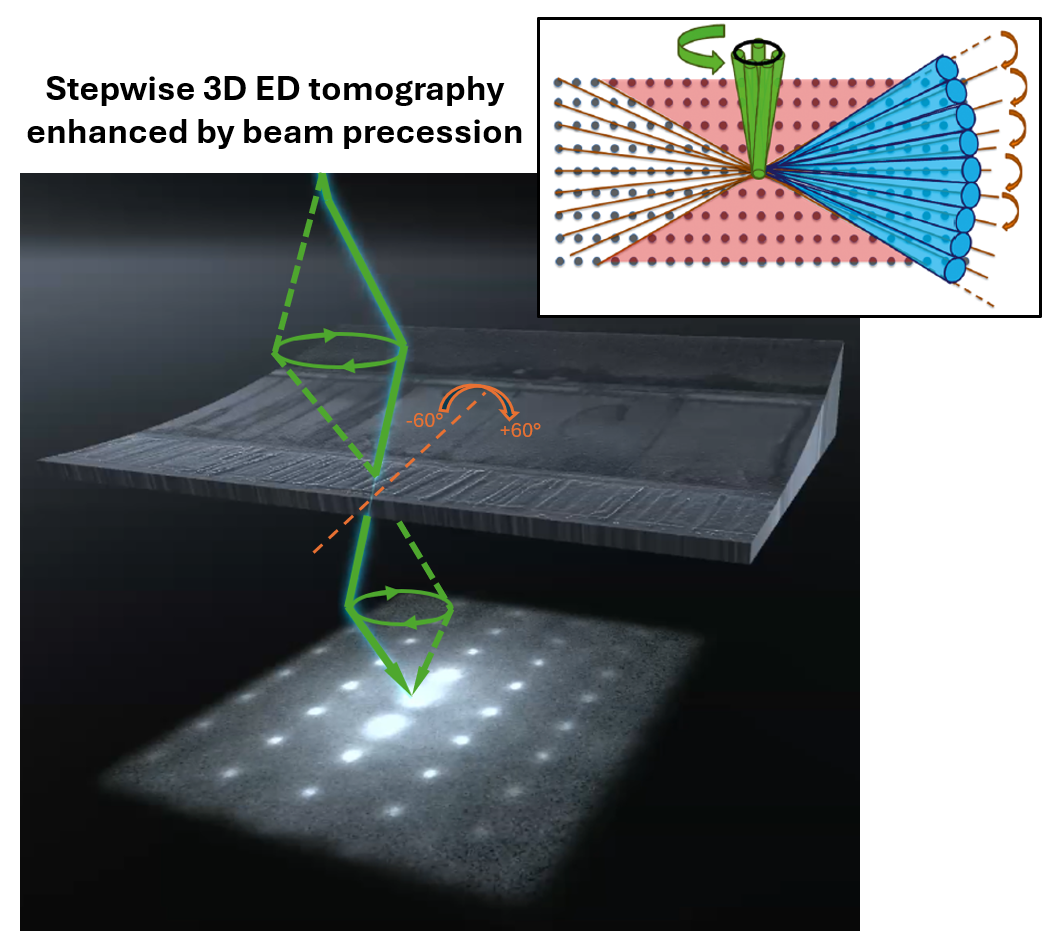
  • Precession-assisted nanobeam diffraction for high-quality indexing of acquired diffraction patterns
TENSOR_1

GET IN Touch

Contact us

map

Where can you find us:

Tescan Brno
Libušina třída 21
623 00 Brno
Czech Republic

info@Tescan.com