WEBINAR | Up to 40% Faster Automated TEM Lamella Preparation with new Ga⁺ FIB Column

Streamline TEM Sample Preparation of Challenging Materials with Tescan FIB-SEM Workflows

Achieve precise TEM sample preparation with Tescan FIB-SEM and OptiLift™, enabling reliable lift-out and thinning of large or complex specimens such as thick SiC layers. 

hero
hero
Unlocked content

Enable High-Quality TEM Sample Preparation for Reliable Defect Analysis and Faster Workflows

Preparing TEM specimens from thick or brittle materials such as SiC is a major challenge. Mechanical methods risk damaging the crystal, while conventional FIB workflows often fail to produce lamellae that reveal defects across the full thickness. As a result, critical information about stacking faults and dislocations may remain hidden.

Tescan FIB-SEM with OptiLift™ provides precise lift-out and controlled thinning of large, site-specific lamellae. This workflow delivers high-quality TEM samples that preserve structural integrity and enable reliable defect analysis, all within a single instrument.

Why Perform TEM Sample Preparation

with Tescan FIB-SEM and OptiLift™?

01
Root of the Problem

Why Conventional FIB Workflows Struggle with TEM Sample Preparation

Preparing TEM specimens from thick or brittle materials like SiC is challenging. Conventional FIB thinning often fails with layers above 20 µm, while mechanical methods risk damaging fragile samples. Limited orientation control makes it difficult to capture defects across the full cross-section.

As a result, critical information such as stacking faults or dislocation networks can remain hidden, leading to incomplete analysis.

Tescan FIB-SEM with OptiLift™ solves these issues by enabling large-area lift-out, rotation, and thinning within a single streamlined workflow.

Prepare lamellae exceeding 50 µm without distortion

  • Rotate samples by 90° post lift-out to achieve optimal geometry
  • Perform thinning and polishing with minimized curtaining artifacts
  • Visualize defects in-situ using integrated STEM detectors
  • Transition seamlessly from lift-out to TEM-ready samples without workflow interruption

Overcome the constraints of conventional TEM sample preparation and achieve reliable results even with challenging materials and complex geometries.

02
Materials and Methods

How TEM Sample Preparation Was Performed Using Tescan FIB-SEM with OptiLift™

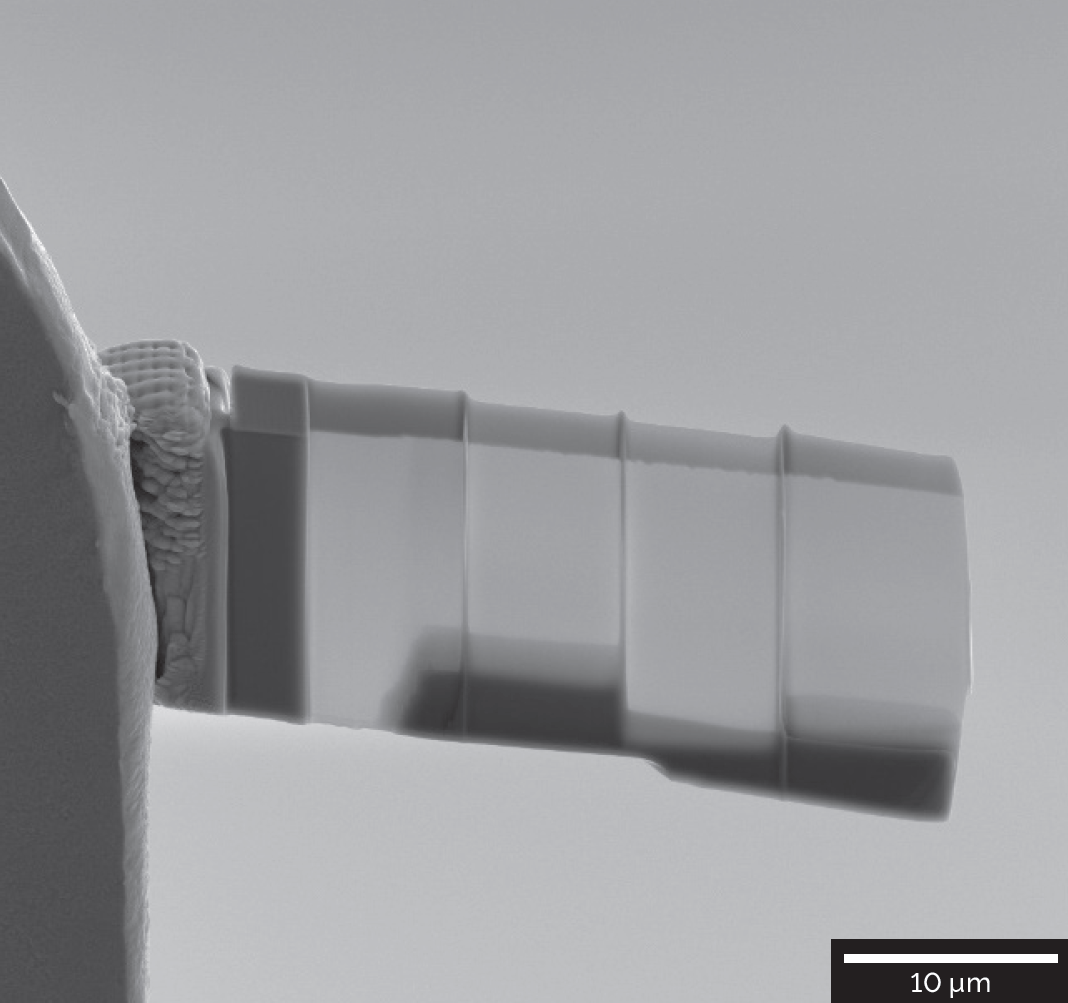
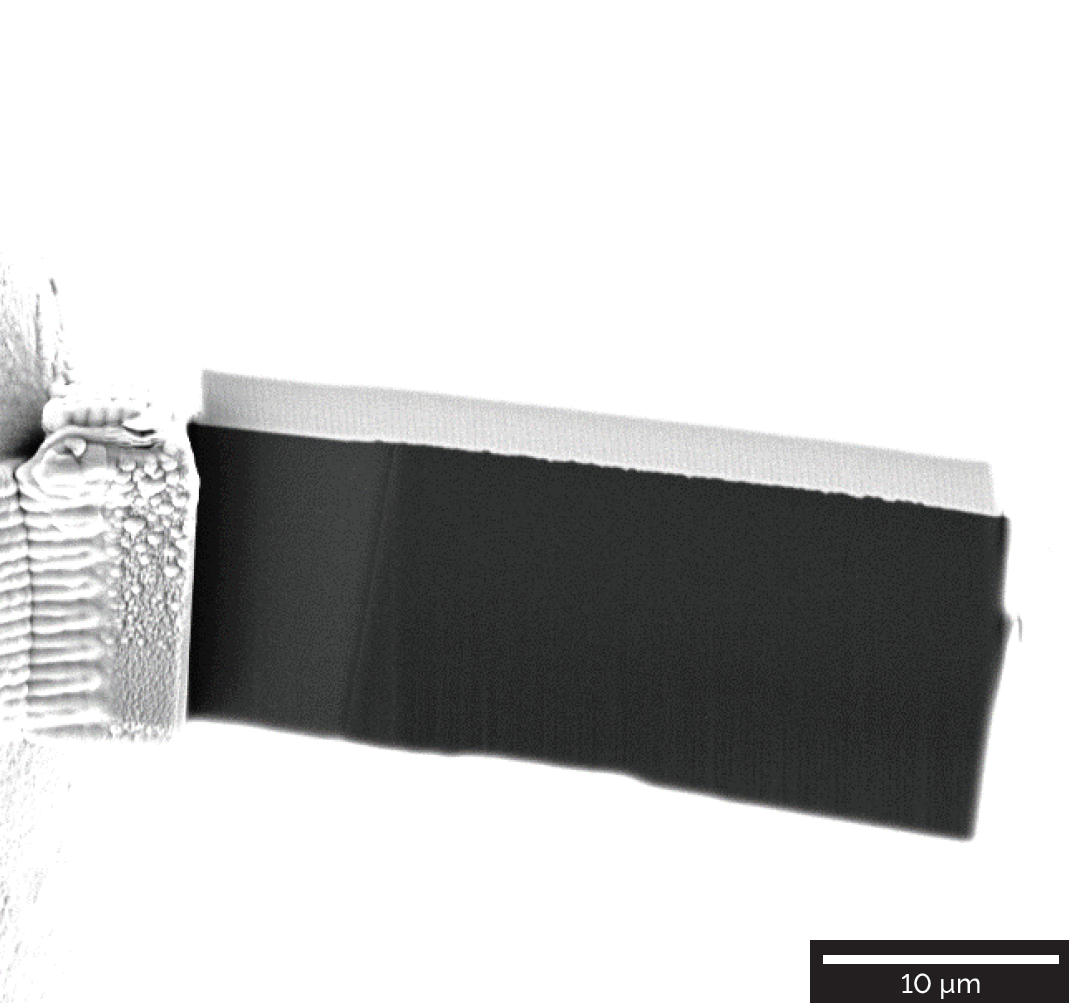
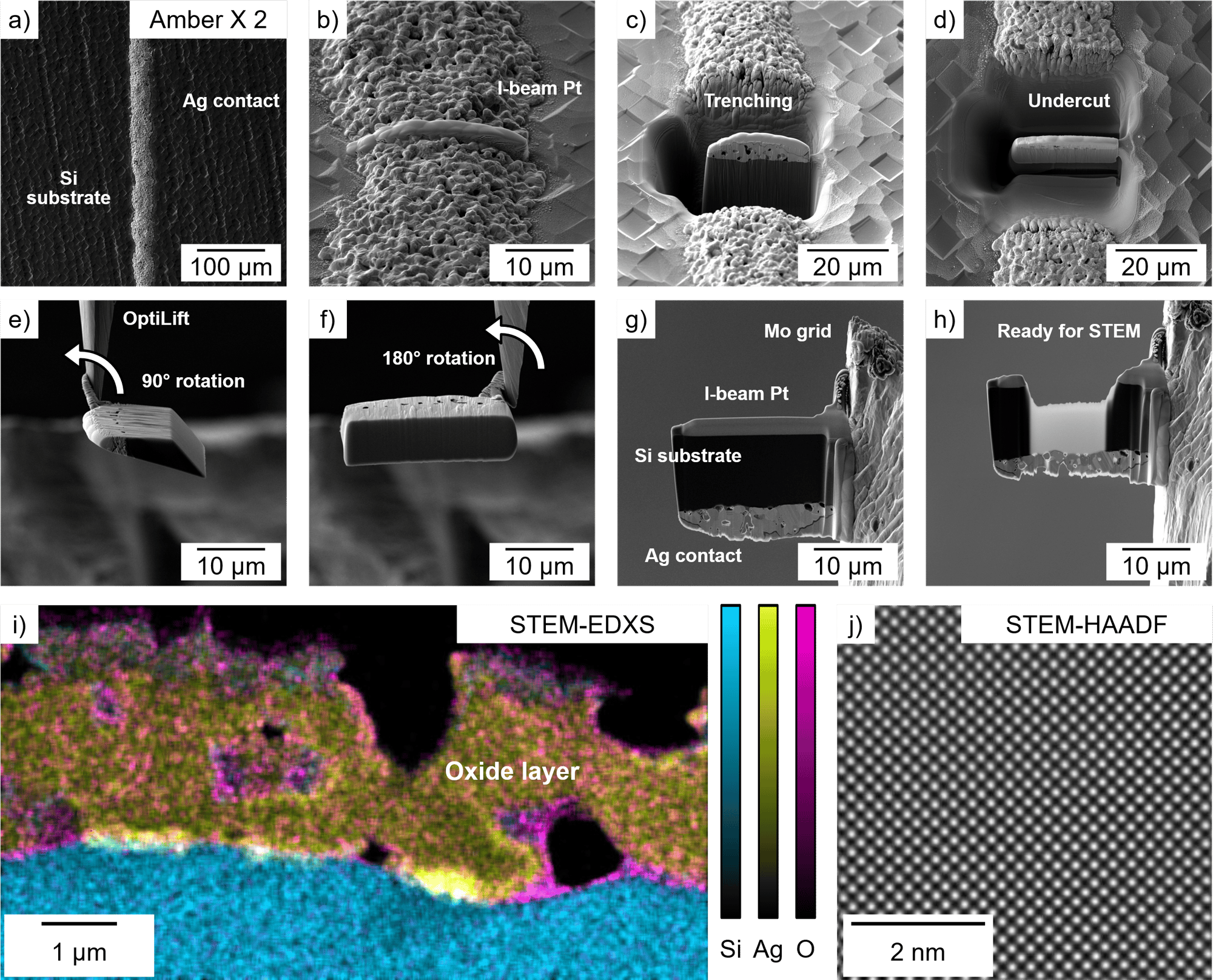
A silicon carbide (SiC) specimen was chosen to demonstrate TEM preparation from a thick, brittle layer. Using plasma FIB, a trench was milled and a 55 × 30 µm lamella was undercut before being lifted out with Tescan’s OptiLift™ nanomanipulator.

The lamella was rotated by 90° post lift-out to achieve optimal geometry for thinning. Final polishing minimized curtaining artifacts and produced a uniform, electron-transparent specimen.

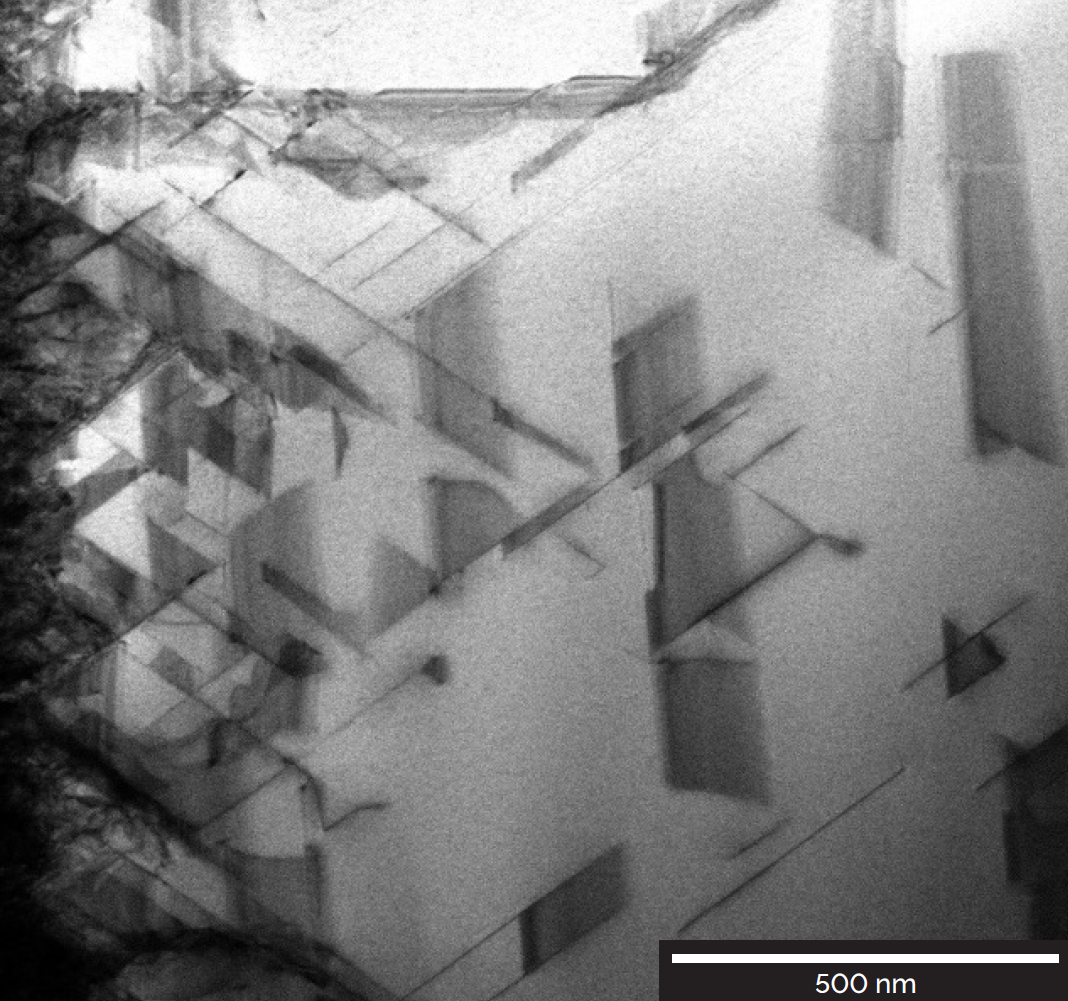
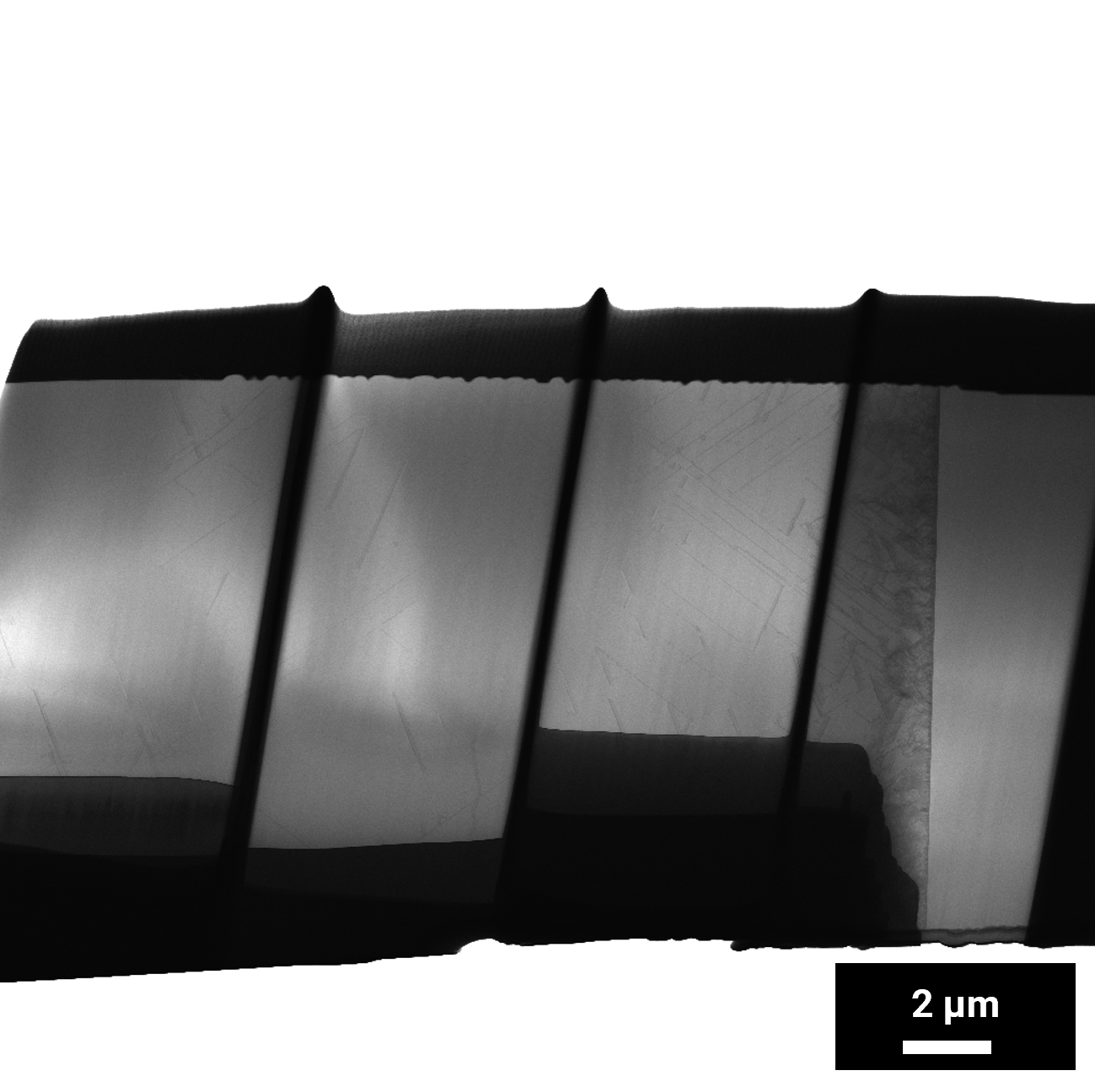
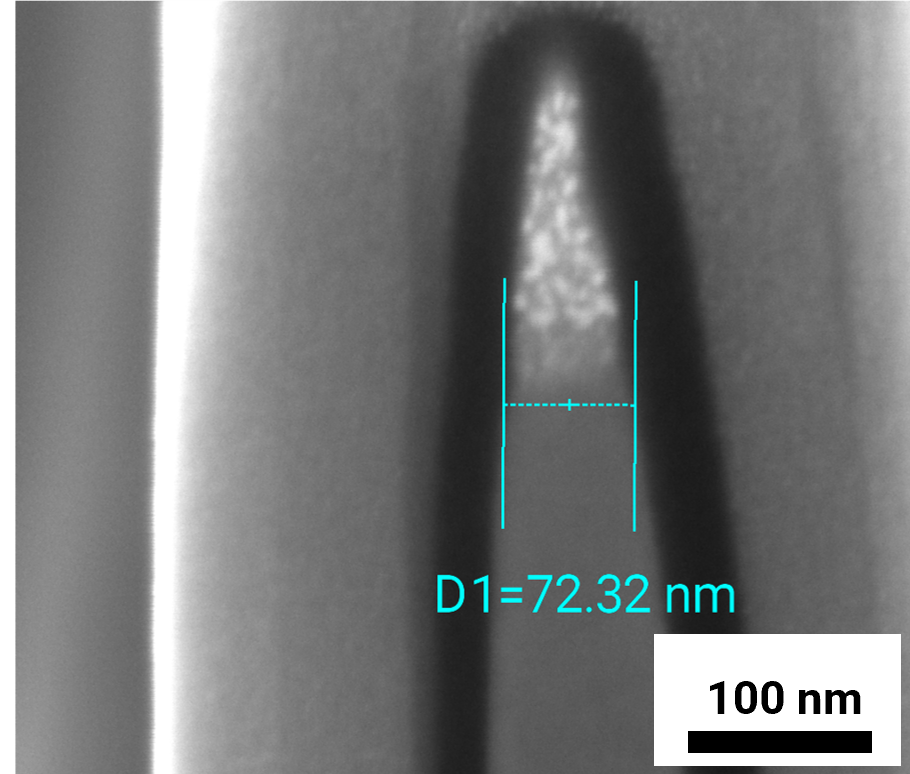
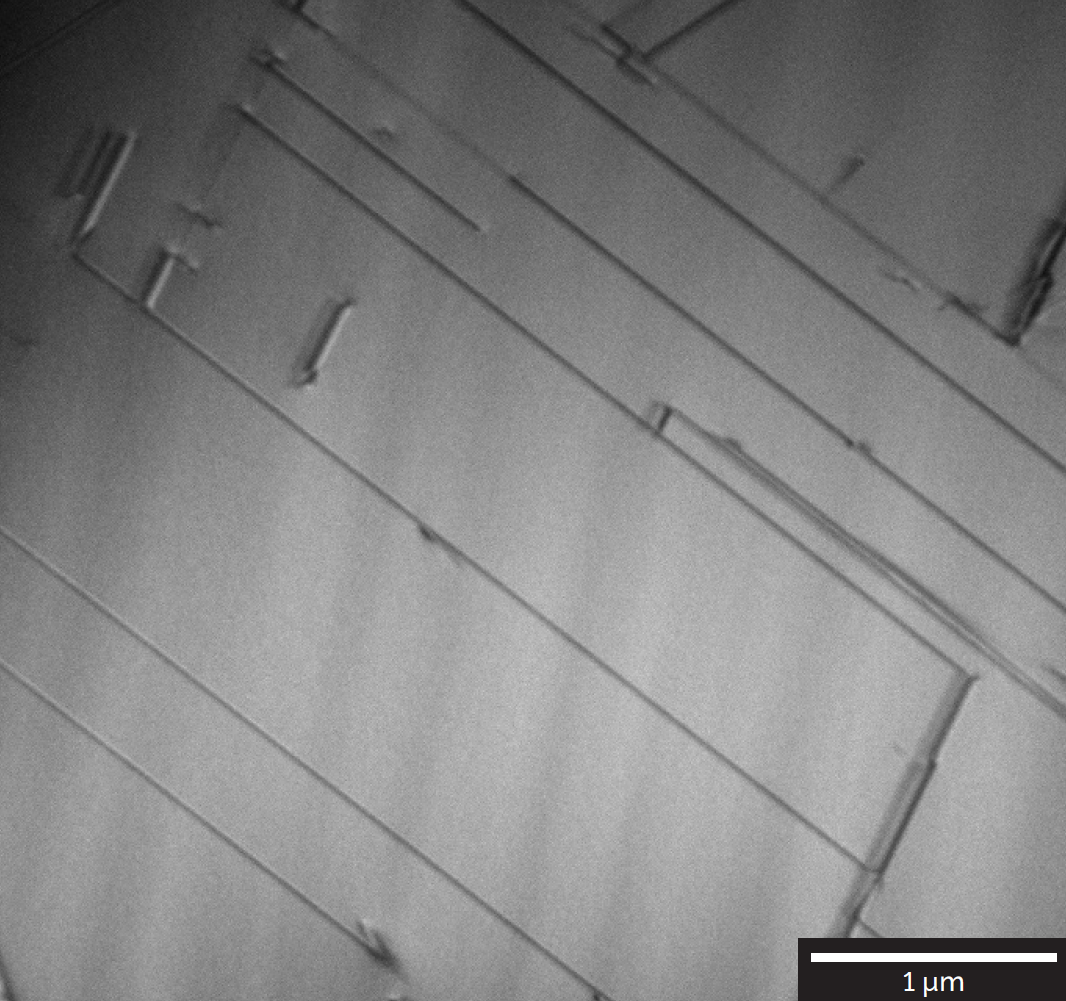
In-situ HAADF STEM imaging within the FIB-SEM revealed stacking faults and dislocations, allowing defect assessment before TEM transfer. This streamlined workflow enabled reliable preparation of large lamellae for accurate structural and defect analysis.

03
Results and Discussion

Large-Area TEM Lamellae Enable Reliable Defect Characterization in SiC

Tescan FIB-SEM with OptiLift™ enabled preparation of large, electron-transparent lamellae from a 30 µm thick SiC layer. Rotating the specimen by 90° post lift-out ensured optimal geometry for thinning, producing uniform lamellae suitable for high-resolution analysis.

In-situ HAADF STEM imaging revealed stacking faults and dislocations across the full cross-section, including at the SiC–substrate interface. Defects that typically remain hidden with conventional workflows were clearly visualized and linked to potential device reliability issues.

This integrated workflow combined precise lift-out, controlled thinning, and in-situ defect imaging in a single instrument. The result was consistent lamella quality, fewer preparation artifacts, and more complete characterization without additional tools or complex transfers.

GET IN Touch

Contact us

Get the most out of Tescan

This is more than information; it's an advantage. We've compiled our technical whitepapers, detailed product flyers, and on-demand webinars to provide you with the knowledge that makes a real difference. Sign up now to access the insights you need to make an impact.

Tescan Instruments & Technology

Used in This Workflow

Tescan OptiLift™

Tescan OptiLift™ is a unique nanomanipulator system designed for maximum flexibility during TEM lamella preparation. Its ability to operate below the ion column allows full 360° rotation and precise angle adjustment of specimens after lift-out.

  • 360° rotation: Freedom to optimize geometry for thinning and polishing

  • Below-column positioning: Greater working space and improved sample handling

  • Precise alignment: Ensures uniform lamella preparation even in large or complex specimens

  • Reliable lift-out: Enables preparation of lamellae up to 55 × 30 µm without distortion
Tescan HADF R-STEM Detector

The Tescan HADF R-STEM detector enables high-resolution scanning transmission electron microscopy (STEM) imaging directly inside the FIB-SEM. In this workflow, it was used to reveal stacking faults and dislocations prior to TEM transfer.

  • In-situ STEM imaging: Detects crystallographic defects before TEM analysis

  • High-angle annular dark field (HAADF) detection: Clear visualization of stacking faults at material interfaces

  • Bright field overview: Assessment of lamella uniformity at 30 keV

  • Streamlined workflow: Immediate feedback on lamella quality inside the FIB-SEM

GET IN Touch

Contact us

map

Where can you find us:

Tescan Brno
Libušina třída 21
623 00 Brno
Czech Republic

info@Tescan.com