

WEBINAR | Up to 40% Faster Automated TEM Lamella Preparation with new Ga⁺ FIB Column

Capture Internal Deformation in Real Time with Dynamic Micro-CT on Tescan UniTOM XL

Analyze microstructural changes, internal stresses, and failure pathways in AM structures under load using dynamic micro-CT with no mechanical interruption.

hero
hero
Unlocked content

Analyze Structural Evolution in 3D Printed Parts Under Load with Dynamic micro-CT Imaging

Additive manufactured parts often contain internal defects like porosity or microcracks that evolve under mechanical stress. Traditional testing, especially destructive sectioning, only reveals the before and after, missing how failure actually unfolds. Even paused in-situ scans risk losing key transitions.

Tescan UniTOM XL delivers a dynamic, non-destructive workflow for studying AM parts under load. Track deformation, monitor crack growth, and capture internal structural changes in real time with high-resolution, time-lapse 3D imaging.

Why Evaluate Additive Manufacturing Performance

with Tescan UniTOM XL?

01
Root of the Problem

Why Conventional Testing Misses Critical Failure Behavior in AM Parts

Understanding how additive manufactured parts perform under load requires visibility into evolving internal structures. Porosity, unfused powder, and crack initiation are key factors in failure development. But traditional methods struggle to capture them in context.

Destructive sectioning alters geometry, while interrupted in-situ imaging breaks continuity and misses early, critical transitions.

Tescan UniTOM XL provides a dynamic, non-destructive workflow for performance evaluation of AM components. Structural changes are captured continuously during mechanical loading, revealing real-time deformation, crack growth, and internal strain without damaging or interrupting the part.

  • Real-time 3D imaging during in-situ compression or tensile testing
  • Continuous tracking of deformation, displacement, and defect evolution
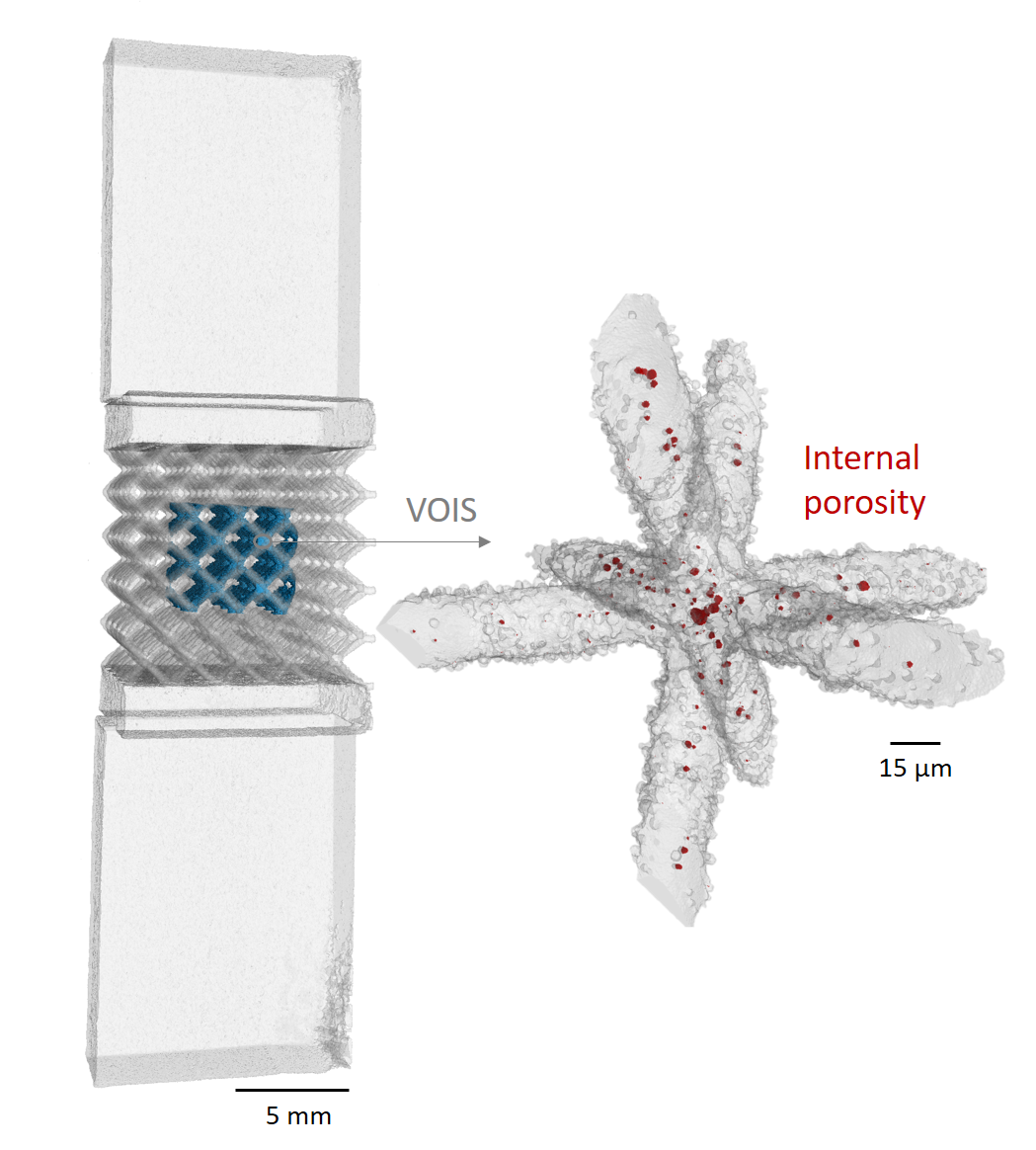
  • Volume of Interest (VOI) targeting for high-resolution analysis
  • Non-destructive testing with complete structural preservation
  • Quantitative strain and displacement measurements across full volumes
  • Scalable for polymers, metals, and complex lattice structures

Evaluate how 3D printed parts respond under load using Tescan UniTOM XL, without compromising structure or skipping critical failure events. 

02
Materials and Methods

How AM Part Performance Was Evaluated Using Tescan UniTOM XL

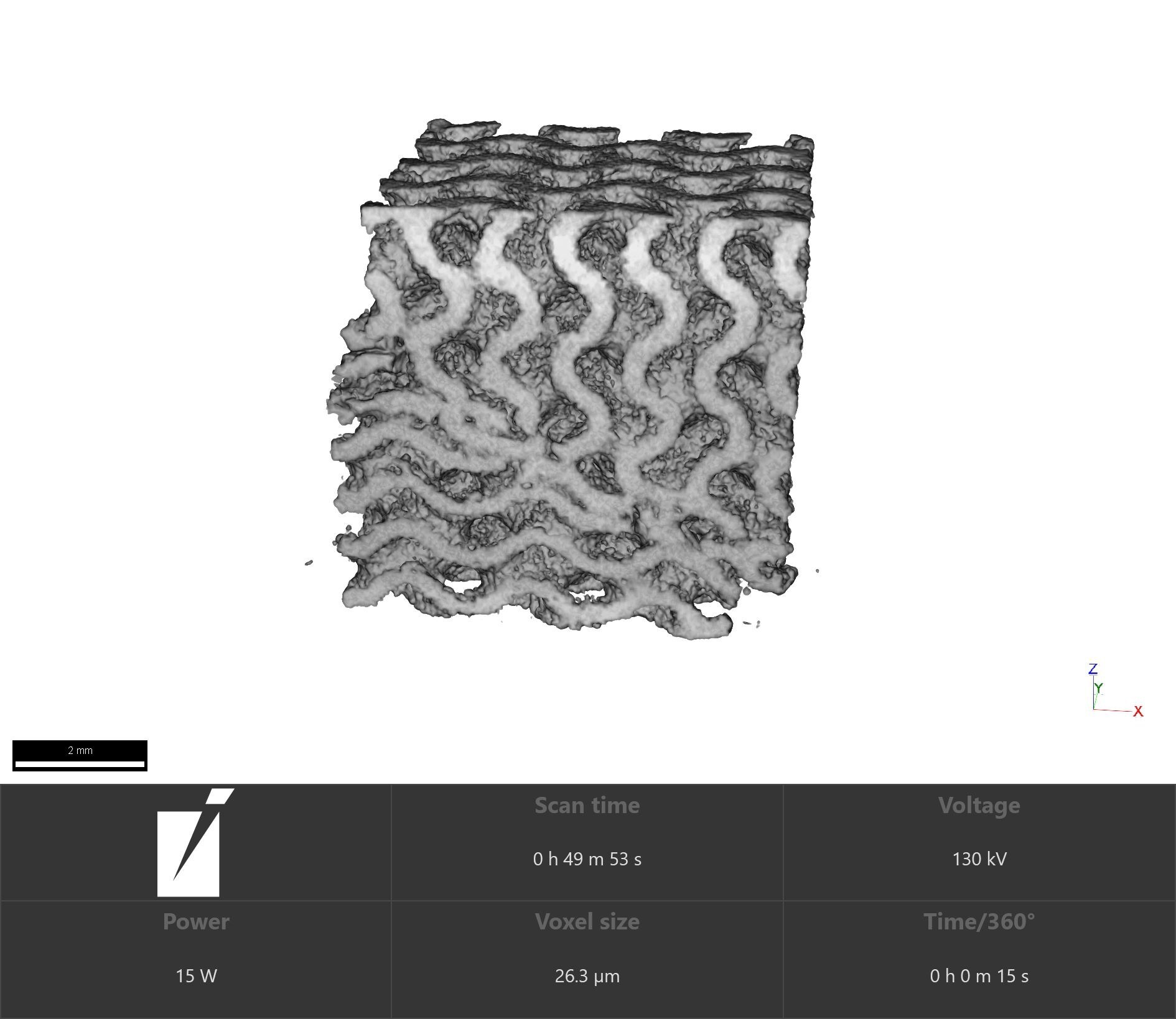
Additive manufactured parts were scanned in their original, unsectioned state with no physical modification required. Samples, including 3D printed metals and magnesium alloys, were mounted in in-situ load cells on the Tescan UniTOM XL.

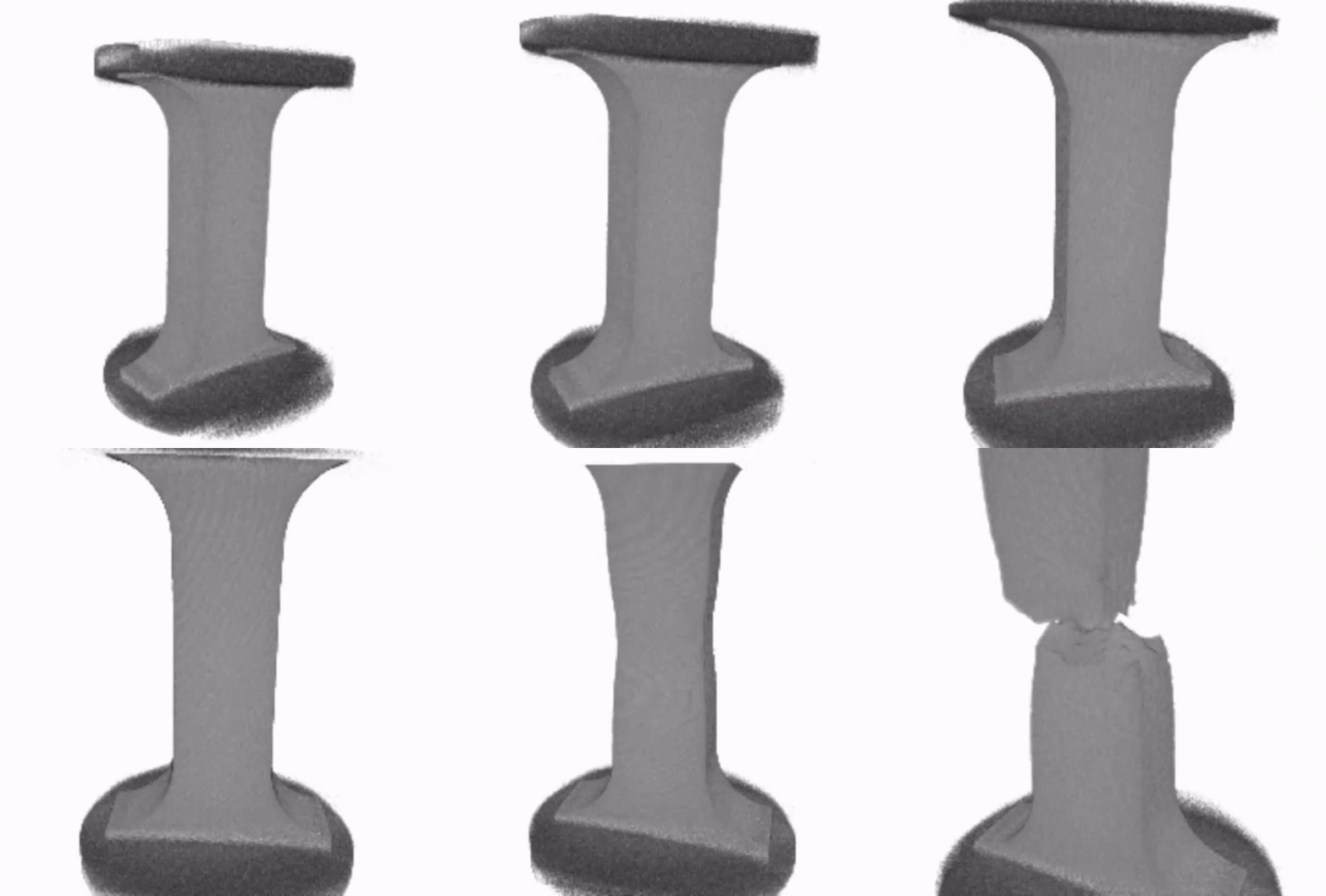
Mechanical loading and CT acquisition were synchronized through automated protocols, allowing continuous imaging during tensile or compression testing. Time-resolved datasets were captured at intervals as short as 15 seconds to track deformation, defect evolution, and internal displacement.

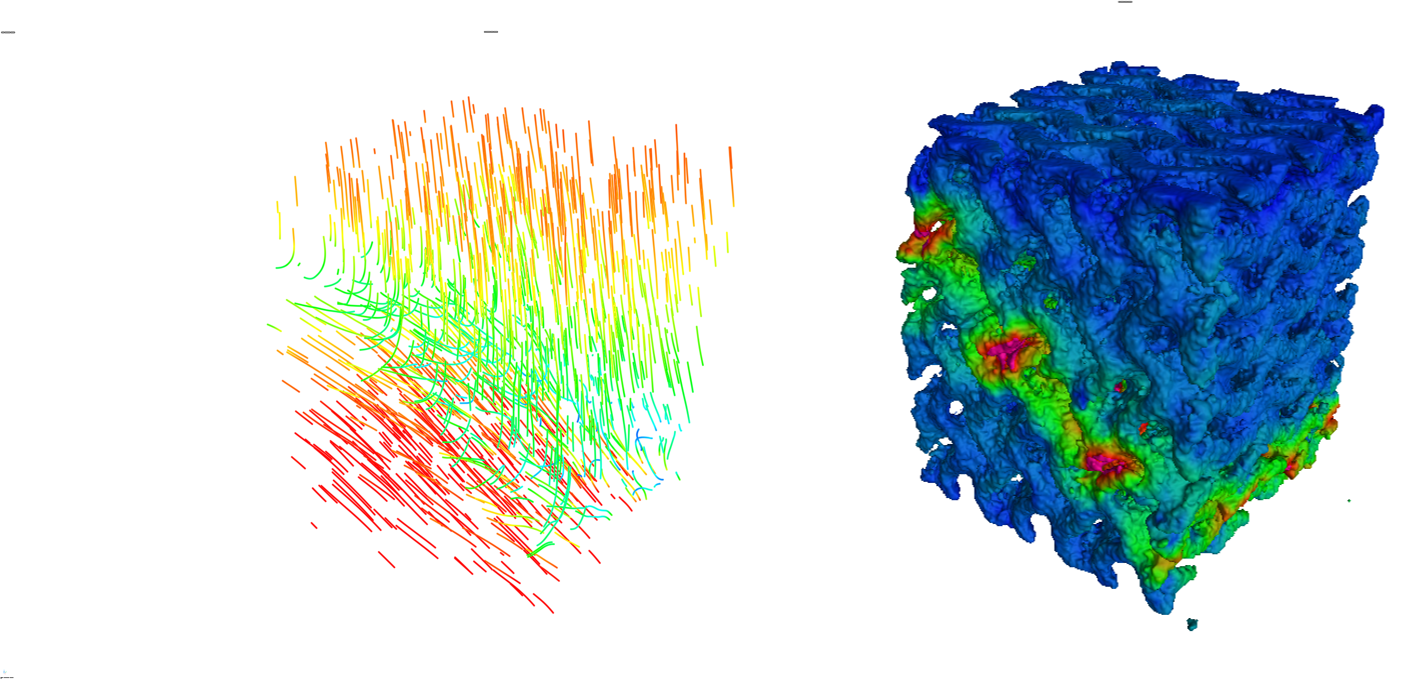
3D reconstruction and analysis were performed using Tescan’s volumetric imaging software Panthera. Researchers visualized structural changes in real time, without interrupting the test or compromising part integrity.

With this setup, mechanical performance can be assessed reliably across complex structures and materials, from lattices to solid metal parts.

03
Results and Discussion

Real-Time Visualization of Internal Failure in AM Parts

Tescan UniTOM XL enabled researchers to capture high-resolution 3D datasets from intact AM parts during live mechanical loading. Non-destructive imaging combined with synchronized in-situ testing protocols revealed structural changes as they occurred. This was done without interrupting the test or altering part geometry.

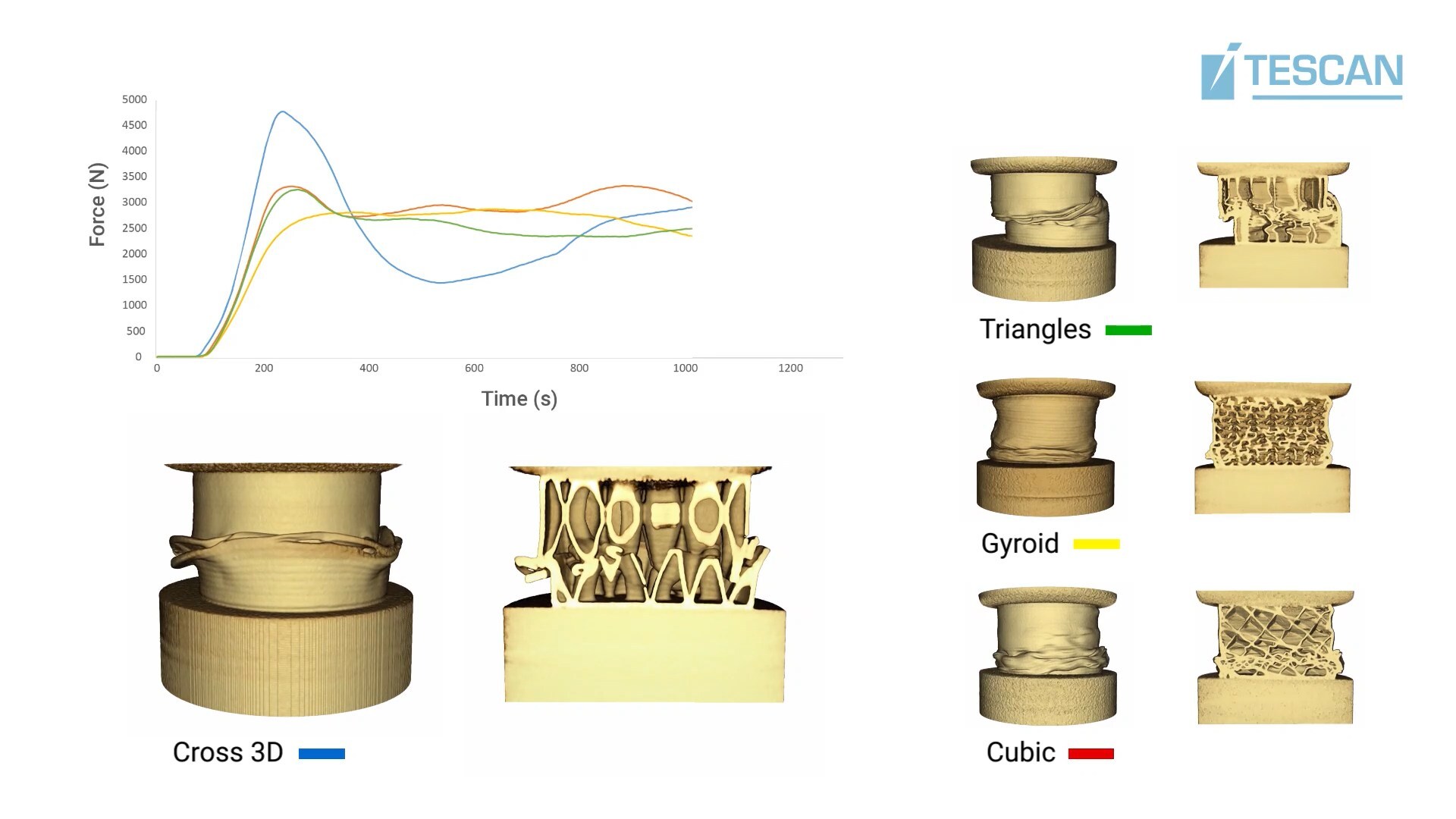
Crack formation, pore expansion, and internal displacement were visualized across the entire part volume. These changes were clearly observed even in complex lattice structures and variable infill patterns, where small geometric shifts influence performance.

Continuous micro-CT provided dynamic imaging throughout the load cycle, offering detailed insight into how internal features react to mechanical stress.

Consistent, high-fidelity data across AM materials and designs gave researchers the clarity needed for a deeper understanding of failure behavior. This opened the door to improved predictions of material response and confirmation of links between microstructure and mechanical performance.

GET IN Touch

Contact us

Get the most out of Tescan

This is more than information; it's an advantage. We've compiled our technical whitepapers, detailed product flyers, and on-demand webinars to provide you with the knowledge that makes a real difference. Sign up now to access the insights you need to make an impact.

Tescan Instruments & Technology

Used in This Workflow

Tescan UniTOM XL

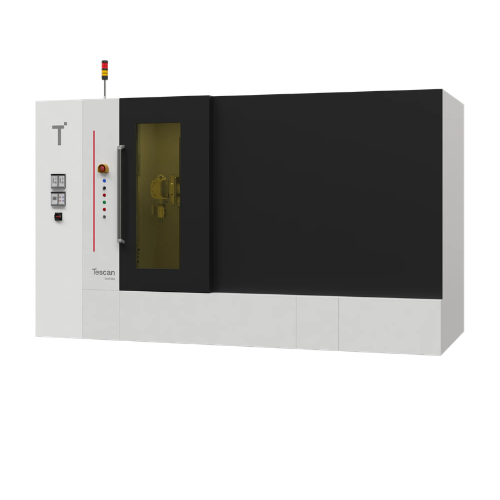
Tescan UniTOM XL integrates in-situ mechanical testing with high-resolution micro-CT to capture internal structural changes as they unfold inside additive manufactured parts.

Real-time imaging reveals how cracks initiate, pores expand, and material deforms under load. All of this is achieved without interrupting the test or altering the sample.

  • In-situ mechanical integration: enables synchronized compression or tensile testing during scanning

  • Dynamic micro-CT: tracks structural evolution with temporal resolution in as fast as 15 seconds

  • Non-destructive acquisition: preserves geometry and microstructure for continuous observation

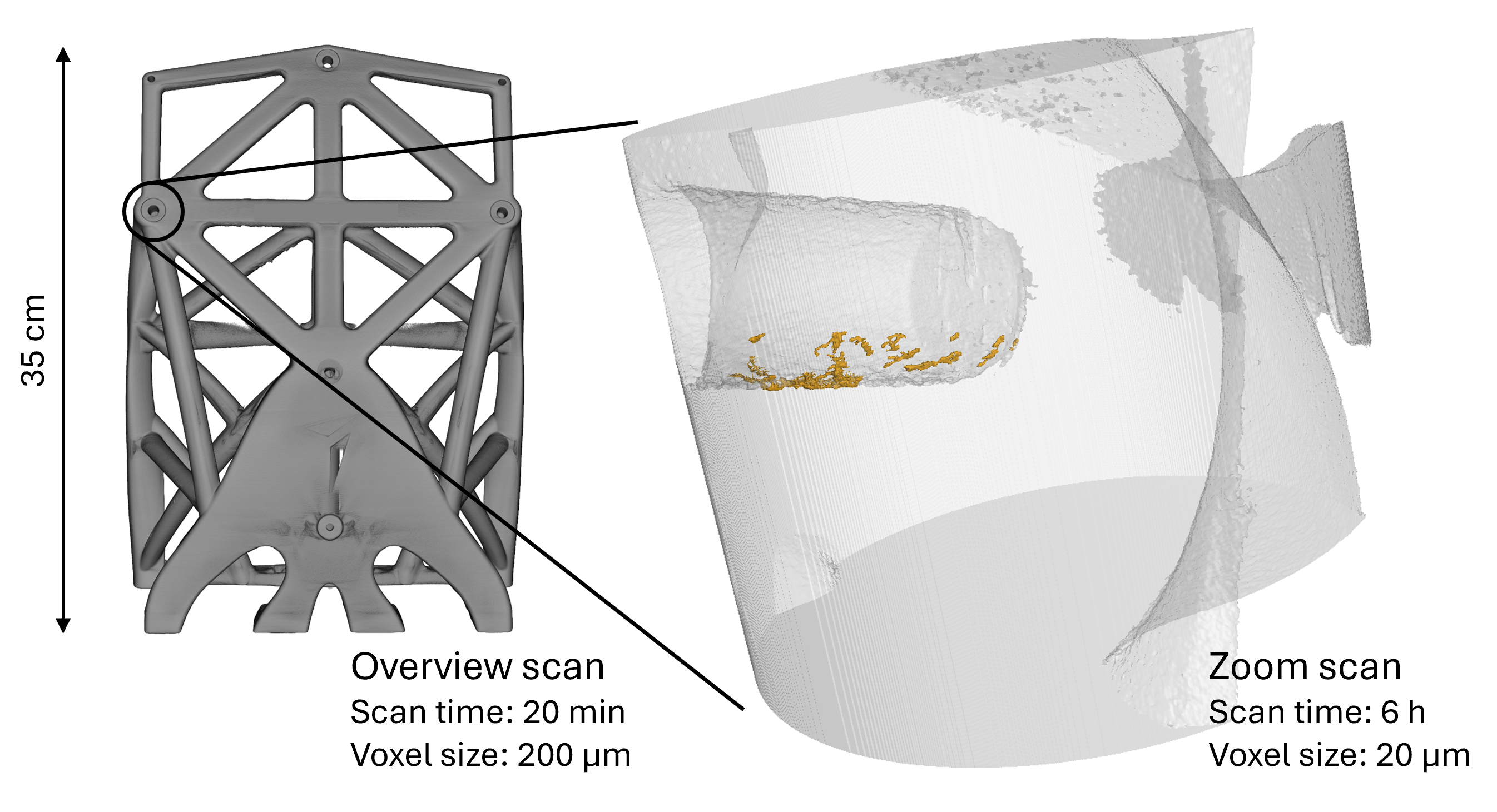
  • Volume of Interest (VOI) scanning: combines overview imaging with high-resolution targeting

  • Multi-scale resolution options: support full-part context and localized defect analysis

  • Quantitative 3D analysis tools: measure strain, displacement, and internal failure pathways over time
MICRO_UniTOM_XL_1-2

GET IN Touch

Contact us

map

Where can you find us:

Tescan Brno
Libušina třída 21
623 00 Brno
Czech Republic

info@Tescan.com