
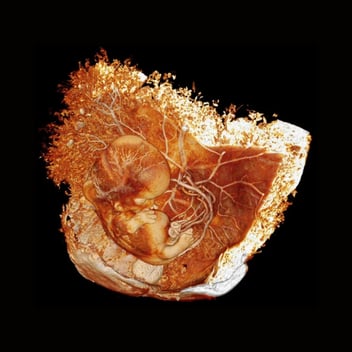
How Micro-CT Imaging Is Revolutionizing the Study of Early Human Development
We are revisiting an exclusive interview from 2024 with Dr. Bernadette de Bakker, MD PhD, whose pioneering work in micro-CT imaging has been transforming the study of early human development and prenatal care. By using high-resolution, non-destructive micro-CT imaging, Dr. de Bakker creates detailed 3D models of human embryos and fetuses, offering unprecedented insight into fetal anatomy and developmental processes.
Her research demonstrates how advanced X-ray micro-CT technology can bridge the gap between traditional histology and modern 3D imaging workflows, opening new possibilities in embryology, pathology, and prenatal diagnostics.
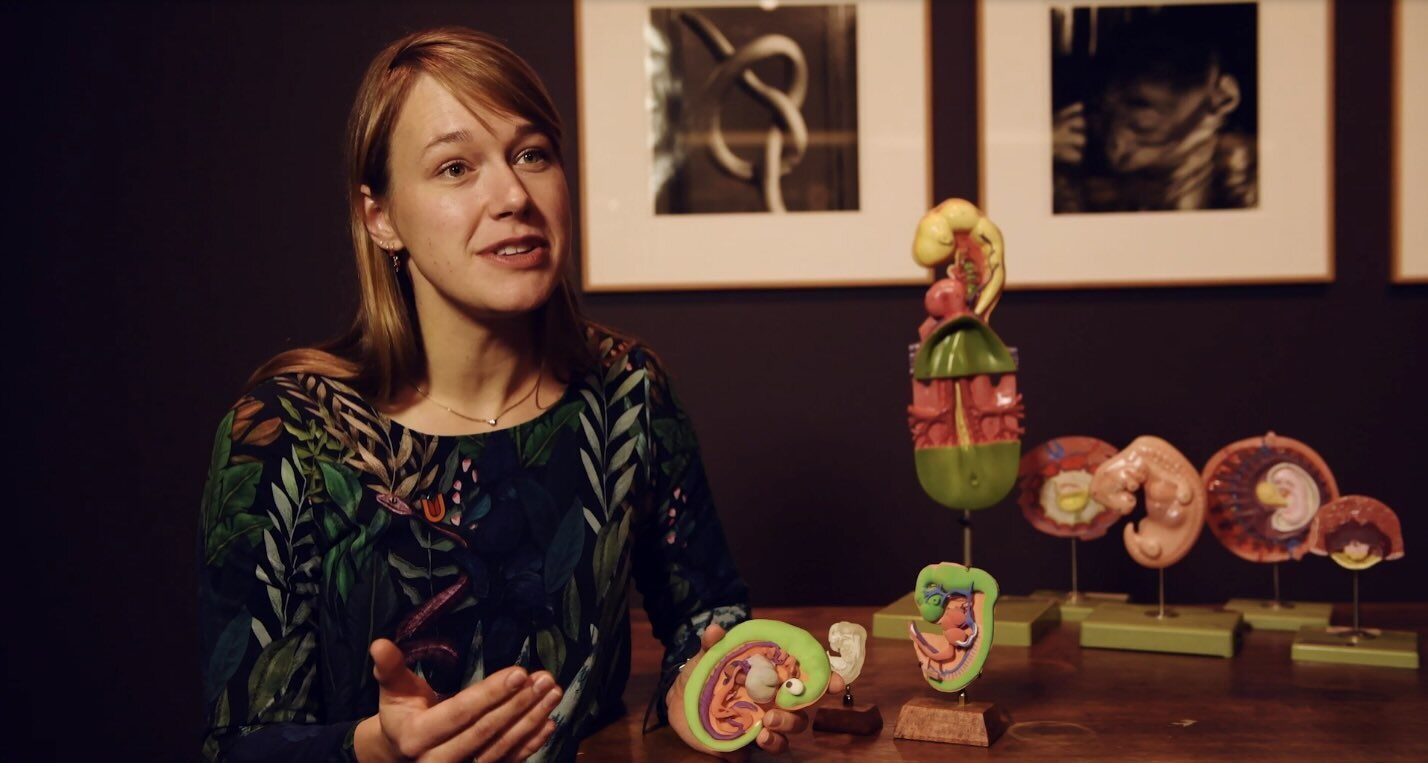
Bernadette’s Bio
Dr. Bernadette de Bakker is an MD, PhD, Assistant Professor at Amsterdam Reproduction & Development (AR&D), and an Assistant Professor of Obstetrics and Gynecology. She specializes in human embryology, fetal anatomy, 3D ultrasound, and post-mortem imaging, and is the founder of the Dutch Fetal Biobank.
In her work, Dr. de Bakker leverages micro-CT imaging to generate high-resolution 3D reconstructions of embryonic and fetal specimens. Her research supports earlier detection of abnormalities, improved surgical understanding, and a deeper scientific view of early human development.
Full Interview
Dr. de Bakker, can you tell us a little about what your research entails?
During my PhD studies, I developed a 3D atlas of human embryology, focusing on embryos up to 10 weeks of gestation. Traditionally, this work relied on histology - the microscopic study of tissue structure - to generate 3D models. However, histological methods are laborious and destructive.
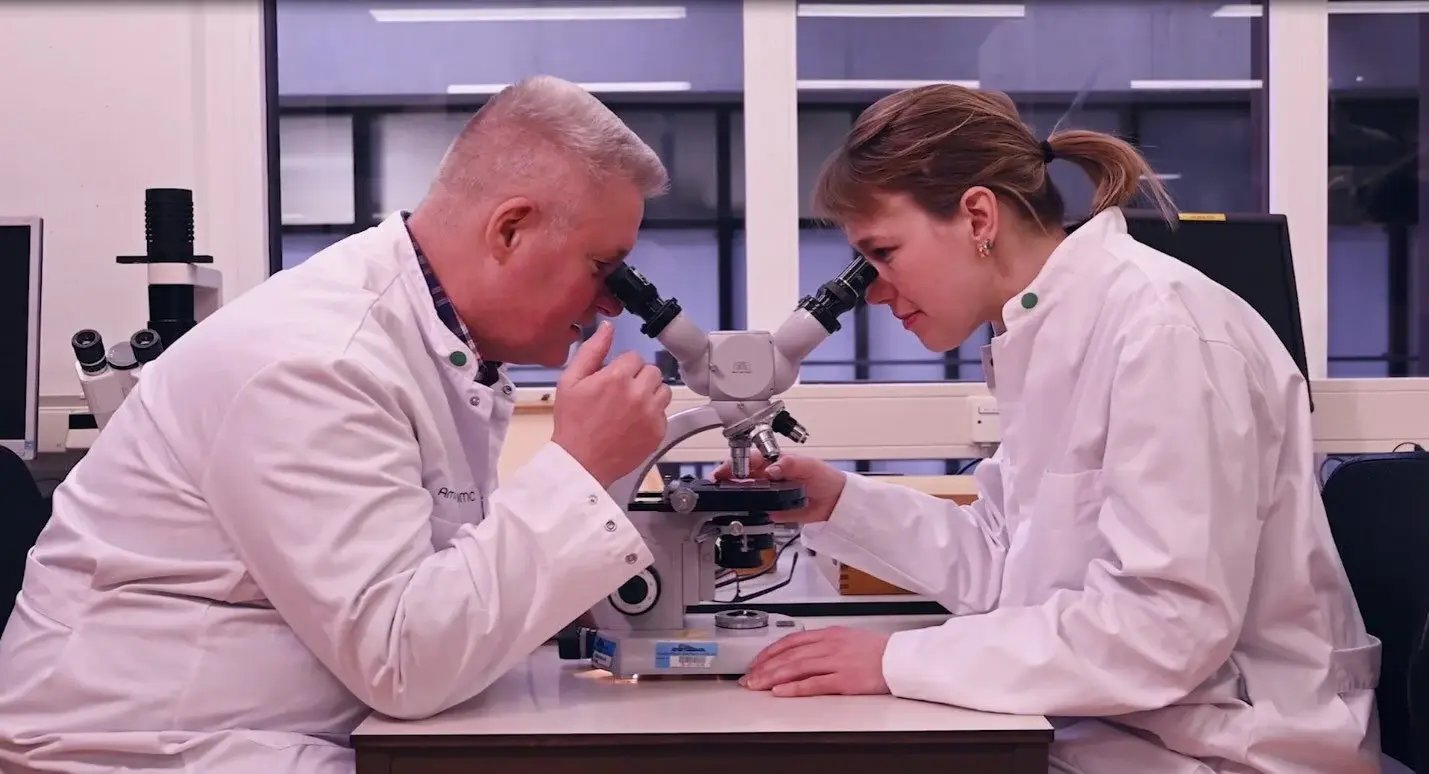
This led me to explore micro-CT imaging as an alternative. Today, we use micro-CT not only for embryological studies but also for surgical samples. The ability to obtain detailed, non-destructive 3D reconstructions significantly enhances our understanding of anatomical structures.
How Has Using Micro-CT Elevated Your Projects?
We’re setting a new standard in anatomical imaging by using micro-CT. Initially, I thought MRI scans would be beneficial, and we did try them. However, I must say I’m very pleased with the results from micro-CT. The use of iodine staining significantly reduces scanning time while providing high-detail images, which led us to continue with micro-CT imaging instead of MRI. Our micro-CT images greatly enhance our understanding of anatomy. We start with a 3D ultrasound scan, followed by a blank CT scan without contrast, and then a micro-CT scan with iodine contrast. This allows us to compare 3D ultrasound with micro-CT, as the anatomy is perfectly visible on micro-CT but challenging on a 3D ultrasound. We’re developing a system where AI uses micro-CT to teach which segmentations should be applied to the 3D ultrasound. Ultimately, I aim to create a system where sonographers can receive red flags during fetal ultrasound screenings if an organ appears abnormal.
How does the non-destructive nature of micro-CT enhance your work?
The non-destructive nature of micro-CT is incredibly beneficial, especially given the sensitive nature of the tissues I work with, such as embryos and fetuses. It’s ethically sensitive work. People donate their most precious gift, their own child, to science. We must handle these fetuses and embryos with the utmost care and respect. I’m very grateful that micro-CT allows us to keep them intact. Micro-CT reveals the complete anatomy at a micrometer resolution. It’s truly amazing that we can use this technique.
Who would you say benefits most from your groundbreaking explorations?
As a medical doctor, I chose not to see patients one-on-one but to focus on research. This way, my work can benefit a larger group of patients. Ultimately, I hope my research will help patients directly. The immediate beneficiaries include midwives, gynecologists, obstetricians, and other specialists like radiologists and pathologists. I expect that within the next 5 to 10 years, Micro-CT will become increasingly important for clinical purposes.
Can you explain how micro-CT imaging has transformed the study of human embryonic and fetal development?
Certainly. Historically, embryonic development was studied using histological sections, a method that dates back over 150 years. However, this approach is very laborious and destructive to the embryos. Also, histological sections often have alignment issues and artifacts due to the stretching of the tissue. Micro-CT imaging, on the other hand, doesn't have these problems, the 3D data set is perfectly aligned. All the sections, or slices, are of the same size. The real benefit of micro-CT imaging is its ability to scan larger samples like a human embryo within fetal membranes with isotropic resolution. The large field of view allows us to study ectopic pregnancies in the fallopian tube without disturbing the embryo.
In the past, embryos had to be dissected from their surroundings to be studied at high resolution. Now, we can examine the embryo within its natural environment, including the placenta and umbilical cord. This enables us to observe how the bloodstream flows towards the embryo and how the primitive placenta and embryo are connected and grow together. Another important advantage is that we are now able to study much larger fetuses at microscopic resolution, which was not possible with histology. This high-resolution imaging allows us to study fetuses up to 20 or 30 centimeters in size, providing detailed insights that were previously not possible.
Have advancements in micro-CT imaging sparked any breakthrough treatments or developments?
Yeah, we’re currently working on a very important project for children born with an anorectal malformation. These children cannot pass stool when they are born, which requires surgery. Pediatric surgeons typically remove a fistula, an abnormal part of the gut, which was always thought to have no function and thus discarded.
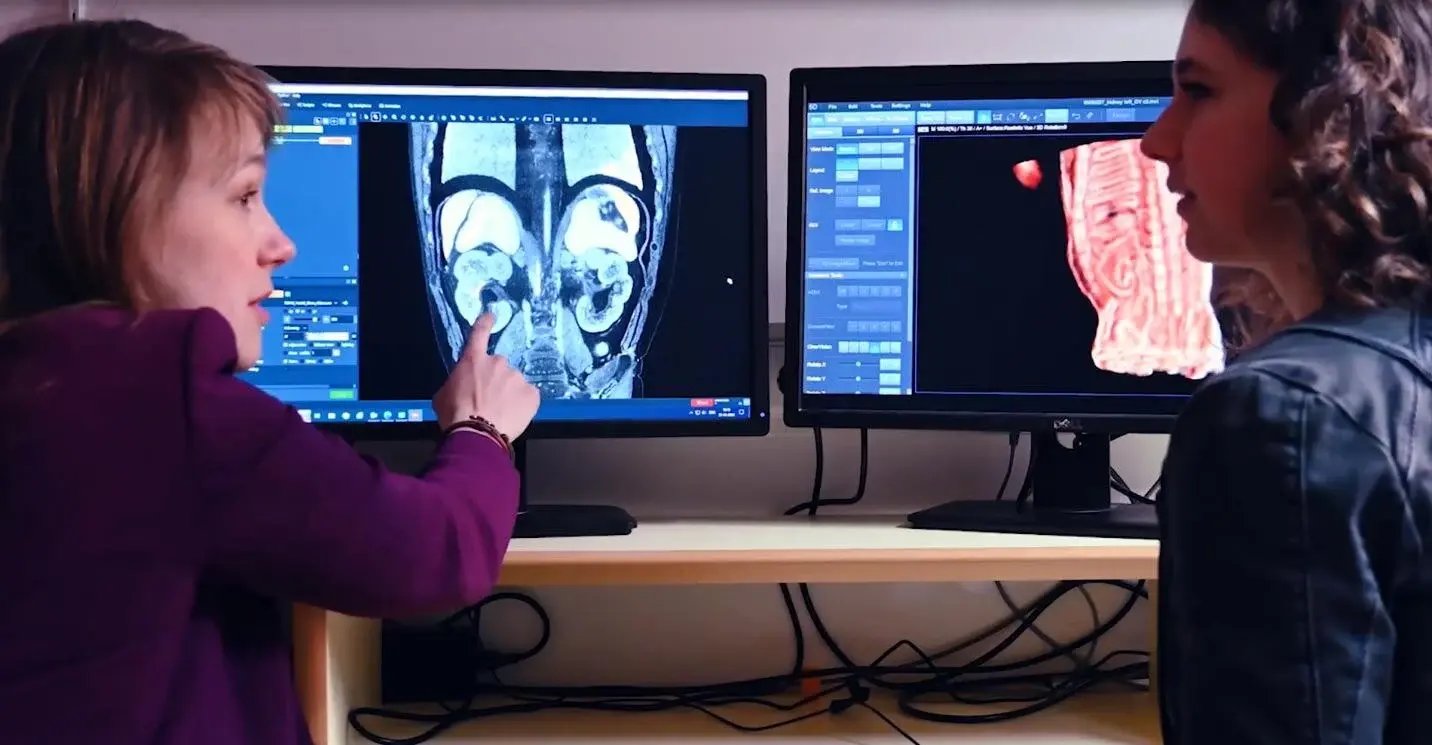
However, recent research using micro-CT scanning has revealed that these fistulas contain muscles and innervation similar to those around a normal anus. This preliminary discovery has led pediatric surgeons to change their approach, and now they use the fistula to reconstruct the anus with the muscles already present. This is a significant advancement, and although not yet published, it has been submitted to a high-impact journal in gastroenterology.
Do you have any additional insights you'd like to share, or can you tell us about any exciting plans for future projects?
Well, we are currently in the process of developing this automatic technique that allows us to create a 3D scan of a fetus using 3D ultrasound. This method is non-invasive and doesn’t involve X-rays. We’re using micro-CT images to develop software that can automatically detect abnormalities during pregnancy. This means we can identify issues with the heart, kidneys, or lungs earlier in pregnancy, for example.
Currently, with the existing scanning techniques, sonographers miss about half of the heart malformations during normal pregnancies. We need to do better. If we can scan more effectively, it allows parents to consider their options, such as treatments, fetal surgery, or possibly termination of the pregnancy. Additionally, it ensures that the fetus or child can be born in a high-care center if needed. I expect that the first results will be published next year.
One of my main goals for the next few years is to use micro-CT to study embryos and fetuses lost due to miscarriages. Currently, these embryos and fetuses are often discarded without a detailed examination. By establishing an imaging facility, we can use micro-CT to screen for genetic and anatomical abnormalities, providing valuable insights for parents and healthcare providers and an amazing resource of data for developmental research.
Future Directions in Micro-CT Imaging
We are developing automated systems that combine micro-CT imaging with artificial intelligence to improve prenatal diagnostics. By integrating micro-CT datasets with ultrasound, we aim to create tools that help identify abnormalities earlier in pregnancy.
Currently, sonographers miss a significant percentage of congenital heart malformations during routine screening. Improved imaging and data integration could allow earlier detection and better-informed treatment decisions.
Another long-term goal is to use micro-CT to study embryos and fetuses lost due to miscarriage. Establishing a dedicated imaging facility would allow genetic and anatomical screening, offering valuable insights for parents and healthcare providers while expanding developmental research data.


New product releases, application insights, and event updates.
Delivered as a quarterly newsletter with product news, insights, and events.