You’re losing metal… but you can’t point to why
Recovery drops but nothing clearly explains it

Automated mineralogy that links mineral texture, composition, and behavior to deliver measurable recovery gains
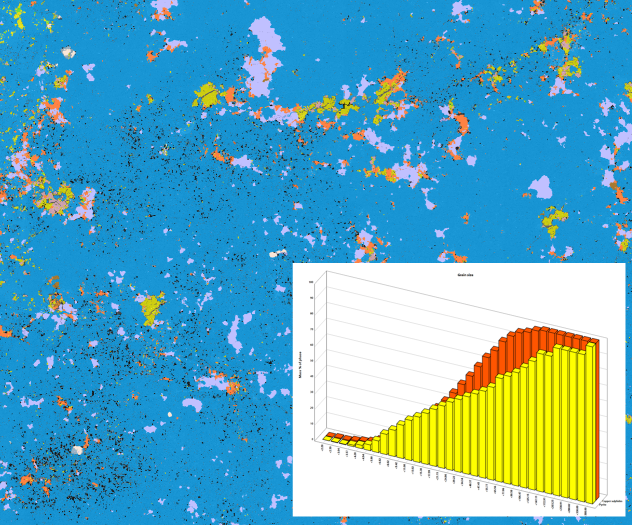
Recovery drops but nothing clearly explains it

You tweak grind or reagents, hoping it works

One day the feed runs fine, the next day it doesn't, and it's not clear what
changed
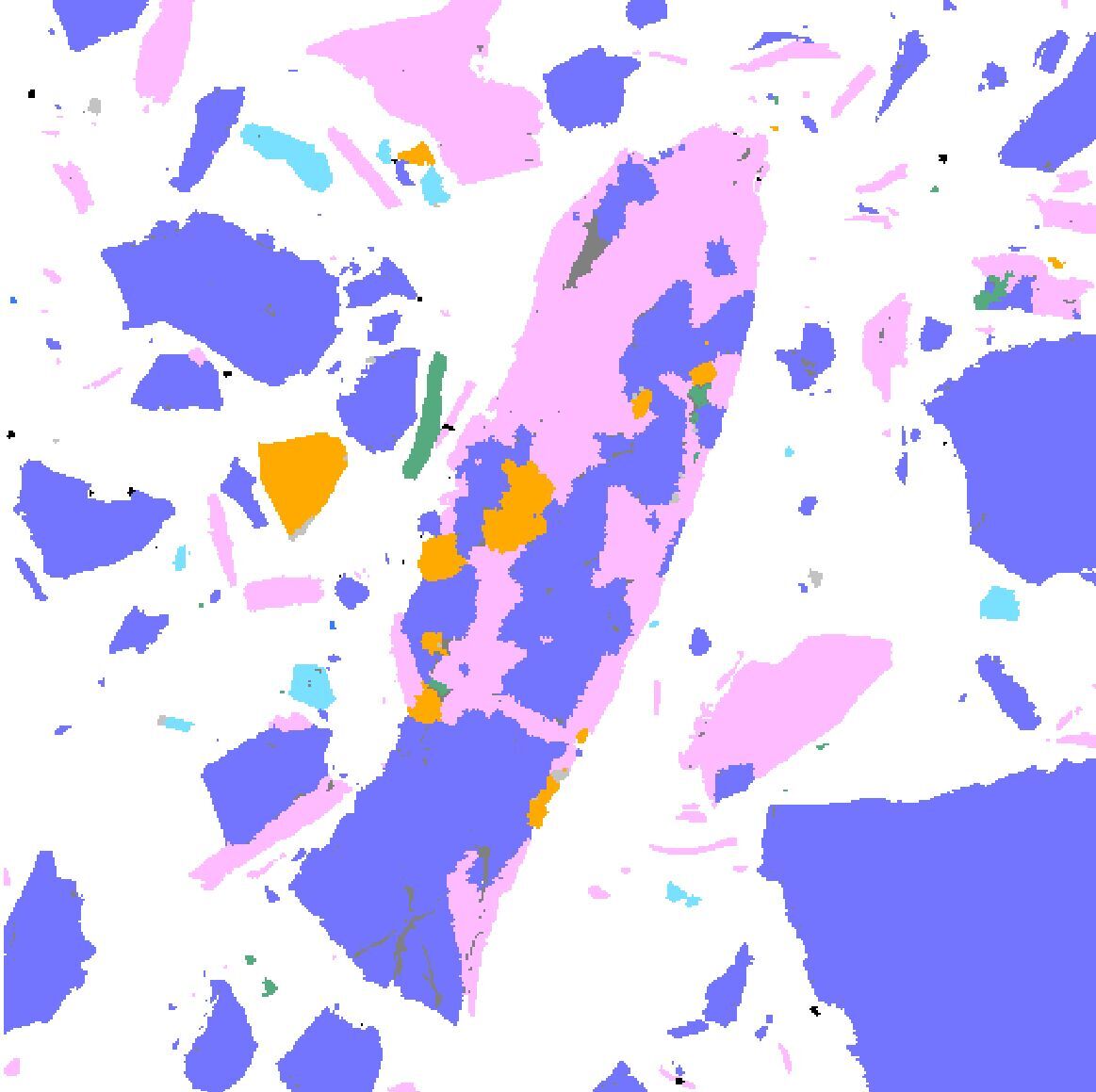
Automated particle-by-particle analysis that shows which minerals host your metal and how they’re locked
What it changes
You stop guessing whether losses come from poor liberation, wrong mineral targeting, or unexpected phases
Impact
In practice
Instead of chasing recovery issues for weeks, you see in one dataset where the metal is going
What makes it possible
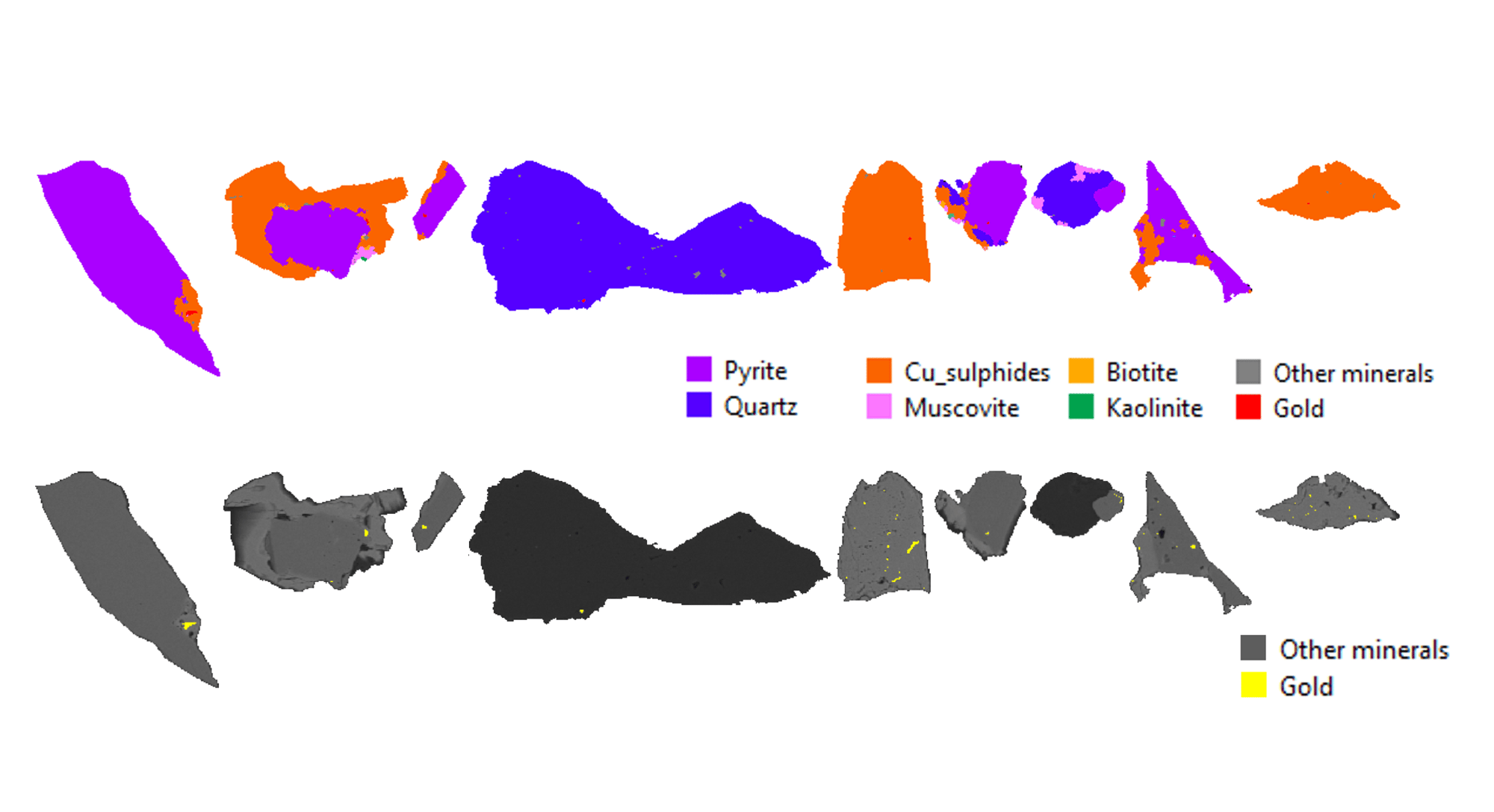
Measuring real mineral grain size versus bulk particle size, backed by automated liberation analysis.
What it changes
You stop overgrinding “just to be safe” or undergrinding and losing recovery
Impact
In practice
Instead of slow, trial-and-error testing, optimize your grind size based on actual mineral liberation data.
What makes it possible
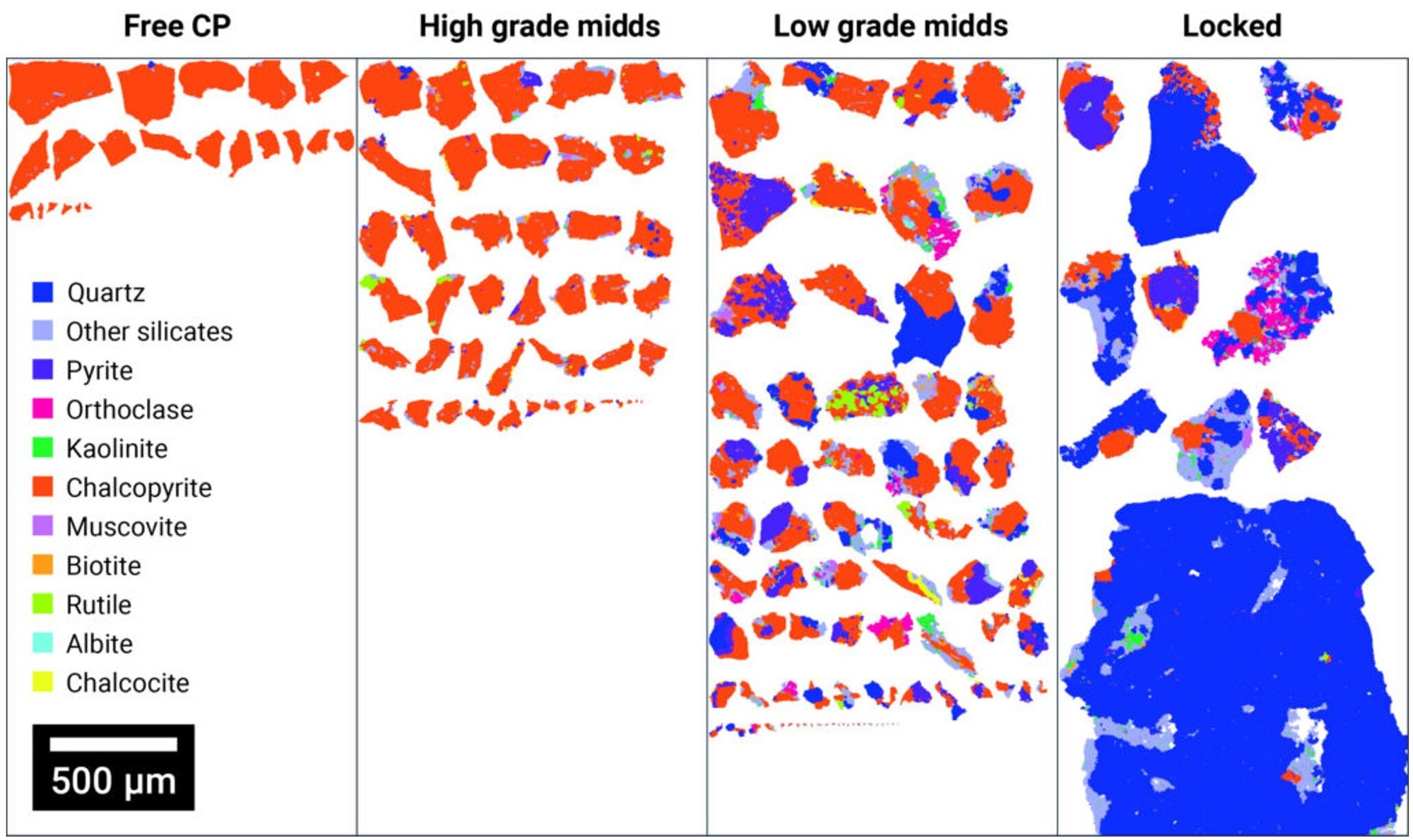
High-throughput, reproducible mineralogical datasets across all ore types
What it changes
You stop reacting to variability and start anticipating it
Impact
In practice
Instead of guessing why an ore behaves differently, you know exactly what changed.
You work directly with experienced mineralogists who stay involved, help your team ramp up, and make sure the system delivers real results over time.
“We don’t just install a system and walk away. We work with users until they get the answers they need from their data. ”


Contextual advertising can be profitable. It can either pay for your hosting and maintenance costs for you website or it can pay for a lot more.
.webp?width=400&height=308&name=image%20(2).webp)
Contextual advertising can be profitable. It can either pay for your hosting and maintenance costs for you website or it can pay for a lot more.
.png?width=1024&height=768&name=TIMA%20webinar%20(1).png)
Discover how integrating geological, mineralogical, and metallurgical data improves resource modeling, reduces risk, and drives more efficient, sustainable, and profitable mining operations.